
Paycheck Overpayment Checklist: Protect Your Budget While You Verify It
A paycheck larger than expected? Check the pay statement, keep the unexplained amount separate, ask payroll specific questions, and plan for a possible correction.
Topic
28 guides to help you understand the essentials and make a more confident next move.
A paycheck larger than expected? Check the pay statement, keep the unexplained amount separate, ask payroll specific questions, and plan for a possible correction.

A jury duty budget helps you check pay, transport, meals, childcare, and bill timing before service disrupts your normal workweek.

Keep a required work credential from becoming a surprise bill. Build a professional license renewal budget around verified deadlines, total costs, and reimbursement timing.

Leaving a job? Use this final paycheck checklist to confirm pay dates and line items, track outstanding reimbursements, and budget until your next income arrives.

Taking a few unpaid days away from work? Map the affected paychecks, protect bills during the gap, and make a practical return-to-pay plan.

A paycheck advance can ease a bill due today while shrinking your next deposit. Compare the actual cost, repayment timing, and next pay-cycle budget before you use one.

Build a work uniform budget that accounts for the first shift, laundry, replacement, and reimbursements without confusing a one-time purchase with an ongoing cost.

A short paycheck plan helps you check a smaller-than-expected deposit, ask payroll clear questions, and cover the next bills without counting a correction before it arrives.

A second job budget compares take-home pay with travel, meals, care, and recovery time so you can decide whether extra shifts support your money goals.

A coworking space budget helps you compare day passes, memberships, travel, and actual usage before a flexible desk becomes a fixed bill.

A job interview travel budget helps you price transport, time away, and possible reimbursement before an in-person interview strains your cash flow.

Build an overtime pay budget from reliable take-home income, check the real cost of extra shifts, and give irregular earnings a job only after they arrive.

Biweekly and semimonthly pay can look similar but create different bill timing. Learn to plan from actual deposit dates and avoid spending an extra paycheck twice.

Learn how to read a payslip, check gross and net pay, spot unusual deductions, and build a budget from the money that actually arrives.
An internship budget helps students and early-career workers plan transport, clothes, meals, housing, delayed pay, and relocation costs before the role starts.

A hybrid work budget helps you plan commute costs, lunches, home-office needs, and weekday spending before changing routines blur your monthly plan.

A seasonal income budget helps you use high-earning months to protect bills, savings, and everyday spending when work slows down.

A pay raise budget helps you turn higher income into clearer choices for bills, savings, debt, and lifestyle upgrades before the extra money blends into daily spending.

A conference budget helps you plan registration, travel, meals, lodging, and reimbursement timing before a work event strains your cash flow.

A career break budget helps you plan living costs, health needs, savings, and re-entry expenses before unpaid time away from work becomes stressful.

A reimbursement tracker budget helps you handle work expenses, shared costs, refunds, and money owed back without confusing your real cash flow.

A work lunch budget helps you plan packed meals, cafeteria days, coffee runs, and social lunches before small weekday choices crowd your monthly cash flow.
A professional development budget helps you plan courses, certifications, books, tools, and career events without letting growth goals crowd everyday cash flow.
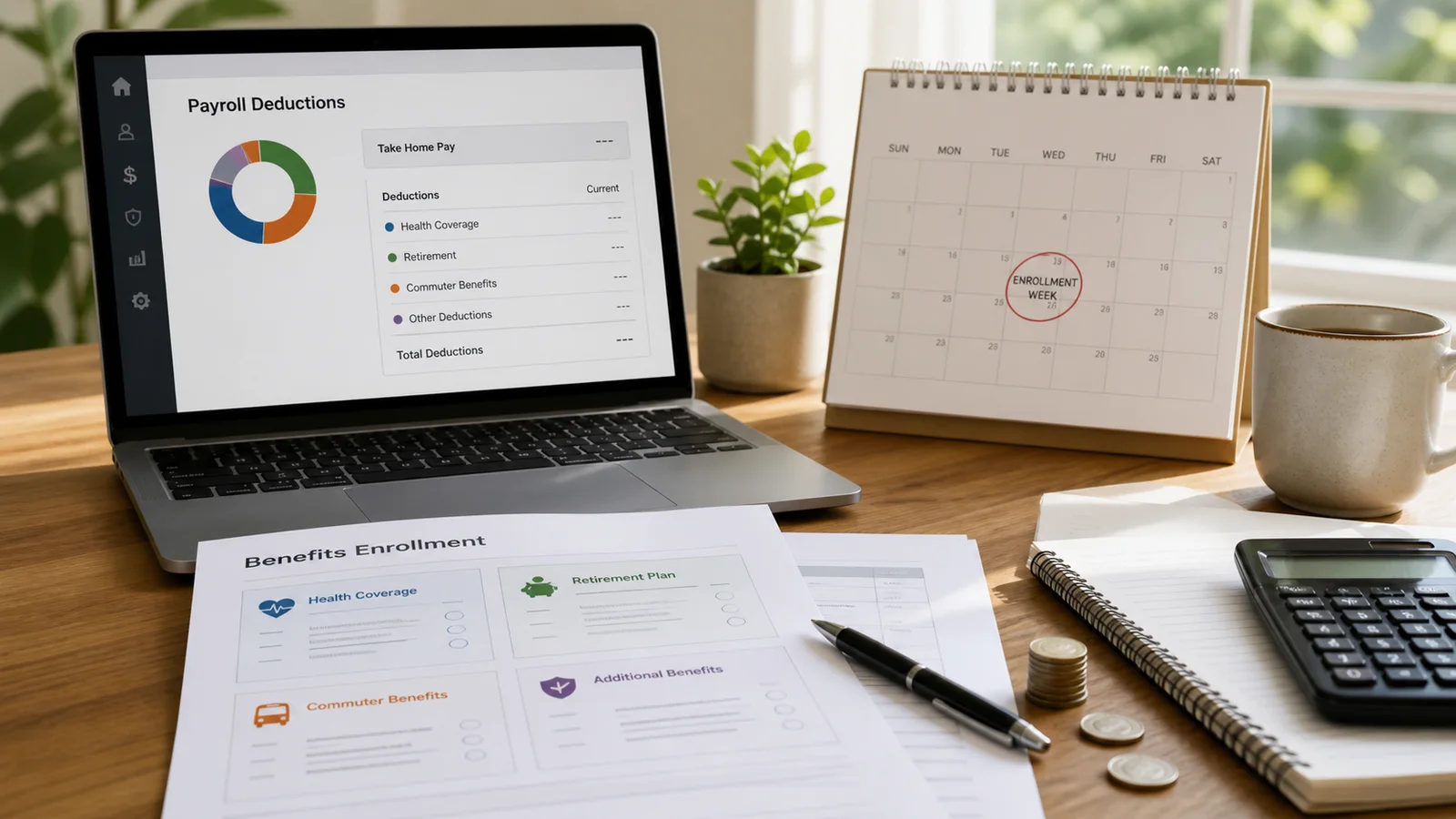
An employee benefits budget helps you compare paycheck deductions, coverage choices, retirement contributions, and work perks before enrollment changes your take-home pay.

A job offer budget helps you compare salary, benefits, commute costs, pay timing, and lifestyle changes before a new role reshapes your money.
A pay stub review helps you understand what actually reaches your account, spot deduction changes, and build a budget around real take-home pay.
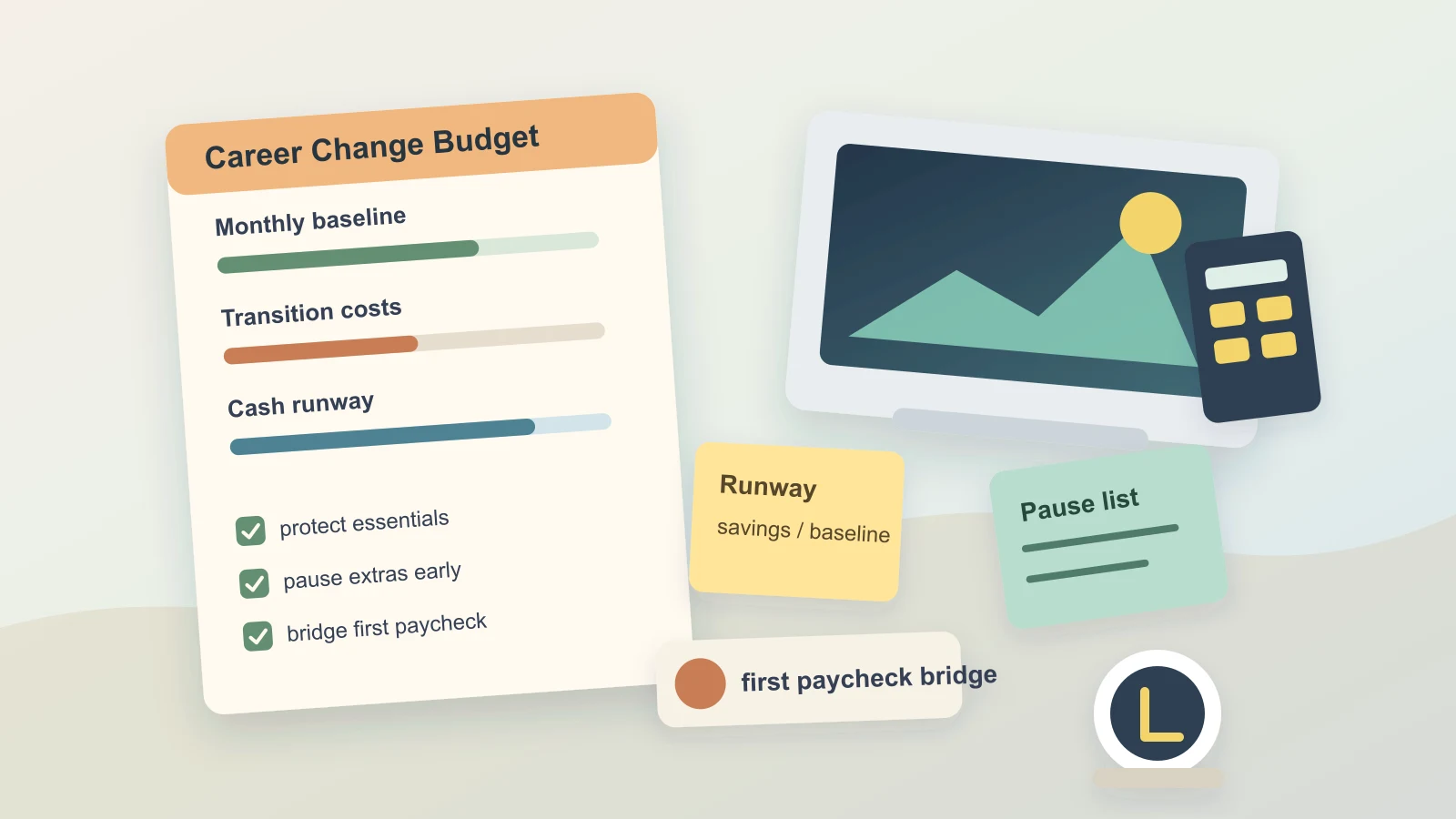
A career change budget helps you prepare for income gaps, training costs, benefits changes, and slower first months before a job switch strains your money.
A home office budget helps you separate must-have work tools from nice-to-have upgrades, plan replacements, and keep remote work costs visible.