Hybrid work can make weekday spending harder to read. One week has three office days, train fares, bought lunches, and coffee with a teammate. The next week has more home days, higher grocery use, extra electricity, and a small desk upgrade. Nothing looks dramatic on its own, but the pattern can get blurry fast.
A hybrid work budget gives office days and home days separate expectations. It helps you plan the costs that move with your schedule instead of treating every weekday as the same.
The goal is not to make work spending perfect. The goal is to know what a normal hybrid week costs and where small choices tend to drift.
Count your real office days first
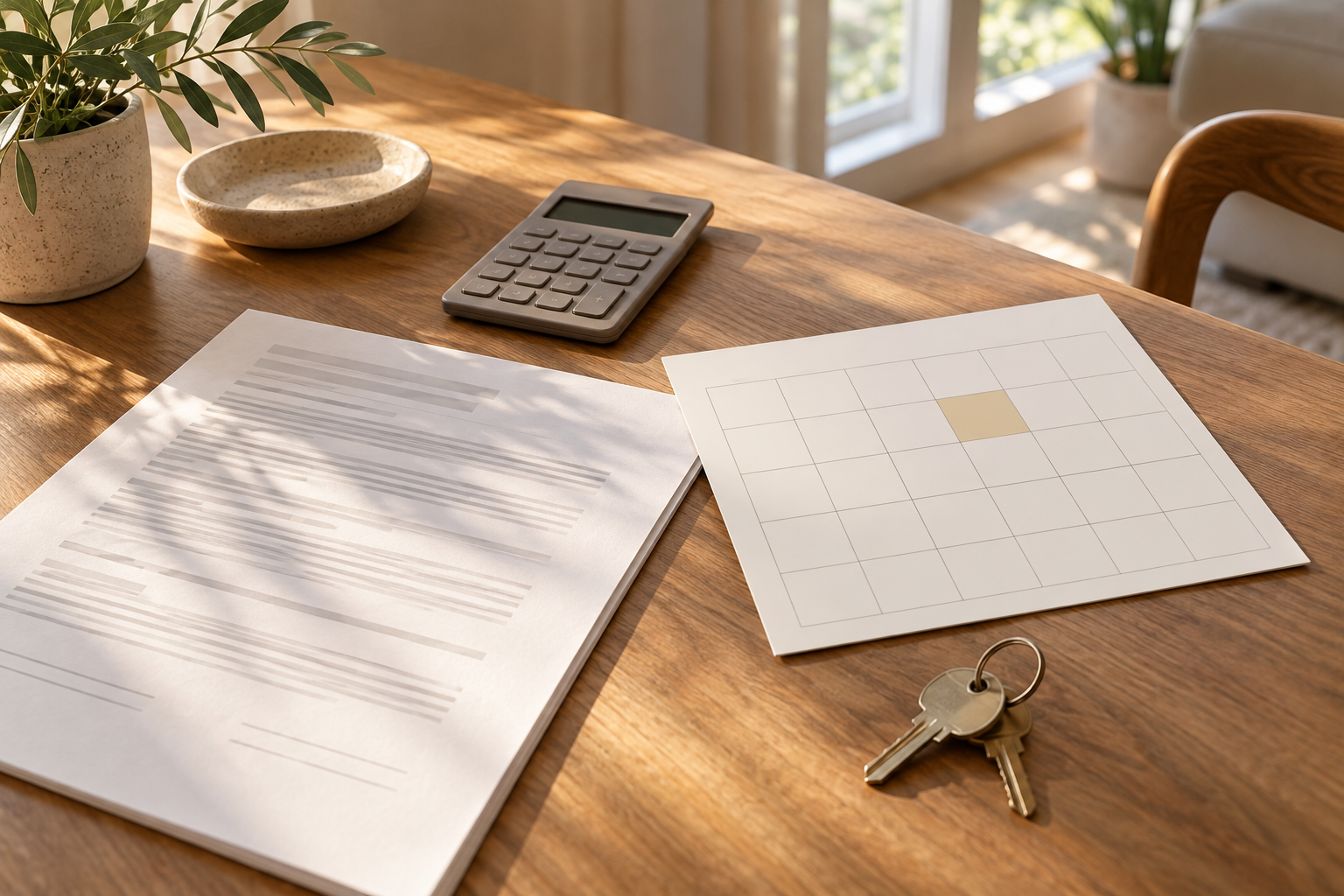
Start with the calendar, not a guess. Look at the next month and mark the days you expect to work away from home. Include required office days, client meetings, training sessions, team events, and any commute days that are still tentative.
Then group the month into a simple pattern:
- mostly home
- mostly office
- steady split
- unpredictable week to week
This matters because a two-day office week and a four-day office week do not need the same budget. The difference may show up in transport, parking, coffee, meals, clothing, laundry, childcare timing, or after-work plans.
If your schedule changes often, use a weekly check instead of one monthly number. A flexible routine needs a flexible review point.
Price the full office-day cost
An office day often costs more than the obvious commute. Write down every cost that tends to appear when you leave home for work.
Common office-day costs include:
- fuel, transit, tolls, parking, or rideshare
- breakfast, coffee, lunch, snacks, or after-work food
- clothing, shoes, dry cleaning, or laundry
- childcare schedule changes or pet care
- small supplies, printing, gifts, or team contributions
- errands done near the office because you are already out
You do not need exact numbers for every line at first. Estimate one normal office day, then multiply it by the number of expected office days. That gives you a working baseline.
If the total feels high, do not jump straight to guilt. Office days may be genuinely more expensive. The useful question is which parts are required, which are optional, and which are only happening because the day is rushed.
Give home days a budget too
Home days are not free. They often shift costs into categories that are easier to miss.
You may spend more on groceries, coffee at home, heating or cooling, internet upgrades, desk supplies, chargers, lighting, or small comfort purchases. You might also save on commuting while spending more on delivery because work and home tasks overlap.
Create a small home-work category or note if these costs keep disappearing into groceries, household, or shopping. This can help you see whether home days are actually lowering spending or simply moving it around.
Avoid treating every home purchase as a work necessity. A better chair, second monitor, or lamp may be worth planning for, but impulse upgrades can turn remote days into a quiet shopping category.
Separate routine costs from setup costs
A hybrid work budget gets clearer when you split repeat costs from one-time setup costs.
Routine costs happen because the schedule repeats:
- commute fares
- parking
- office lunches
- coffee
- laundry
- extra groceries
- coworking days
Setup costs happen because your work arrangement changed or your current setup needs support:
- desk equipment
- headphones
- bag or shoes
- monitor stand
- webcam light
- storage
- ergonomic accessories
Routine costs belong in the monthly budget. Setup costs belong in a short project plan or sinking fund. Mixing the two can make the month feel more expensive than it really is and can hide whether the routine itself is affordable.
Plan meals by day type
Food is usually the fastest hybrid-work category to drift. Office days create coffee runs, lunch invitations, vending-machine snacks, and dinner shortcuts after a long commute. Home days create grazing, extra groceries, and delivery when meetings crowd the afternoon.
Plan meals by day type instead of making one vague food goal.
For office days, decide:
- which days you will pack food
- which days you will buy lunch on purpose
- whether coffee is a daily habit or an occasional treat
- what dinner needs to be when you get home
For home days, decide:
- what easy lunch options are already available
- whether grocery shopping needs to happen earlier in the week
- what snack spending tends to replace
- when delivery is planned instead of accidental
This keeps food spending realistic. A budget that pretends every office lunch will be packed can fail by Tuesday. A budget that allows one planned lunch may be easier to follow.
Use categories that show the tradeoff
Hybrid work can scatter spending across transport, restaurants, groceries, household, clothing, subscriptions, and work supplies. If the categories are too broad, you may not see the real tradeoff.
If you track expenses in Furt Money, review the categories that change when your work location changes. Compare office-heavy weeks with home-heavy weeks. You are looking for patterns like higher transport, lower groceries, more takeout, or more household spending.
You may not need a permanent “hybrid work” category. Sometimes notes or a monthly review are enough. But if work-location costs keep surprising you, a temporary category can help until the pattern is clear.
The best category setup answers one question: “What does my work routine actually cost?”
Build a weekly office-day allowance
Once you know the pattern, create a small allowance for office-day spending. This is not extra permission to spend without thought. It is a way to stop office days from quietly pulling money from every other category.
The allowance might cover coffee, snacks, lunch gaps, parking, or small workday purchases. Keep required commuting separate if that makes the budget cleaner.
Try a weekly number first. Monthly office spending can feel abstract, especially when your schedule changes. A weekly allowance lets you adjust before the whole month gets away from you.
If the week has fewer office days than expected, decide where the leftover money goes. It might stay for a busier week, move to savings, cover groceries, or help with a setup purchase you have been planning.
Review the schedule before payday
Hybrid work budgets work best when they are reviewed before money is assigned. Near each payday, look at the next pay cycle and ask:
- How many office days are likely?
- Are any days longer than usual?
- Will there be team meals, events, travel, or client meetings?
- Do any home-office supplies need replacing?
- Which commute or meal costs can be planned now?
- What can wait until the next cycle?
Then make one adjustment. Raise transport for an office-heavy cycle, add a small meal allowance for a team week, or reduce weekday spending if the next two weeks are mostly at home.
This small review keeps the budget connected to the actual calendar.
Make the routine easier to repeat
The best hybrid work budget is boring in a useful way. You know what an office day usually costs, you know what a home day tends to shift, and you have a quick review before the next pay cycle.
Start with one week. Count the office days, estimate the real cost of each one, and check whether home days are creating hidden spending. Then choose one rule for the next week: pack lunch twice, set an office-day allowance, refill groceries before home days, or pause a setup purchase until it has its own plan.
Hybrid work gets easier to budget when the schedule stops being invisible. Give each workday type a clear money shape, and the rest of the month becomes easier to read.