Work lunch spending rarely feels like a big financial decision. It is one sandwich, one coffee, one cafeteria meal, one snack after a meeting, or one delivery order when the day runs long. The problem is not that any single lunch is wrong. The problem is that weekday food choices repeat often enough to become a real budget category.
A work lunch budget gives those choices a clear place in your plan. It does not require packing every meal, refusing every invite, or turning lunch into a math exercise. It simply helps you decide when to bring food, when to buy food, and how much room weekday eating gets before the month begins.
The goal is a routine you can actually live with.
Start with your real work week
Before setting a number, look at the week you actually have. Lunch spending depends on schedule, commute, workplace options, energy, storage, and social habits. A budget built for an ideal week will collapse quickly if your real week has long meetings, limited fridge space, or a commute that makes mornings rushed.
Write down:
- How many days you work away from home
- Which days are busiest or least predictable
- Whether you have a fridge, microwave, kettle, or lunch area
- How often colleagues invite you to eat out
- Which days already include catered meals or work events
- Whether you buy coffee, snacks, or drinks near lunch
- What usually happens when you forget to pack food
This short inventory turns lunch from a vague leak into a visible pattern. It may show that you only need three packed lunches, not five. It may show that the expensive part is not lunch itself, but coffee and snacks around lunch. It may show that one busy day needs a planned convenience option.
Choose one weekday food number
Lunch often hides across several categories: groceries, dining out, coffee, delivery, workplace cafeteria, vending machines, convenience stores, and payment apps. Start by choosing one total number for weekday work food. You can split it later, but the total keeps the tradeoff honest.
Your work lunch number can include:
- Packed lunch groceries
- Cafeteria or canteen meals
- Restaurant lunches during the workday
- Coffee, tea, snacks, and drinks bought at work
- Delivery or pickup ordered because of work timing
- Shared team lunches when they are common
Keep normal household groceries separate when possible. The lunch budget is not every tomato or loaf of bread in the house. It is the part of food spending that exists because you need to get through the workday fed.
If you are not sure where to start, look back at two or three recent weeks. Add up weekday food purchases, then decide whether that number felt comfortable, too high, or too strict. The first budget does not need to be perfect. It needs to be clear enough to review.
Build a hybrid lunch routine
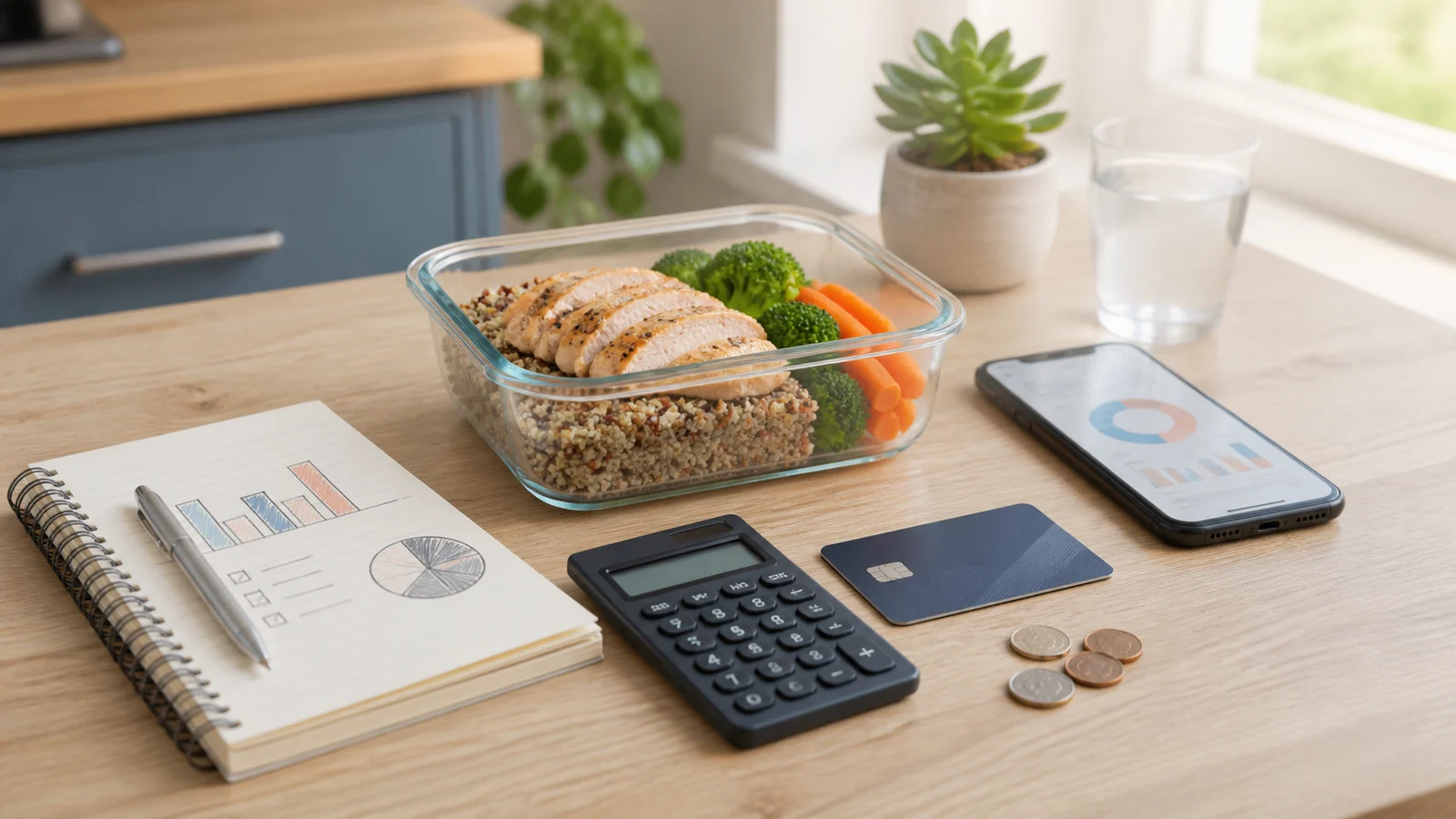
A useful work lunch budget usually has a mix of packed meals and planned paid meals. Going all-in on packed lunches can save money, but it may fail if your mornings are hectic or your workplace setup is limited. Buying lunch every day may be convenient, but it can crowd out savings, debt payments, or other priorities.
Try choosing a simple weekly rhythm:
- Pack lunch on predictable days.
- Buy lunch on the longest or most social day.
- Keep one backup meal at work if storage allows.
- Use leftovers only when you actually enjoy them.
- Keep snacks visible so small purchases do not multiply.
For example, someone might pack Monday, Tuesday, and Thursday; buy lunch with coworkers on Wednesday; and keep Friday flexible. Another person might bring breakfast and snacks but budget for cafeteria lunch twice a week.
The best routine is not the cheapest possible version. It is the one that reduces unplanned spending without making your workday harder than it needs to be.
Make packed lunches easy enough to repeat
Packed lunches save money only when they are simple enough to happen on busy mornings. If every lunch depends on chopping, cooking, labeling, and remembering five containers, the system may be too fragile.
Focus on low-friction choices:
- Repeat two or three lunches you already like.
- Pack dinner leftovers before putting food away.
- Keep one shelf, drawer, or bag for lunch items.
- Use containers that are easy to clean and carry.
- Choose foods that survive your commute and workplace setup.
- Add a backup item for days when the main meal is not enough.
Do not ignore taste. A sad packed lunch can turn into a bought lunch plus wasted groceries. It is better to plan a modest packed meal you will actually eat than an impressive meal you abandon by noon.
Also plan the small extras. Drinks, snacks, sauces, fruit, or something sweet can be the difference between eating what you brought and spending again. If those items help the packed lunch work, they belong in the budget.
Give bought lunches a clear role
Buying lunch is not automatically the problem. Unplanned buying is usually the problem. A paid lunch can support a social connection, solve a long workday, or make an office day feel easier. The budget issue begins when every difficult moment becomes a separate purchase.
Decide what bought lunches are allowed to do:
- Cover one meeting-heavy day each week
- Support a planned team or friend lunch
- Replace cooking during a stressful week
- Make room for travel between work sites
- Serve as a backup when food safety or storage is limited
Then set a practical boundary. You might choose a weekly lunch amount, a number of paid lunches, or a rule that delivery fees count inside the same category. If one restaurant meal uses most of the weekly lunch money, that is not a moral problem. It just means the rest of the week needs a different plan.
This is where expense tracking helps. If you use Furt Money, review workday dining, coffee, groceries, and convenience purchases together. The pattern can show whether the issue is lunch price, frequency, delivery fees, or extra purchases around the meal.
Plan for social lunch pressure
Work lunch can be social. That makes it harder to treat as a simple food category. You may want to join colleagues, welcome a new teammate, meet a mentor, celebrate a birthday, or avoid feeling like the person who always says no.
A budget can make those decisions easier by giving social lunch its own room. You do not need to accept every invite or reject every invite. You need a default.
Try one of these rules:
- Join one planned work lunch per week.
- Save paid lunches for team events, not solo convenience.
- Suggest coffee instead of a full meal when money is tight.
- Bring lunch but join the group after they order.
- Choose a lower-cost option before you arrive.
- Say yes when it matters and no when it is just habit.
The wording can stay simple: “I brought lunch today, but I can walk with you,” or “I am keeping lunch low this week, but I can do Thursday.” A clear budget makes the answer feel less personal. You are not rejecting people. You are following a plan.
Check the budget before Friday
Work lunch spending can drift because it happens in small pieces. A Friday review keeps the category from surprising you at month-end.
Once a week, check:
- How much of the work lunch budget is left?
- Which purchased meals were planned?
- Which purchases happened because there was no backup?
- Did packed lunches turn into eaten lunches?
- Did coffee or snacks cost more than the meal?
- Does next week need more groceries, fewer ambitious plans, or one planned paid lunch?
Keep the review factual. If you bought lunch three times because two mornings were chaotic and one team event came up, that is useful information. Maybe the next plan needs a freezer meal, an easier breakfast, or a paid lunch line that matches real office life.
If you track expenses in Furt Money, use the weekly review to clean up categories while the purchases are still familiar. A coffee run, cafeteria charge, and grocery lunch item may all tell the same story when you review them together.
Create a repeatable lunch checklist
A work lunch budget works best when the setup is boring and repeatable. Use a short checklist at the start of the week:
- Count your workdays away from home.
- Mark the busiest or most social day.
- Choose which days you will pack lunch.
- Choose which day, if any, you will buy lunch.
- Add lunch groceries and snacks to the shopping list.
- Set a weekly amount for paid meals, coffee, and extras.
- Keep one backup option ready for the day that does not go as planned.
This checklist is small enough to repeat, which is the point. You are not trying to control every bite. You are giving a frequent expense enough structure that it stops blending into the background.
The next step
For the next five workdays, write down only two things: what you planned for lunch and what actually happened. Do not change anything yet. Just notice the pattern.
At the end of the week, choose one adjustment. Pack one extra lunch, plan one paid lunch, keep snacks at work, or set a clearer coffee limit. A work lunch budget does not have to be strict to be useful. It just has to make weekday food spending visible before it quietly takes over more of your money than you intended.