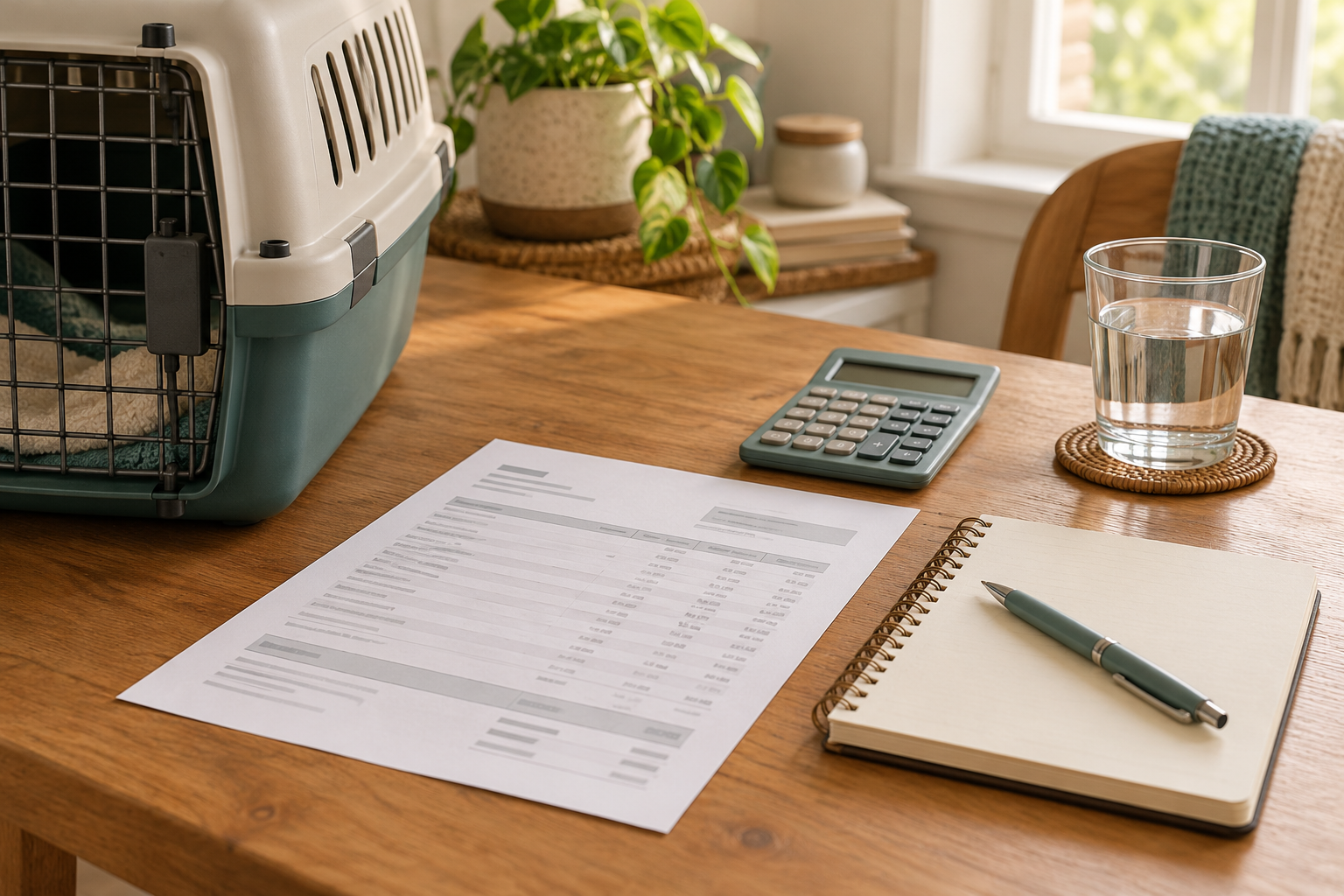
A desk away from home can be useful when your usual workspace is noisy, cramped, or full of interruptions. But a flexible day pass and a monthly membership solve different problems. The membership may look cheaper per visit while still costing more if your schedule changes.
A coworking space budget starts with the days you will actually use, the full cost of getting there, and the terms you would be agreeing to. It is not a test of whether you are productive enough to deserve a desk. It is a way to buy the right amount of space without turning an occasional need into an unnoticed recurring expense.
Name the job the space needs to do
Write down what is not working in your current setup. Do you need reliable internet for a few calls, a quiet room for concentrated work, a meeting place for clients, or simply a change of scene? Those needs may point to different plans. A shared desk might work for quiet laptop tasks but not for confidential calls; a meeting room might be priced separately.
Mark the specific days in the next four weeks when you expect to go. Separate certain days from maybe days. A deadline, client meeting, or scheduled maintenance at home is more concrete than a hope to go every weekday. If you have access to a library, employer office, or another suitable space, include that option rather than comparing only paid passes.
Add the full cost of a coworking day
Ask the space for the checkout price and what it includes. Then add the costs that come with leaving home:
- Day-pass price or the allocated cost of a membership, including any applicable taxes and booking fees
- Travel fare, fuel, tolls, or parking
- Food and drinks you would not otherwise buy
- Extra charges for a call booth, meeting room, printing, storage, or after-hours access if you need them
- A one-time setup fee or deposit, kept separate from ordinary monthly spending
Do not count a refundable deposit as a permanent expense, but do account for the cash or card capacity it ties up until it returns. Check whether the pass covers the hours and location you need; an attractive price is not useful if your workday ends after access closes.
Find the pass-versus-membership break-even point
Compare plans over the same billing period and for the same access. If a day pass costs 18 units and a monthly membership costs 120 units, seven day passes cost 126, so the membership begins to cost less at seven visits. At six visits, passes cost 108. These numbers are only an illustration in your own currency, not a market price.
The quick calculation is monthly membership price ÷ day-pass price. Round up to the next whole visit when the quotient is not a whole number, then check the actual totals. If the membership includes a setup fee, add that fee in the first month. If passes and membership differ in hours, locations, or room access, adjust the comparison rather than treating them as identical products.
Travel and meals may be the same under both plans if you go on the same days. They still matter to your overall work budget, but they do not make a membership cheaper than passes by themselves. If a membership encourages extra trips, price those extra trips too.
Stress-test the calendar, not just the average
A break-even result assumes you use the number of days you wrote down. Check a quieter month as well as a busy one. Holidays, sick days, travel, home obligations, and project gaps can reduce visits without reducing a fixed membership bill.
Try three scenarios: your confirmed days, your likely days, and a low-use month. For each, multiply pass price by visits and compare it with the membership charge. If the membership only wins in the most optimistic scenario, a few passes may buy useful flexibility. If you consistently cross the break-even point and the space meets your needs, a membership may be worth considering.
A short trial can reveal costs the price list misses: how long the commute takes, whether you need to buy lunch, how often rooms are available, and whether you can actually focus there. Do not commit to a long term just to save on a per-day rate you may not use.
Read the payment and cancellation terms
Before paying, confirm when the billing cycle starts, whether unused visits expire or roll over, how booking works, whether access is limited at busy times, and how to cancel or change a plan. Ask about notice periods, automatic renewal, deposits, and any refund rules. Keep the written terms and the cancellation date somewhere you will see them.
If an employer or client might reimburse workspace costs, confirm eligibility and approval before you buy. Treat the charge as your own cash outflow until reimbursement is approved and received. If you are self-employed, avoid assuming a tax deduction: rules differ by location and circumstances, so check official guidance or a qualified professional when it matters.
Fit it into a real pay cycle
A membership is usually one larger payment; passes may fall across several weeks. Put the payment dates beside rent, utilities, debt minimums, groceries, and savings commitments. A monthly plan can be the lower total and still be awkward if the entire charge lands before payday.
Set a maximum workspace amount that leaves essentials intact. If you use Furt Money to track spending, categorize posted workspace charges and the related travel or food costs, then review the pattern after a month. Keep any promised reimbursement in a separate note until it actually arrives; do not subtract it from spending twice.
At the end of the trial, compare the visits you planned with the visits you made and the full amount you spent. Decide whether to keep passes, switch plans, or use another workspace. Your next step is to mark the confirmed days in your coming month and calculate both plan totals using the prices and terms available to you.