Gas Station Authorization Hold: Plan for the Temporary Card Reserve
A pay-at-pump authorization can briefly reduce usable funds before the final fuel charge posts. Learn to identify the hold, protect upcoming bills, and reconcile the receipt.
Topic
15 guides to help you understand the essentials and make a more confident next move.
A pay-at-pump authorization can briefly reduce usable funds before the final fuel charge posts. Learn to identify the hold, protect upcoming bills, and reconcile the receipt.
Use a car repair estimate checklist to compare diagnosis, parts, labor, extra charges, and payment timing before agreeing to work at a shop.

A commute disruption budget helps you compare backup routes, protect your next bills, and record the real cost when your usual trip stops working.
Is a car-share membership worth it for occasional trips? Compare access fees, trip charges, mileage rules, and backup travel with a simple monthly budget.

Build a school transportation budget around actual school days, fares or driving costs, backup rides, and payment dates—without overlooking safety or time.
Build a vehicle registration renewal budget around the official amount, required steps, and your paydays so an irregular driving cost does not crowd out essential bills.
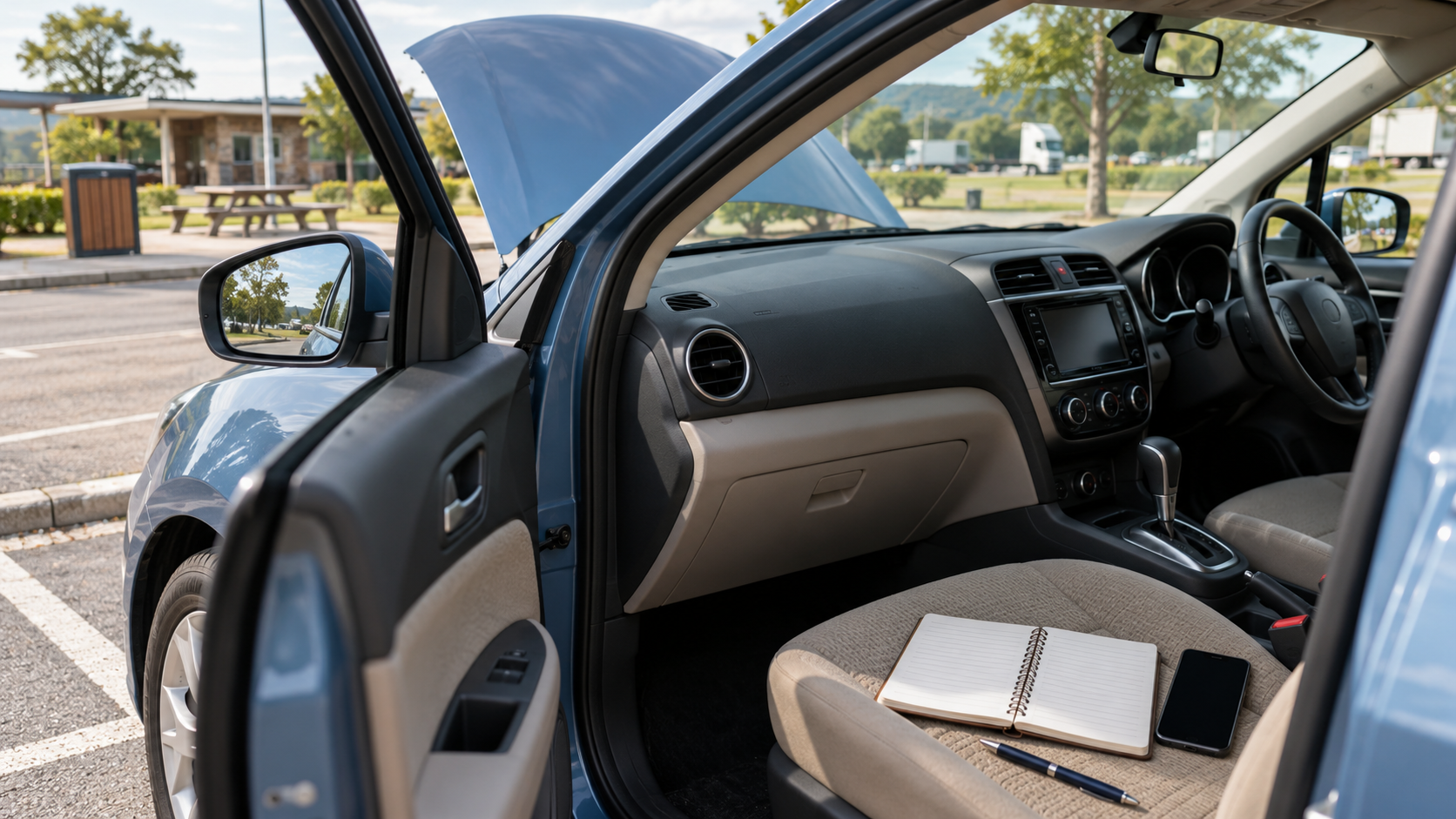
A car breakdown can create several bills at once. Use this cost plan to check roadside coverage, compare a written repair estimate, and protect your next pay cycle.
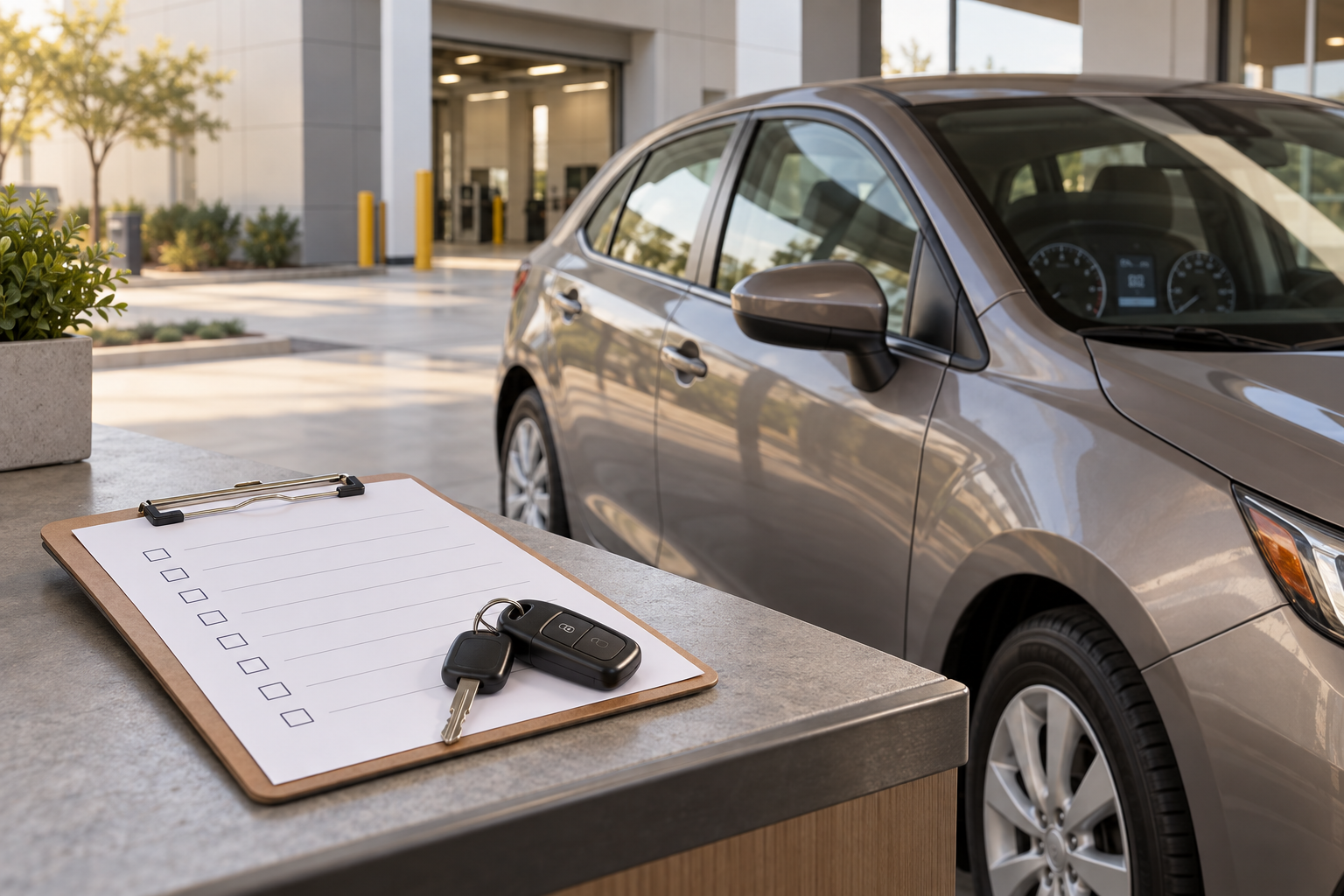
Ending a car lease? Map mileage, condition, final payments, return fees, and replacement transport before you decide what to do next.

An airport transfer budget helps you compare trains, buses, shuttles, and rides after baggage, waiting, and last-mile costs—not just the first fare you see.
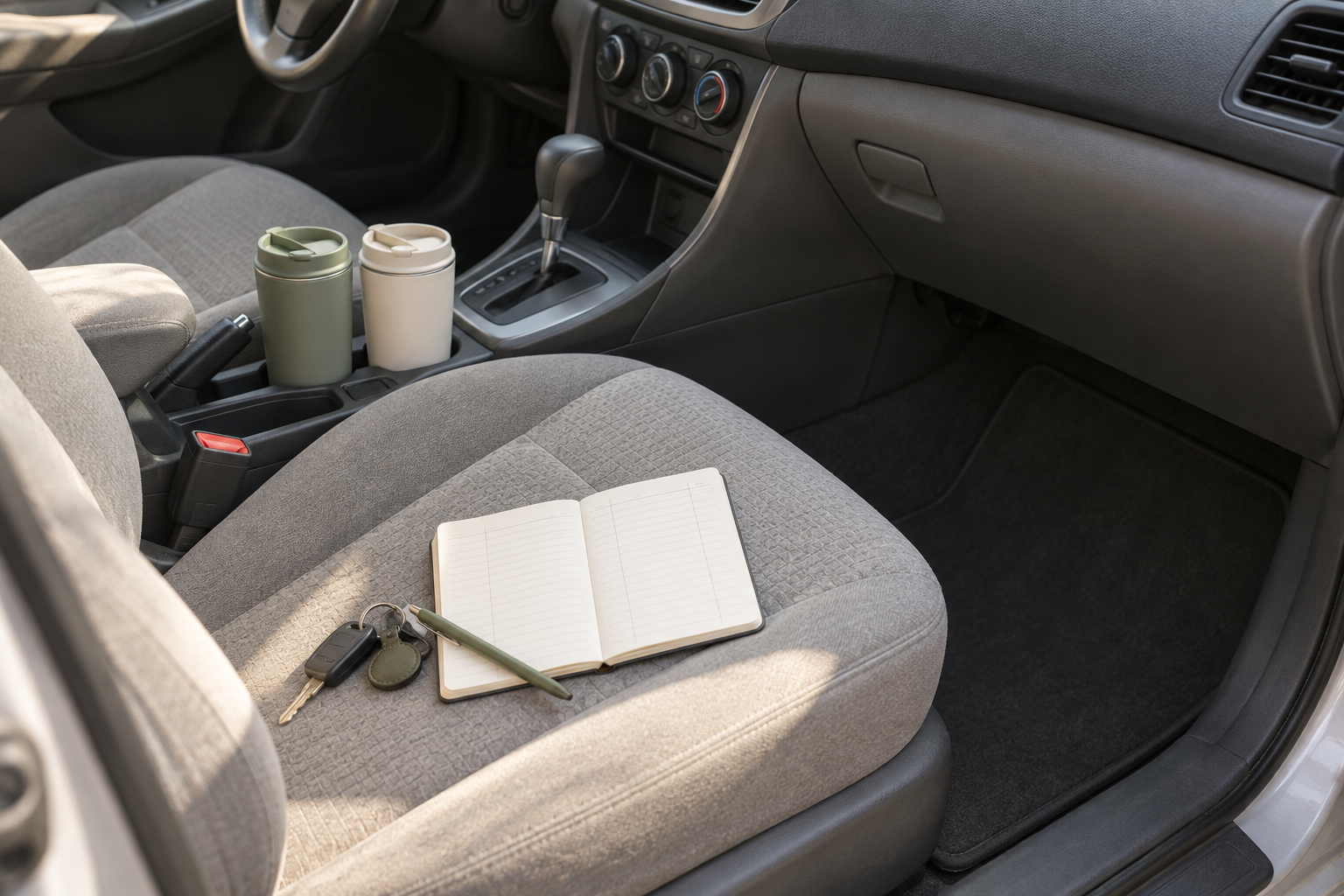
A carpool cost-sharing plan helps drivers and riders agree on fuel, tolls, parking, payment timing, and schedule changes before a shared commute gets awkward.

A bike commuting budget separates setup costs, maintenance, storage, and backup rides so you can compare cycling with your real travel routine.
A commuter pass budget helps you compare transit passes, pay-as-you-go fares, office days, errands, and backup rides before transport costs quietly drift.
A car buying budget helps you compare the full cost of a vehicle, from the monthly payment to insurance, maintenance, taxes, and the cash you need before signing.
A parking budget helps you plan permits, meters, garages, event parking, and occasional tickets before small driving costs crowd the rest of your month.
A commute budget helps you compare transit, fuel, parking, ride-hailing, and workday habits so getting to work does not quietly strain your monthly plan.