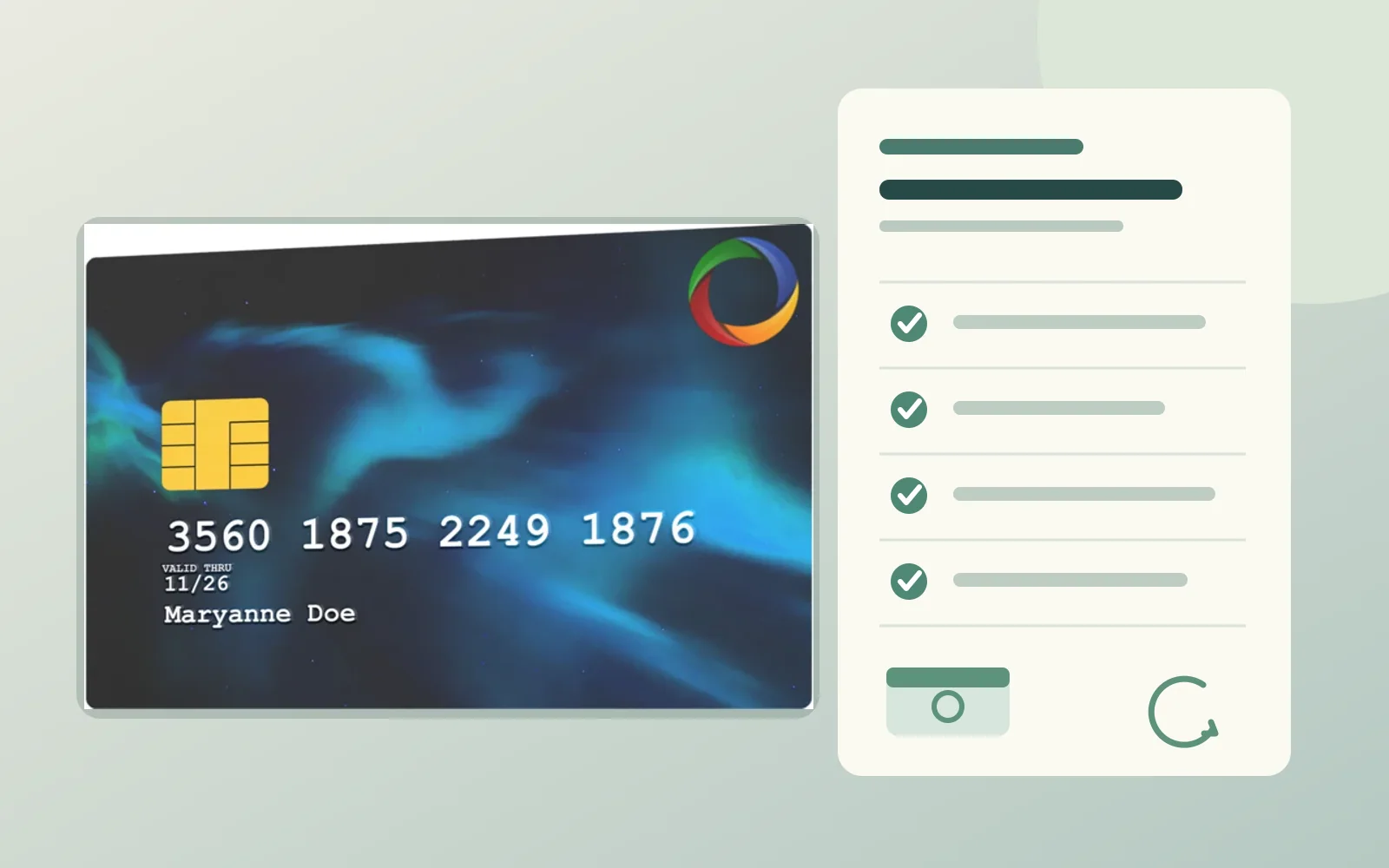
You fill up for one amount, but your banking app shows a larger pending amount and less money available for the next bill. That can happen when a fuel pump requests an authorization hold before it knows how much fuel you will buy. The reserve is not necessarily the final purchase. It can still matter if the card is connected to money you need today.
This guide explains how to check a gas station authorization hold without treating it as a second fuel expense. Amounts, timing, and display labels vary by station, payment network, and card provider. Your actual receipt and account activity are the records to use.
Understand why the pump asks for a reserve
At pay-at-pump checkout, the station may ask your card provider to approve a temporary amount before the fuel is dispensed. The final amount is determined after you finish and the transaction is processed. Depending on the arrangement, the temporary authorization may disappear, change to the actual charge, or appear alongside a separate pending final charge for a while.
An authorization can reduce available money on a debit card or available credit on a credit card. It is not proof that the station has permanently charged you the entire reserved amount. Equally, a receipt for a smaller amount does not mean the reserve has already been released. Check both the transaction status and what you can actually spend.
Identify the three numbers before changing your budget
Keep these separate:
- Fuel on the receipt: what the pump says you bought. Include any separately purchased items only if they are on the same receipt.
- Pending authorization: A temporary amount shown by the card account before settlement.
- Posted charge: the transaction that ultimately appears in your account history.
Suppose the pump reserves 100 units of your currency and the receipt shows 42 units of fuel. If the app temporarily shows both 100 pending and a 42 charge, do not record 142 as fuel spending. Record the 42 purchase once, then track the 100 as a temporary restriction until it clears. This is an arithmetic example, not a typical hold amount or a promise about how the transaction will display.
If you have several visits to the same station, match the date, location, card, and receipt amount before deciding which pending entry belongs to which fill-up. Keep the receipt until the account settles.
Protect the money needed before the hold clears
The budgeting problem is not only the final fuel cost. A temporary reserve can leave less usable money for a grocery trip or an automatic bill payment. Before filling up when your account is tight, check your current available amount, the bills due soon, and the fuel you actually need. Leave room for both the purchase and a possible temporary authorization rather than assuming the receipt amount will be the only immediate reduction.
You can ask the station whether paying a specified amount inside, or using another accepted payment method, changes the authorization process. Do not assume it always does; check the station’s practice and your card provider’s handling. If you must use the card at the pump, consider a smaller planned fill-up and keep essential spending visible until the authorization is resolved. A smaller purchase may not mean a proportionally smaller hold.
Avoid moving money earmarked for a near-term bill merely because a temporary authorization looks like an error. First establish what is pending and whether the amount needed for that bill remains available.
Reconcile the fuel purchase without counting it twice
Record the actual fuel purchase in your transport category using the receipt, then compare it with the posted charge. Keep a short hold note with the station, date, card’s last four digits if useful, pending amount, receipt total, and next review date. Do not record the hold as a second expense or count its expected release as new income.
If you use Furt Money to review spending, categorize the fuel purchase and inspect your transport pattern. Use your card provider’s account record for the authorization status and posted amount; a spending category is not a substitute for verifying settlement. Once the pending entry disappears and the posted amount matches the receipt, close the note. If a separate non-fuel item was purchased, categorize it according to what it was rather than hiding it in fuel.
Ask specific questions if the amounts do not line up
If the reserve remains visible longer than your provider expects, ask the card provider whether it is still an authorization and what information they need to investigate. The station can confirm the completed sale and provide a receipt; the card provider can explain its own account status and available-funds calculation. Do not rely on a generic number of hours, because release timing varies.
If an incorrect charge has posted, that is different from a pending hold. Compare the posted amount with the receipt and contact the station or card provider through their current support process. Keep dates and reference numbers together. For disputes or account-specific deadlines, follow the provider’s current instructions rather than assuming a universal rule.
Make the next fill-up easier
Add one small step to your fuel routine: when you plan a pay-at-pump purchase, check usable funds against the next few days of bills; after fueling, save the receipt and check the posted charge later. If holds repeatedly create a cash-flow squeeze, ask the station and provider what payment options they support, then choose a routine you can reliably fund.
Start with the last fuel receipt and one matching account entry. Separating the real purchase from the temporary reserve makes the transport budget accurate without overlooking money that is briefly unavailable.