
Family Reunion Budget: Share the Cost Without Awkward Surprises
Plan a family reunion budget around a realistic headcount, shared costs, deposits, travel, and clear payment deadlines without assuming everyone can spend the same amount.
Topic
26 guides to help you understand the essentials and make a more confident next move.
Plan a family reunion budget around a realistic headcount, shared costs, deposits, travel, and clear payment deadlines without assuming everyone can spend the same amount.

A childcare waitlist can involve deposits, uncertain start dates, and backup care. Build a cash-flow plan without treating a place as confirmed too early.

Build a music lessons budget around lesson fees, practice equipment, travel, and performance costs so a new hobby fits your actual cash flow.

Build a school uniform budget from the actual dress code, usable clothes, replacement timing, and total cost—not a rushed shopping list.

Build a respite care budget around actual coverage hours, provider quotes, travel, backup arrangements, and payment timing so a caregiver's break is sustainable.

Build a school transportation budget around actual school days, fares or driving costs, backup rides, and payment dates—without overlooking safety or time.

Before adding an authorized user to a credit card, check the issuer's terms, agree on spending and payment rules, and plan for the full statement balance.

A family photo session budget should cover the booking fee, images, prints, travel, outfits, and possible changes. Use this checklist to compare packages without surprise extras.

Build a college application budget that covers verified fees, travel, documents, and deposits without confusing application costs with the later cost of attending.

Build a school field trip budget from the permission slip, payment dates, food plan, and optional spending so one school day does not disrupt the month.

Before co-signing a loan, test the full payment against your own budget, read the lender's terms, and decide how you would handle missed payments.

A funeral cost plan helps families organize wishes, documents, payment sources, travel, food, and urgent decisions before grief forces every choice at once.
A wedding planning budget helps couples set a total, rank priorities, handle deposits, family contributions, guest count, and post-wedding cash flow before booking vendors.
A teen first job budget helps young earners split paychecks between spending, saving, family costs, transport, and future goals without making money feel scary.
A holiday hosting budget helps you plan food, drinks, decor, guest needs, cleaning, and shared costs before a generous gathering crowds the month.
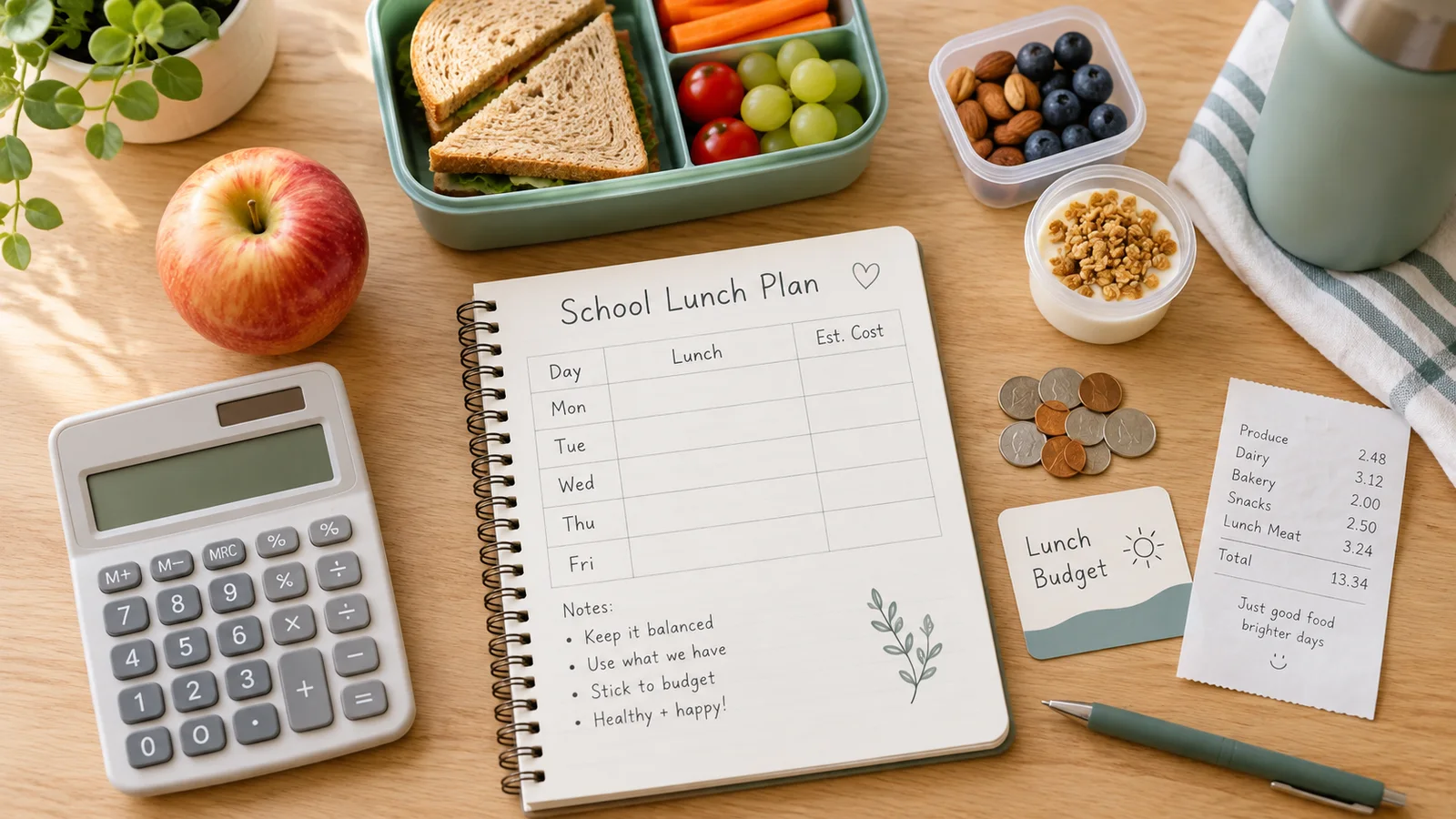
A school lunch budget helps families plan cafeteria meals, packed lunches, snacks, and busy-week food costs without letting small daily choices blur the monthly plan.

A birthday budget plan helps you enjoy parties, dinners, gifts, travel, and last-minute extras without letting one celebration crowd the rest of the month.

A kids activity budget helps families plan sign-up fees, gear, travel, snacks, camps, and lessons before busy seasons crowd the monthly budget.
An allowance budget helps families give kids money practice, set clear spending limits, and protect the household budget from small surprise requests.

A parental leave budget helps new parents prepare for lower income, new baby costs, medical bills, and the first months at home without losing track of cash flow.

A beneficiary review checklist helps you keep retirement accounts, insurance policies, and payable-on-death instructions aligned with your current life.

An aging parent budget helps you plan shared bills, care-related costs, travel, and emergency support while keeping your own cash flow visible.

A childcare budget helps families plan recurring care costs, deposits, backup care, schedule changes, and payment timing without letting one line item distort the whole month.

A baby budget checklist helps new parents prepare for one-time setup costs, recurring supplies, medical bills, childcare, and income changes before the due date.
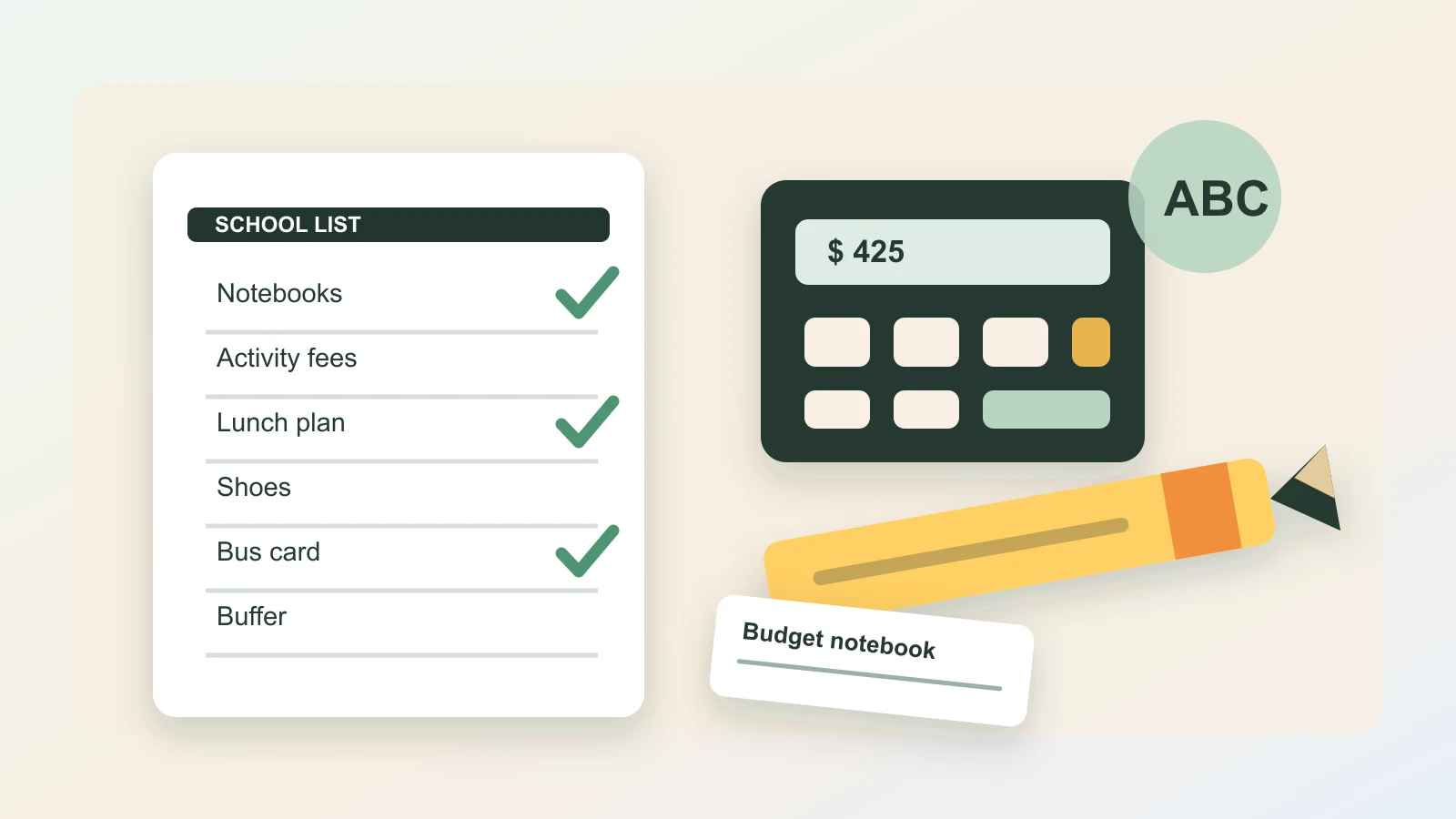
A back-to-school budget helps families prepare for supplies, clothes, activities, lunches, and schedule changes before the new term strains everyday spending.

Family money boundaries help you support people you care about while keeping your own bills, savings, and financial stress in view.