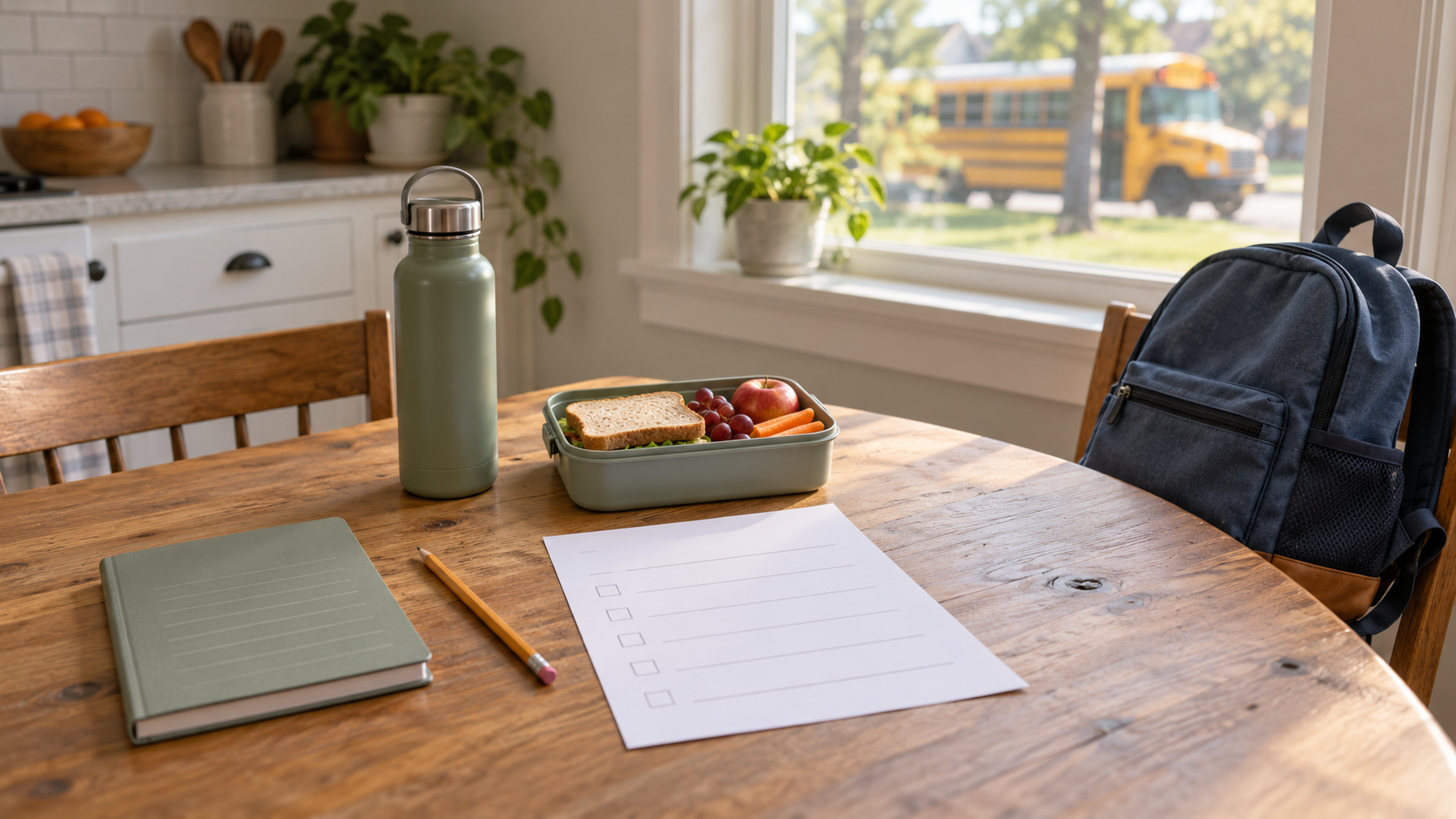
A school field trip rarely arrives as one neat expense. There may be a trip fee, a deadline to pay, a packed lunch, transport to a different pickup point, and a request for spending money. A school field trip budget puts the whole day on one page before the permission slip is due. It also makes room for a conversation with your child about what is included and what is optional.
Read the trip notice for dates and inclusions
Start with the actual notice rather than a guess based on last year’s trip. Write down the permission deadline, payment deadline, trip date, pickup and return times, and how payment must be made. Then mark what the fee includes: transport, admission, meals, equipment, and any supervised activities. Ask the school about unclear items before buying them separately.
Keep the notice with your budget until the trip is over. If the school changes the schedule or cancels, its current terms—not your estimate—determine what happens to a payment. Do not count a possible refund as available money before it arrives.
Separate required costs from optional extras
Make two short lists. The required side might include the trip fee, a lunch if meals are not provided, and a necessary ride to the pickup point. The optional side might include souvenirs, snacks, a special outfit, or extra spending money. Check whether any “required” item can be borrowed, brought from home, or provided by the school.
A field trip is not a reason to buy a whole new set of gear. If a raincoat or sturdy shoes are needed, check what already fits and whether borrowing is practical. For an activity with special equipment, confirm what is supplied and whether it must meet specific requirements before spending.
If the fee is difficult to cover, ask the school privately whether it offers a payment arrangement or assistance, and what the deadlines are. Availability varies; it is worth asking rather than assuming either that help exists or that a child must miss out.
Build one all-in number
Use a simple line for each item: trip fee + food and drink + extra transport + required supplies + optional pocket money + small contingency. The contingency is a reserve for a genuine uncertainty, not an invitation to spend it. If the trip is fully covered and lunch comes from your normal grocery plan, enter zero for those lines instead of counting the same cost twice.
For illustration only, suppose a trip fee is 24 units, an extra ride is 6, packed-lunch ingredients beyond the usual plan are 4, and you choose 5 for optional spending. The planned total is 39 units. If you set aside another 3 as contingency, reserve 42 units in all. These are example amounts, not typical school prices. The point is to make your family’s actual total visible before the deadline.
If several children have trips near the same date, list each trip separately and add the totals. A per-child fee can look manageable until all the permission slips arrive together.
Fit the deadline into this pay cycle
Place the payment deadline next to your next payday and must-pay bills. If the fee is due before income arrives, do not use a later paycheck as though it is already in your account. See what cleared cash remains after essentials, then decide whether an optional cost needs to shrink or a legitimate payment arrangement is needed.
For a known trip a few weeks away, divide the remaining amount by the pay cycles before the due date. If 42 units are needed and there are two paydays before payment is due, earmarking 21 from each is one possible plan. If only one payday falls before the deadline, the two-payday calculation does not work; plan around the actual calendar.
Track the fee when it is actually paid. If the school issues a receipt or payment confirmation, keep it with the permission slip so a missing payment can be checked without guesswork.
Plan lunch and pocket money with your child
Check the school’s food instructions first: meal inclusion, allergy guidance, storage rules, and whether purchases are even possible at the destination. A packed lunch from food already budgeted for the week may need no extra trip allowance. If you will buy a meal, set a specific amount using the information the school provides; avoid sending money merely because other children might.
Choose an optional spending limit before the trip and explain it in plain language. For example: “Lunch is packed, and this small amount is for one optional purchase; you do not have to spend it.” Avoid promising a particular item when you do not know what the venue sells. If the school does not allow cash or purchases, skip this line entirely.
Review the final cost without turning it into a project
After the trip, compare the plan with what was paid: fee, food, transport, supplies, and pocket money actually used. Return unspent cash to the household plan rather than treating the full allowance as a cost. If a fee was refunded later, record the refund when received and pair it with the original expense in your review.
An expense tracker such as Furt Money can help you categorize the payments and notice when several school events cluster in one month. Keep the permission slip, school instructions, and receipts where you can find them; a spending category alone cannot tell you whether lunch was included or when a form was due.
The next time a notice comes home, take ten minutes to mark the deadlines and included items, then write the required and optional costs separately. That one small check gives your child a clear plan for the day and your monthly budget a fair chance to absorb it.