Back-to-school spending can feel scattered because it does not arrive as one tidy bill. A backpack gets replaced one week, activity fees land the next, lunch routines change, and a few small items seem to appear every time someone opens a drawer.
A back-to-school budget turns that rush into a plan. It helps you separate what is required from what is optional, reuse what you already own, and keep the first month of school from crowding rent, groceries, savings, or debt payments.
Start with the real school list
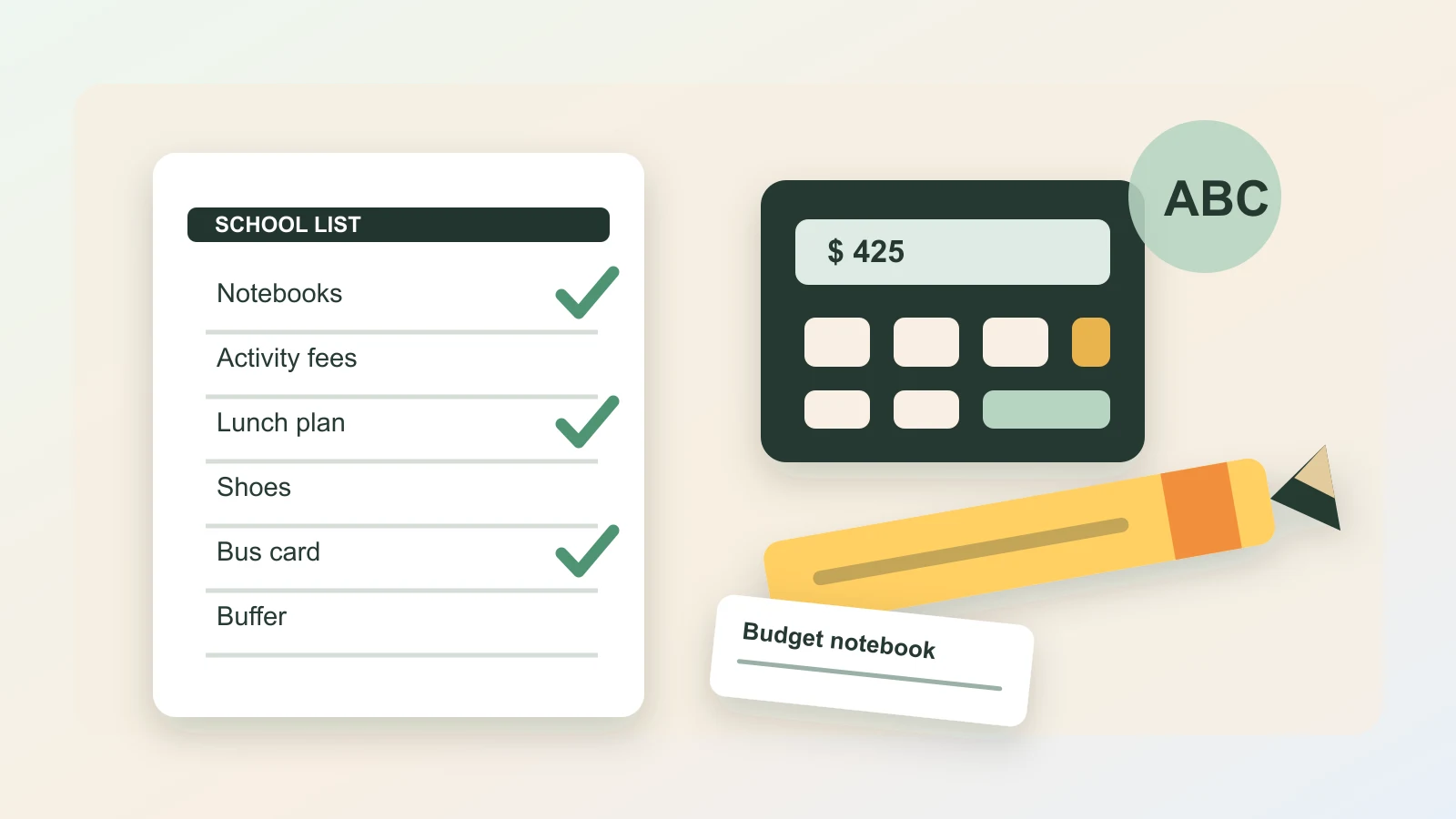
Before you buy anything, collect the actual list from the school, teacher, program, or childcare provider. Then put each item into one of three groups:
- Required for the first week
- Needed later in the term
- Nice to have, optional, or unclear
This simple sort protects you from buying everything at once. Many families overspend because the list feels urgent, not because every item is actually urgent. If an item is unclear, wait until you can confirm it or ask whether shared classroom supplies are still needed.
If you use Furt Money or another expense tracker, create one back-to-school category or tag for the season. That keeps supplies, fees, clothes, lunch gear, and small school purchases visible instead of letting them disappear into general shopping.
Check what you already have
Back-to-school shopping often starts in a store aisle, but the cheapest aisle may be your own home. Do a short inventory before spending:
- Notebooks with unused pages
- Pens, pencils, markers, folders, binders, and glue
- Lunch containers, water bottles, ice packs, and food storage
- Shoes, uniforms, sports clothes, and jackets
- Chargers, headphones, calculators, or basic tech accessories
Make the inventory quick and practical. You do not need a perfect system. You only need to know what is usable, what is missing, and what can wait. Let kids help check supplies when they are old enough; it can make the budget feel like a shared project instead of a sudden set of restrictions.
Build one number before you shop
After the list and inventory, choose a total spending limit. This is the number that has to fit your real month, not the number that would be convenient in a perfect month.
Include categories such as:
- School supplies
- Clothing, shoes, uniforms, and bags
- Activity, sports, club, or registration fees
- Lunch boxes, snacks, and meal prep items
- Transportation changes
- Haircuts, photos, forms, or small admin costs
- A small buffer for forgotten items
The buffer matters. School seasons almost always include one extra folder, form fee, uniform piece, or event cost. A modest buffer keeps the surprise from becoming a credit card reflex.
Shop in phases
Buying in phases is one of the easiest ways to stay calm. Try a three-part plan:
- First-week essentials: items the child truly needs to start
- First-month needs: clothing, lunch routines, and activity costs that become clear after school begins
- Later-term replacements: supplies that can be bought when they run out
This approach is especially useful when money is tight or schedules are changing. It also reduces duplicate purchases. A teacher may adjust the list, a child may not use every item, or an activity may change after tryouts, placement, or scheduling.
Phased shopping is not procrastination. It is a way to spend with better information.
Watch the hidden routine costs
The school year changes daily routines, and routines change spending. Supplies get attention, but the budget pressure often comes from the repeat costs that follow:
- Packed lunches or cafeteria meals
- After-school snacks
- Extra fuel, transit, rides, or parking
- Childcare gaps before or after school
- Activity nights that lead to takeout
- Weekend events, fundraisers, and class contributions
Choose a weekly rhythm for these costs. For example, decide how many cafeteria meals fit the budget, which nights need easy dinners, and how much you can set aside for school events. A clear routine prevents every busy night from becoming a fresh spending decision.
Use simple rules for clothing and gear
Clothing and gear can get emotional because kids grow, trends change, and school can bring social pressure. A few rules make the decisions easier:
- Replace what no longer fits, is worn out, or is required
- Buy basics first, preferences second
- Set a limit for trend-based items
- Keep one future-size bin or list if hand-me-downs are part of your household
- Wait on activity-specific gear until the activity is confirmed
These rules are not about saying no to everything. They help you say yes in a way that matches the budget. If a child wants one special item, consider giving that item its own mini limit so the rest of the list does not get squeezed.
Review the category after the first month
The first month of school gives you better data than the week before school starts. Once routines settle, review what actually happened:
- Which costs were one-time purchases?
- Which costs will repeat every week or month?
- Did lunch, transport, or childcare cost more than expected?
- Which categories should move into the normal monthly budget?
- What should be saved for earlier next year?
This is where a spending tracker becomes useful. In Furt Money, reviewing the back-to-school category can show whether the pressure came from supplies, clothing, food, fees, or routine changes. That makes next year’s plan easier and helps this year’s monthly budget stay realistic.
The next step
Pick one quiet hour before the school routine gets busy. Gather the school list, check what you already have, choose a total limit, and decide what belongs in the first shopping phase.
A back-to-school budget does not need to predict every pencil, fee, or snack. It just needs to give the season enough structure that your regular money plan can keep breathing.