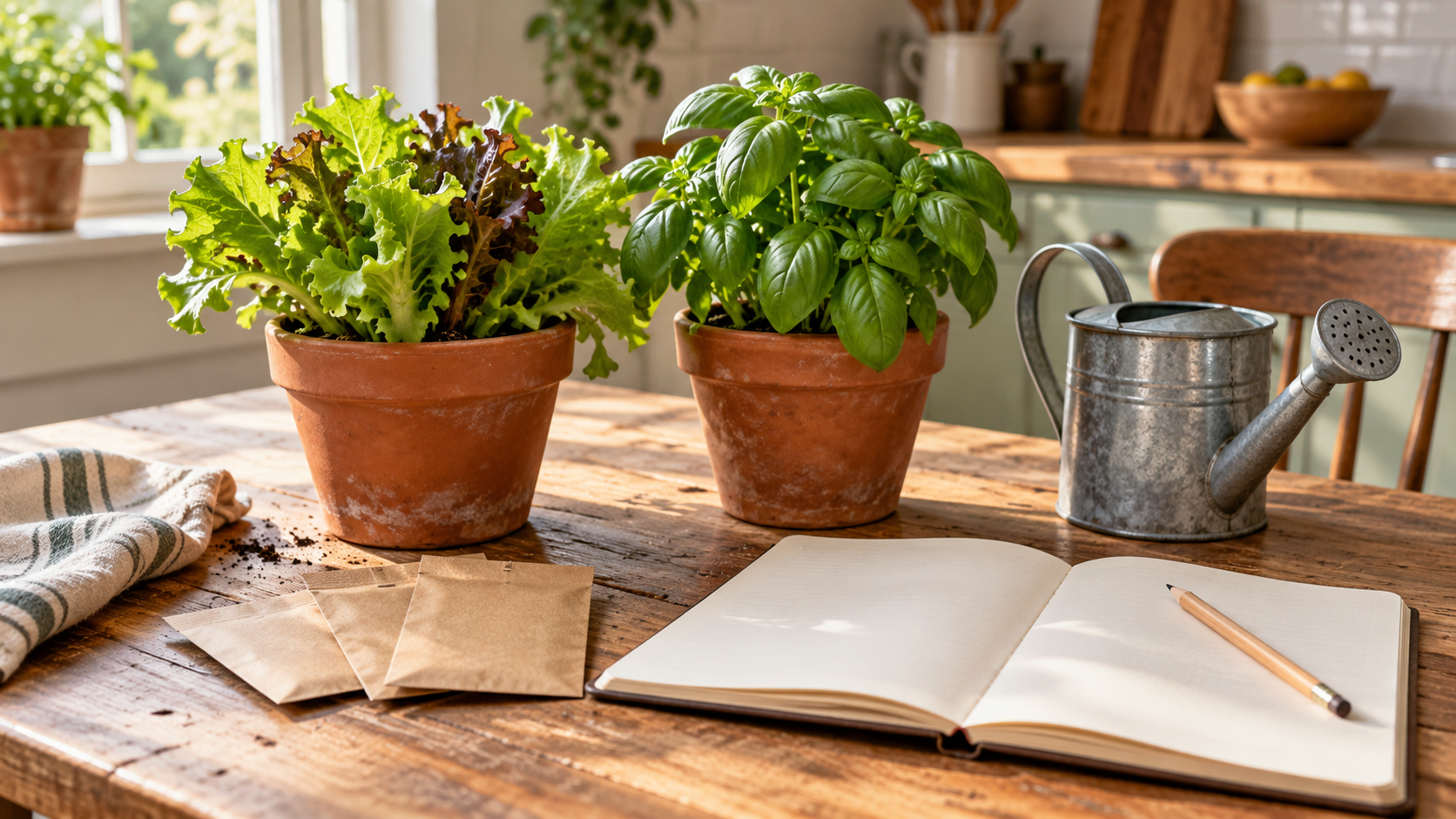
Vegetable Garden Budget: Grow Food Without Assuming It Saves Money
A vegetable garden budget separates setup costs, repeat supplies, and food you actually use. Start small and compare the harvest with your grocery spending honestly.
Topic
9 guides to help you understand the essentials and make a more confident next move.
A vegetable garden budget separates setup costs, repeat supplies, and food you actually use. Start small and compare the harvest with your grocery spending honestly.
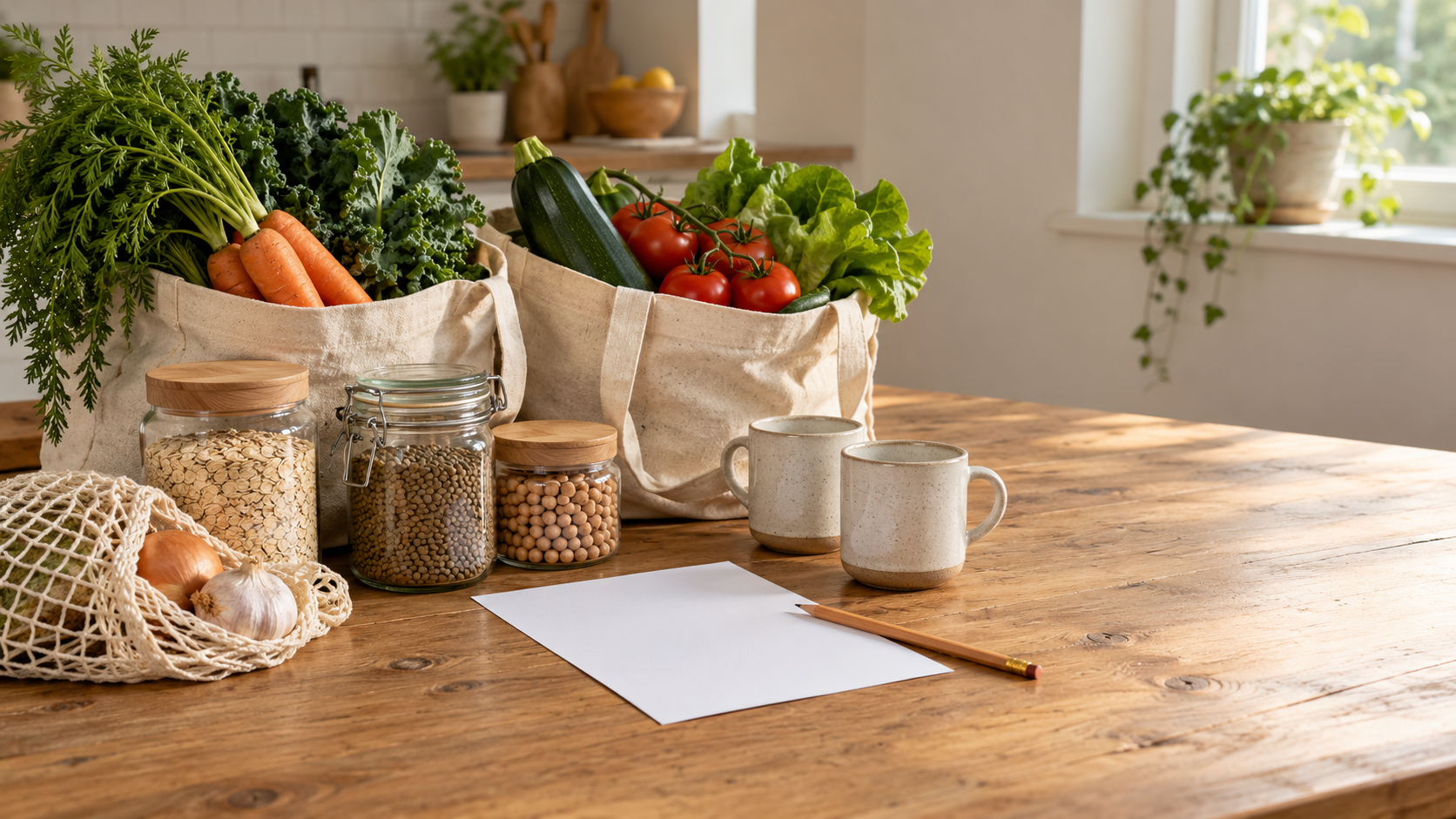
Build a shared grocery budget for roommates with clear rules for staples, individual food, shopping limits, repayments, and leftovers.
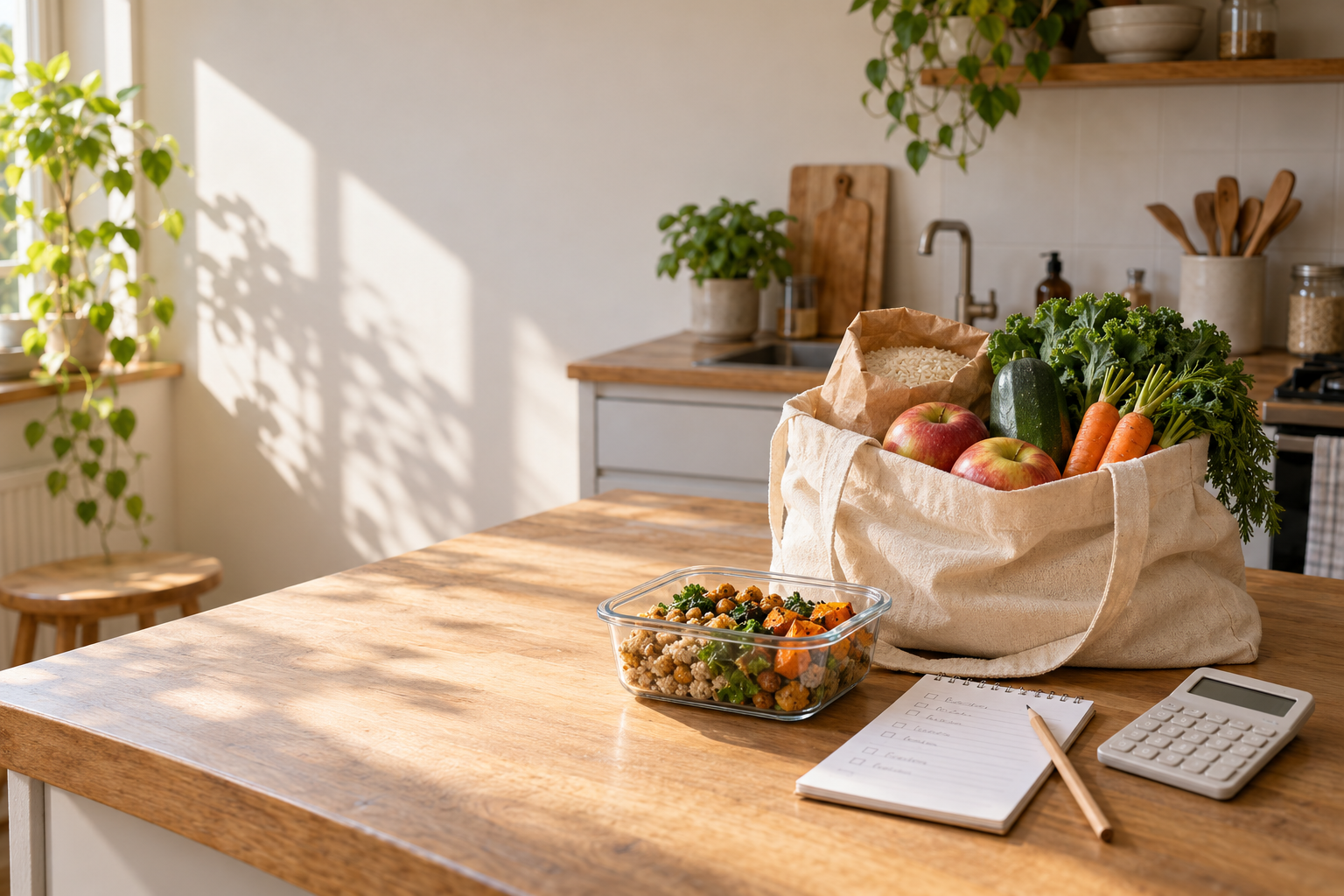
Build a one-person grocery budget around the meals you will actually eat. Compare usable portions, shop in small rounds, and keep food waste from quietly raising your costs.
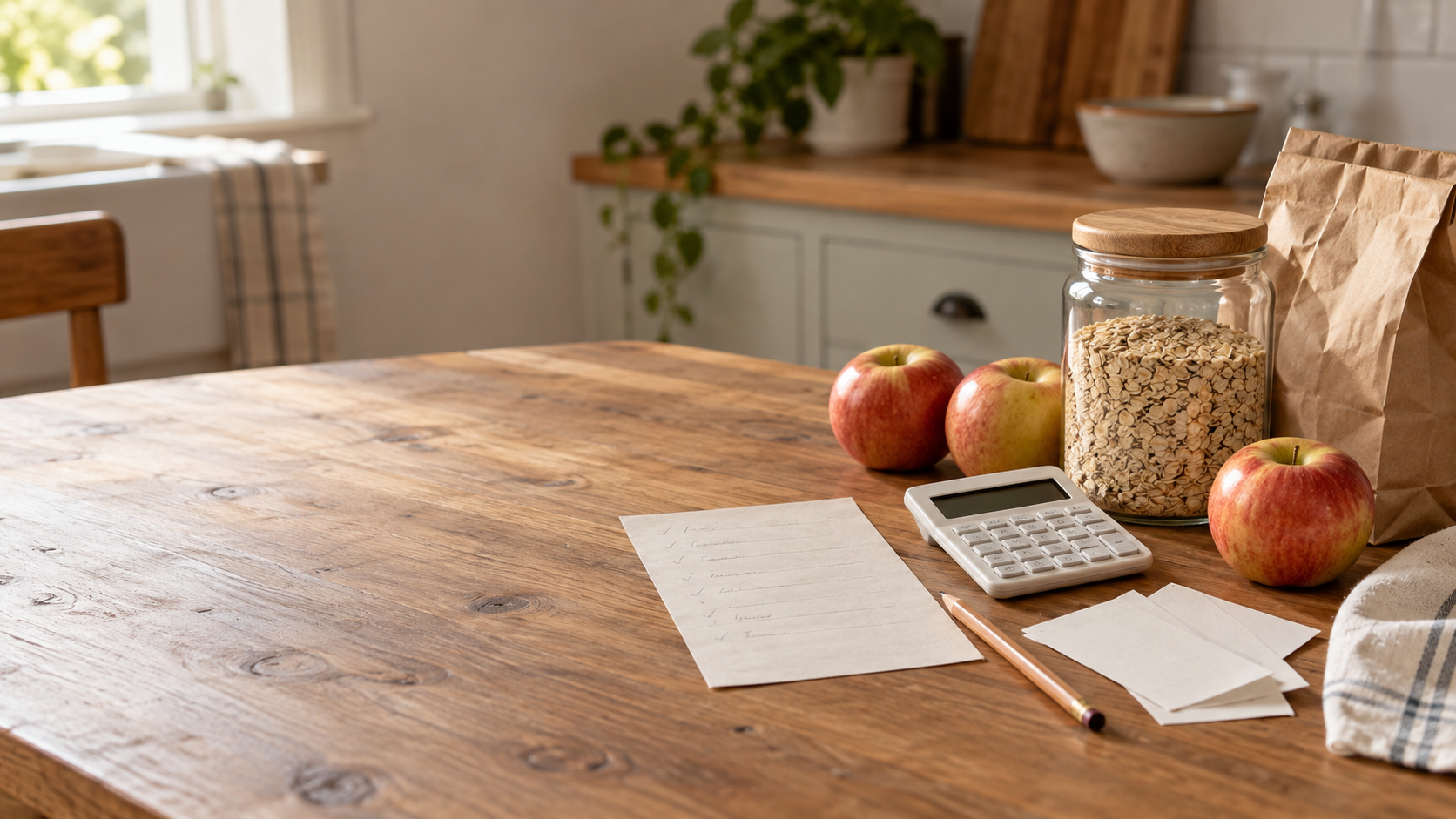
Use a coupon budget checklist to compare the final price, avoid extra purchases, and keep discounts from quietly stretching your grocery bill.
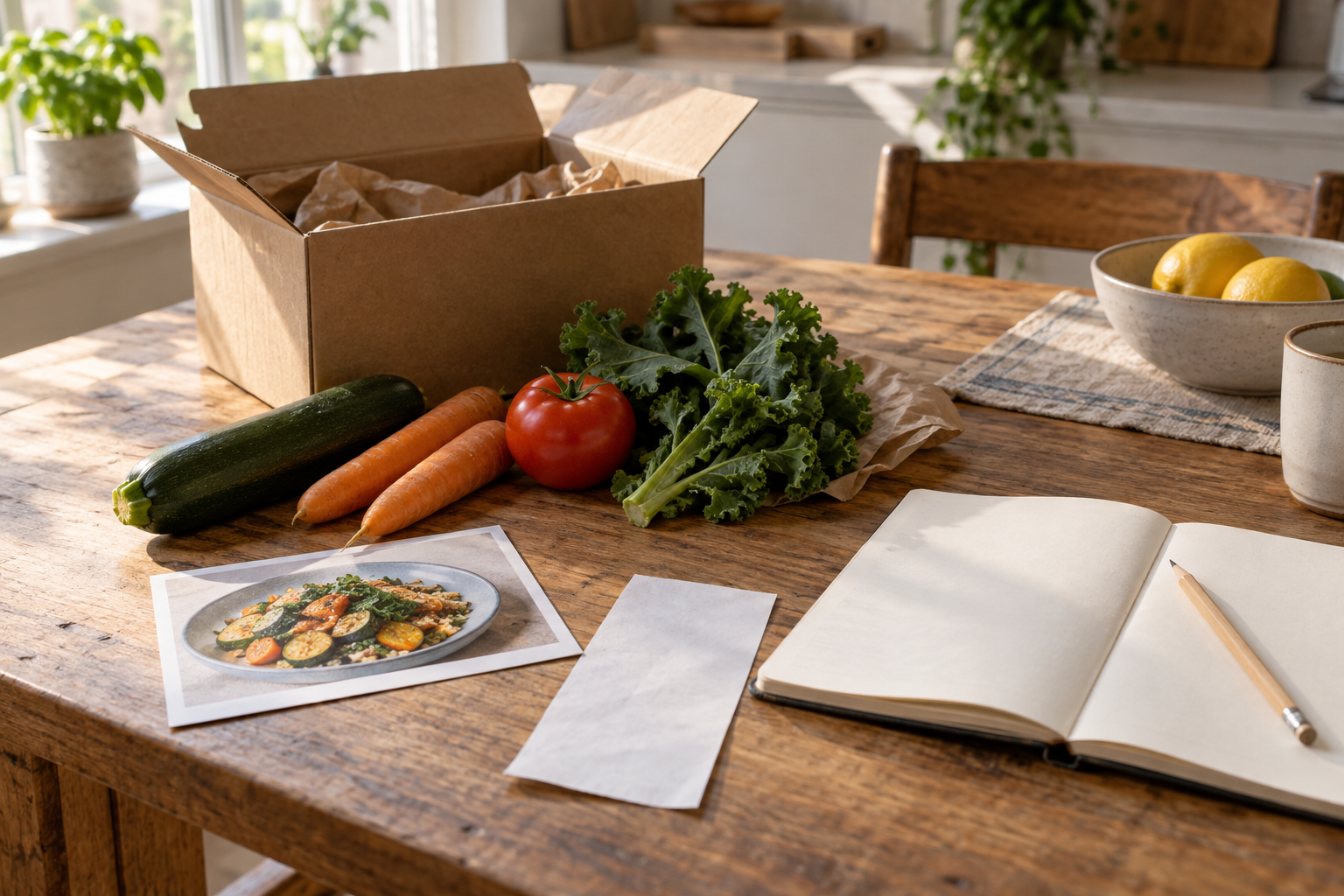
A meal kit budget helps you compare delivered recipes with your usual groceries after delivery fees, unused portions, pantry extras, and busy-week changes.
A grocery bulk buying budget helps you compare unit value, storage space, meal fit, spoilage risk, and cash flow before buying more than you can use.
A grocery delivery budget helps you plan fees, tips, substitutions, impulse add-ons, and pantry gaps before convenience quietly inflates food spending.
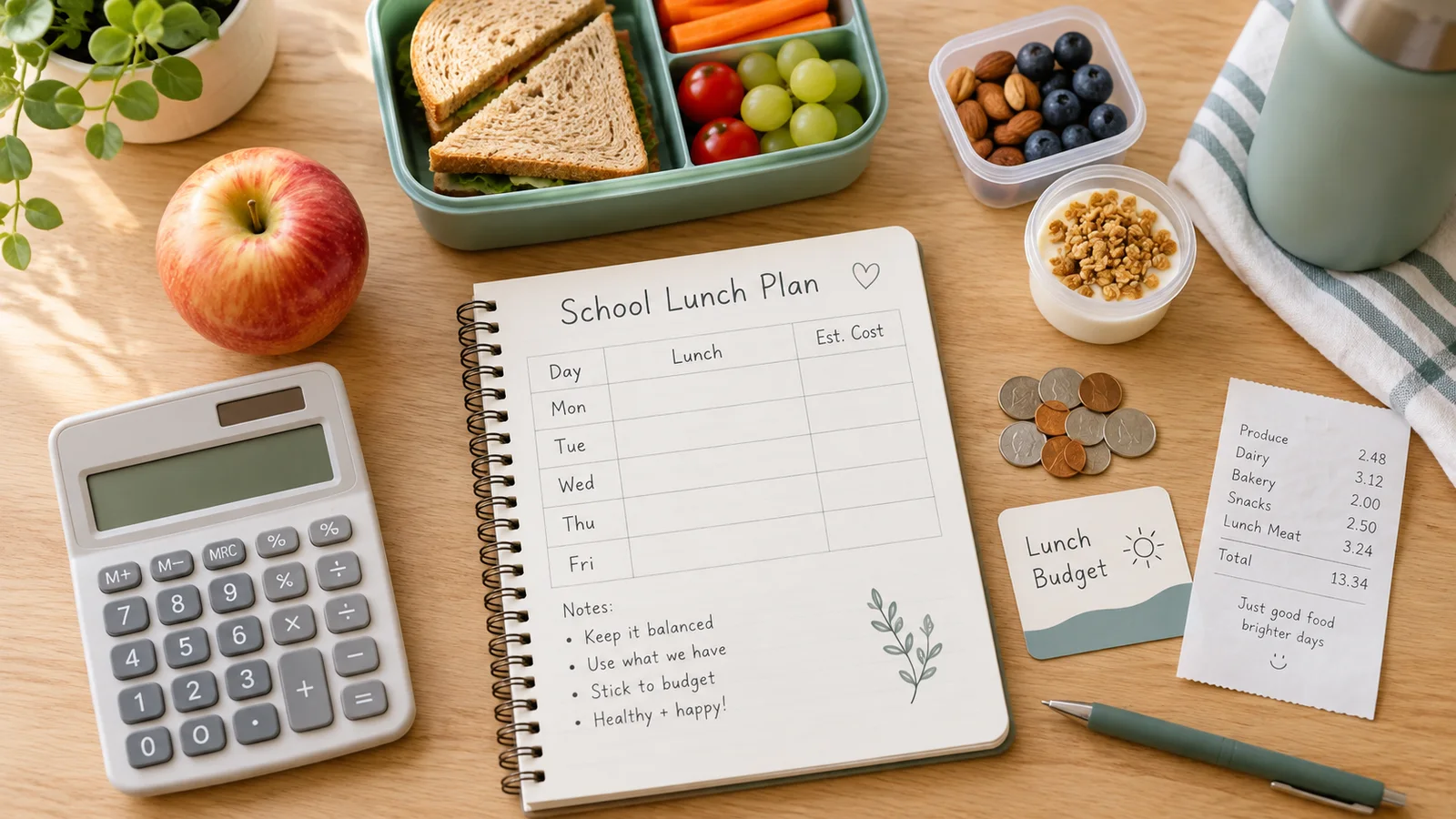
A school lunch budget helps families plan cafeteria meals, packed lunches, snacks, and busy-week food costs without letting small daily choices blur the monthly plan.
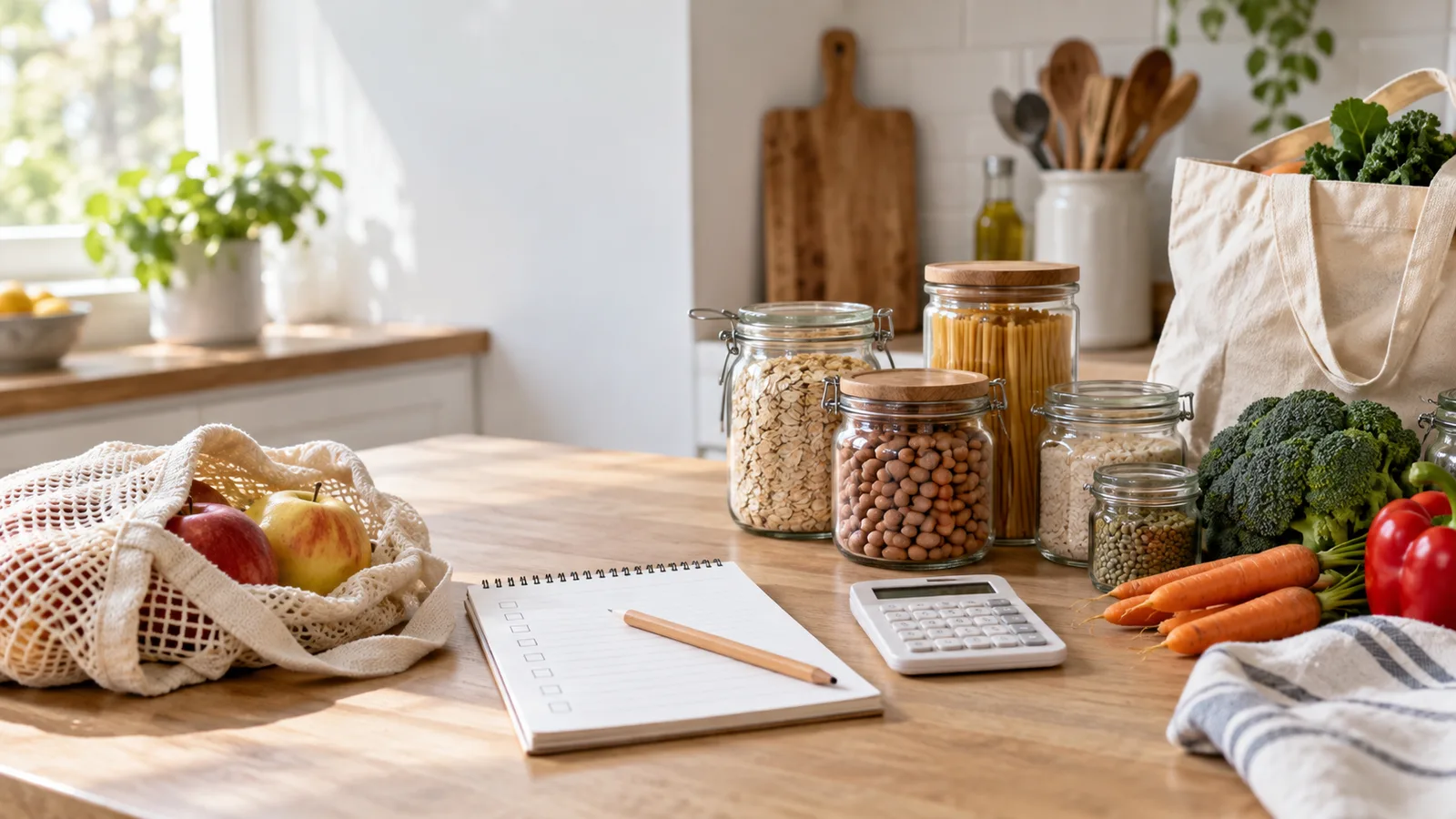
A pantry budget helps you use the food you already have, plan smarter grocery trips, and keep weekly food spending from drifting upward.