An emergency fund can sound like a huge project, especially if your budget already feels tight. The phrase often brings up big targets, months of expenses, and a sense that you are behind before you even start.
A starter emergency fund is different. It is a small cash cushion built for the first wave of real-life surprises: a repair, a missed shift, a medical copay, a school fee, a replacement charger, or a bill that arrives earlier than expected. It does not solve every problem, but it can stop a manageable inconvenience from becoming a debt spiral.
The goal is simple: save a first amount you can reach, keep it separate enough to protect, and use it only when a true budget shock appears.
Start with a first target you can believe
The best starter emergency fund target is not the biggest number you can imagine. It is the smallest number that would clearly make next month less fragile.
Choose a first target that feels meaningful but reachable. That might be:
- One week of groceries
- One utility bill
- A small car, transit, or phone repair
- A full insurance deductible contribution
- One rent or mortgage buffer payment
- A fixed amount that would keep you from using a credit card for a minor surprise
If a large goal makes you freeze, start smaller. A first cushion of even a few saved transfers can change how you handle a stressful bill. You can always raise the target after the first one is complete.
Write the number down and give it a clear name, such as “first emergency cushion” or “starter safety fund.” A named goal is easier to protect than money that sits vaguely inside checking.
Define what counts as an emergency
Without a rule, an emergency fund becomes easy to raid for anything that feels urgent in the moment. Before you save much money, decide what the fund is for.
Good starter emergency fund uses usually include:
- Necessary repairs you cannot safely delay
- Essential bills after a temporary income gap
- Health, family, or travel needs that cannot wait
- Replacement of a required item, such as work shoes, a phone, or a basic appliance
- A short bridge when pay arrives later than expected
Common non-emergency uses include:
- Planned holidays, birthdays, and gifts
- Routine car maintenance
- Annual subscriptions
- Clothes you can wait to buy
- Takeout, entertainment, or convenience spending
- A sale that feels too good to miss
Those non-emergency costs still matter. They just need their own budget categories or sinking funds. Keeping the starter emergency fund narrow helps it stay available for the moments that would otherwise disrupt the whole month.
Find the money inside real spending
You do not need a dramatic lifestyle change to begin. A starter emergency fund often grows from small amounts that become visible through tracking.
Look through recent expenses and ask:
- Which category surprised me last month?
- Which purchases were fine once, but repeated more than I expected?
- Which subscriptions, fees, or app purchases could pause for one month?
- Which cash leaks happen when I am tired, rushed, or unprepared?
- Which planned expense has already passed and can stop taking space in the budget?
If you use Furt Money to categorize spending, review the last few weeks by category instead of trying to remember every purchase. You are looking for one realistic transfer, not a perfect overhaul: a small weekly amount from dining out, a refund that usually disappears into checking, or a bill that came in lower than expected. Then set the cushion up as a savings goal (“Save 500 for a starter emergency fund by June”) so each transfer is set aside rather than counted as spending, and the app shows how much to add each month. What you set aside also comes off the app’s safe-to-spend figure, so the cushion stops looking like spare money.
The best savings source is one you can repeat without creating another problem. Avoid funding the emergency cushion by skipping essentials or underpaying bills. That only moves the emergency to a different category.
Separate the cushion from daily spending
A starter emergency fund should be easy enough to access when needed, but not so visible that it feels like spare spending money.
Simple options include:
- A separate savings account at your existing bank
- A labeled pocket or vault if your bank offers one
- A second checking account used only for buffers
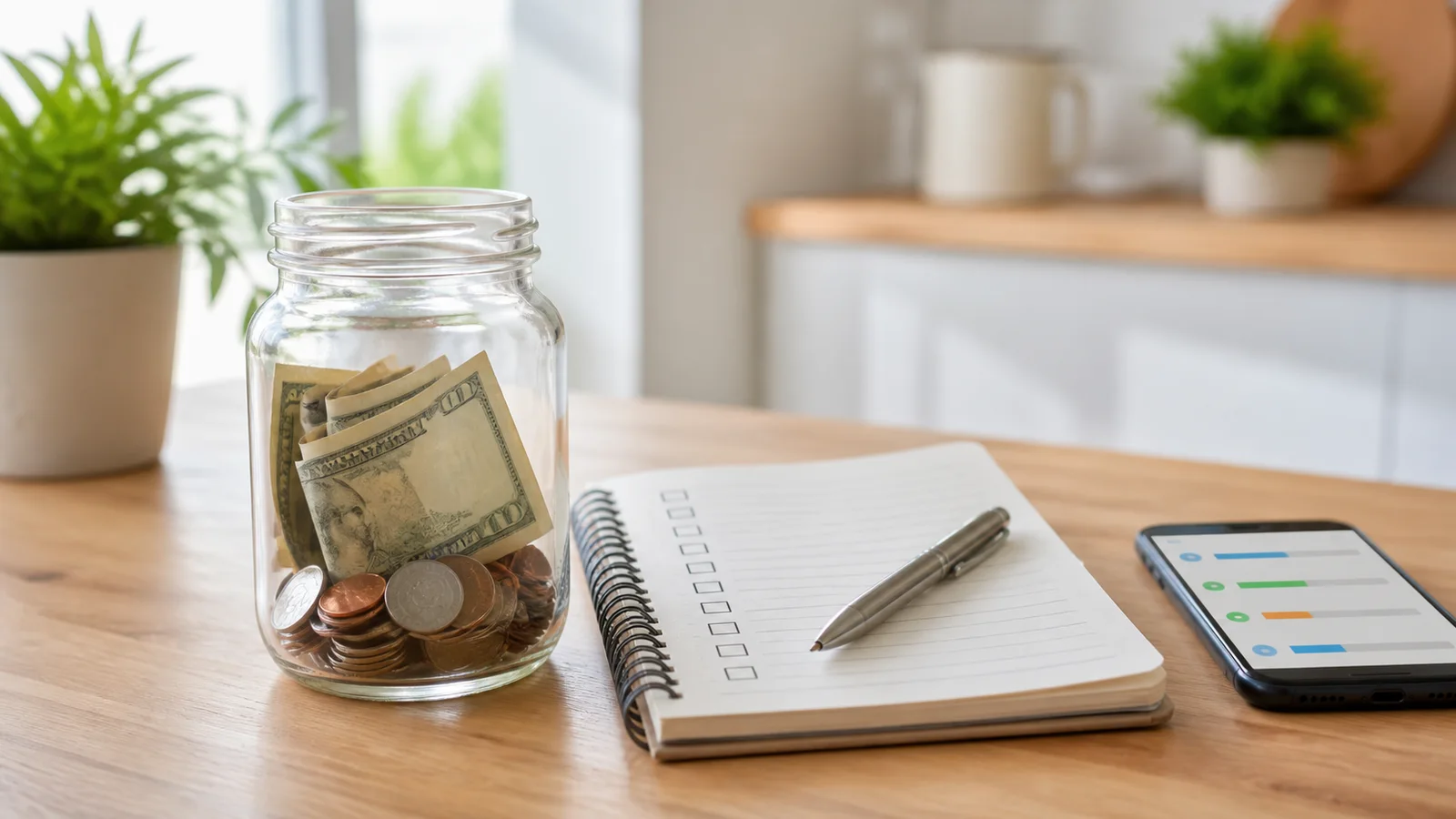
- A clearly marked cash envelope for very small starter goals
Keep the setup boring. The fund does not need complicated optimization. It needs a boundary.
If the money stays in your main checking account, it may blend into the balance you use for groceries, bills, and everyday purchases. That makes it harder to know whether you are truly safe to spend. Separating the cushion gives your budget a cleaner signal: checking is for the current plan, and the emergency fund is for the plan breaking.
Automate a small transfer after payday
Manual saving works when life is calm. Automatic saving helps when life gets busy.
Set a small transfer soon after money arrives, even if it feels unimpressive. The point is to create a default behavior. A small automatic transfer that happens every payday is more useful than an ambitious transfer you keep postponing.
Use a rhythm that matches how you are paid:
- Weekly pay: transfer a small amount each payday
- Biweekly pay: transfer after each paycheck clears
- Monthly pay: transfer right after essential bills are mapped
- Irregular pay: transfer a percentage or fixed amount only after baseline expenses are covered
If cash flow is tight, start with the lowest amount that will not cause overdraft stress. You can also use a rule-based transfer, such as moving leftover grocery money at the end of the week or moving part of every refund into the emergency fund.
The amount matters less than the repeatable pattern. The habit is the engine.
Rebuild it without guilt after using it
Using an emergency fund can feel discouraging because the balance drops. But that is exactly what the fund is for.
When you use it, do three things:
- Name the emergency clearly.
- Move only the amount needed.
- Create a simple refill plan before normal spending expands again.
For example, if the fund covers a repair, decide whether to pause one flexible category, redirect the next refund, or add a small temporary transfer until the starter target is restored.
Do not treat a used emergency fund as failure. Treat it as proof that the cushion did its job. The real win is avoiding a late fee, avoiding new debt, or keeping essentials steady during a messy week.
Keep emergency savings separate from sinking funds
Some costs feel surprising even though they are predictable. Car registration, school supplies, annual fees, holiday travel, insurance premiums, and appliance maintenance may not happen monthly, but they are not true emergencies.
That is where sinking funds help. A sinking fund is money set aside for a known future cost. An emergency fund is money set aside for unknown timing or unexpected disruption.
Use this rule:
- If you know the cost is coming, make a sinking fund.
- If you do not know whether or when it will happen, keep it in emergency savings.
This protects the starter fund from being drained by normal life. It also makes your budget more honest. A bill that arrives every year is not a surprise just because it is annoying.
Review the fund once a month
A starter emergency fund should grow with your life, but it does not need constant attention.
Once a month, check:
- Current balance
- Original starter target
- Any emergency withdrawals
- Any planned refill transfers
- Whether your first target still feels useful
- Whether a separate sinking fund would prevent repeat withdrawals
When the first target is complete, choose the next step. You might increase the cushion, start a sinking fund for irregular costs, or focus on high-interest debt while keeping the starter fund intact.
The key is to avoid drifting. If the fund is complete, celebrate the stability and decide what the next dollar should do. If it is not complete yet, keep the transfer small and steady.
The next step
Pick one starter emergency fund target before your next payday. Make it specific, separate it from daily spending, and set one small transfer that can repeat.
You do not need to build the perfect safety net all at once. Start with the first cushion that keeps an ordinary surprise from taking over your whole budget.