Talking about money with another person can feel strangely heavy, even when the actual topic is small. A grocery category runs high. A subscription renews. One person books dinner while the other is trying to rebuild savings. Suddenly the conversation is not really about the purchase. It is about trust, timing, stress, and whether both people feel like they are carrying the same plan.
A money date gives those conversations a place to land. It is a short, repeatable check-in for couples, roommates, family members, or anyone who shares bills and spending decisions. The goal is not to turn your relationship into a finance meeting. The goal is to stop money from appearing only during emergencies, surprises, or arguments.
Use this money date checklist as a simple routine. Keep it practical, keep it kind, and leave with one or two decisions you can actually follow.
Choose a low-pressure time
The timing of a money conversation matters. If you start when someone is hungry, rushed, embarrassed, or already upset, the same numbers can feel harder to hear.
Pick a time when both people can give the conversation a little attention. For many households, that might be:
- The evening after payday
- A weekend morning before errands
- The first Sunday of the month
- The day before rent or major bills are due
- A quiet night after dinner
Keep the first few money dates short. Twenty or thirty minutes is enough. A smaller check-in that actually happens is better than a long monthly review that everyone avoids.
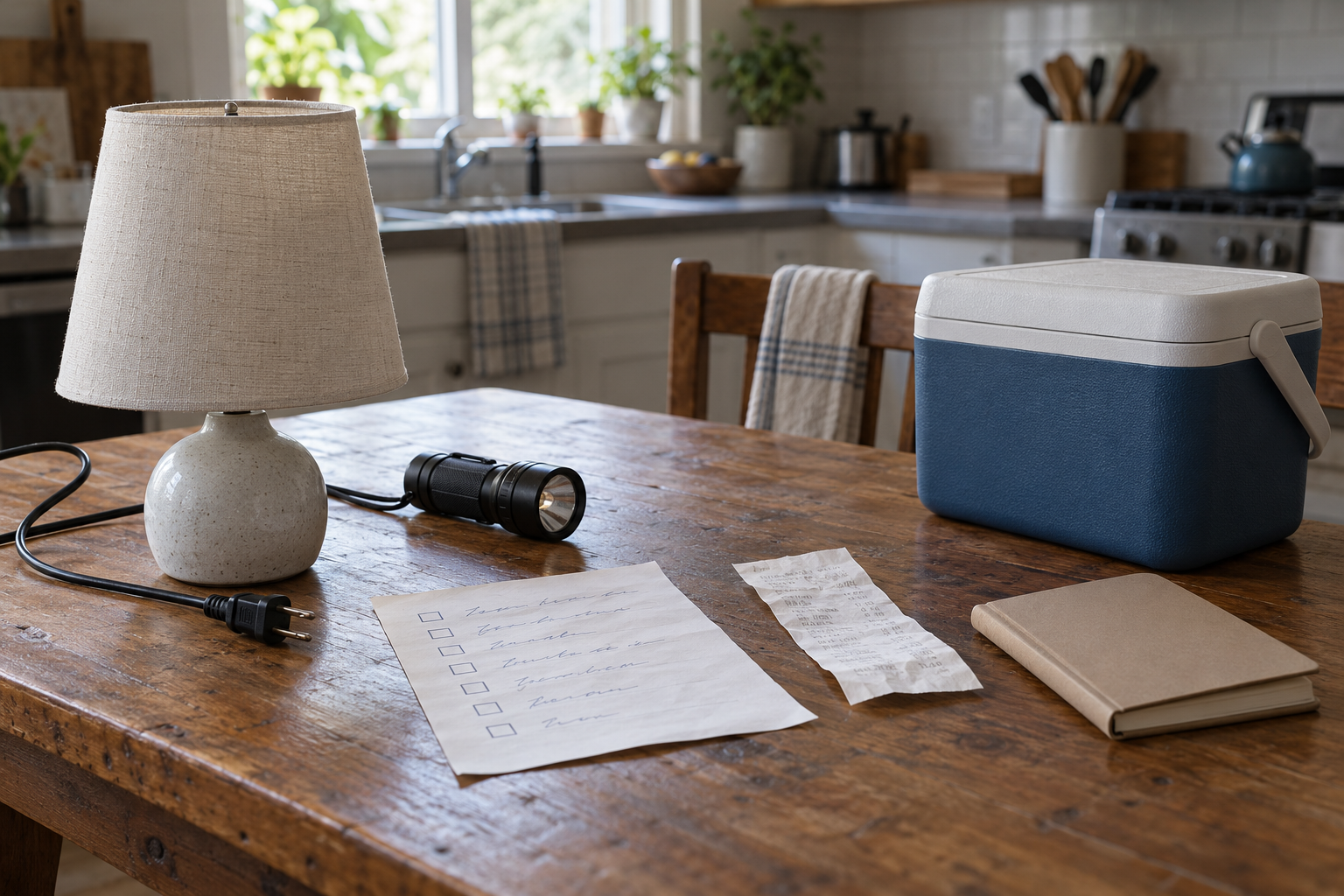
It can also help to choose a comfortable setting. Sit at the kitchen table, take a walk after reviewing the numbers, or pair the check-in with coffee. Do not make the setting so special that it becomes hard to repeat. The routine should feel ordinary enough to survive a busy month.
Start with the shared goal
Before you open accounts or look at transactions, remind each other what the budget is supposed to protect. Shared money conversations go better when they start with purpose instead of blame.
Your shared goal might be:
- Keeping rent, bills, and groceries covered without last-minute stress
- Saving for a move, wedding, baby, trip, or emergency fund
- Paying down a card balance without making daily life miserable
- Building a clearer household budget after moving in together
- Giving each person spending room without constant negotiation
Say the goal in plain language. For example: “We want the next two weeks to feel less tight” or “We want to save for the trip without putting groceries on the credit card.”
This step keeps the conversation pointed toward a shared outcome. You are not two people defending separate receipts. You are two people trying to make the next set of choices easier.
Review the current money picture
Once the goal is clear, look at the basics together. You do not need to review every account in painful detail. You need enough information to make decisions based on the same reality.
Check:
- Current checking balance for shared expenses
- Upcoming income that is reasonably certain
- Bills due before the next payday
- Credit-card balances used for household spending
- Savings set aside for shared goals or irregular costs
- Any reimbursement, transfer, or payment that is still pending
If you use Furt Money to track expenses, this is a good moment to review recent categories and spot any pattern that needs attention. Maybe takeout is higher than expected. Maybe household supplies are being hidden inside a general shopping category. Maybe one subscription is still renewing even though nobody uses it.
Try to describe what you see before deciding what it means. “Dining out is already near the monthly limit” lands better than “You spent too much on restaurants.” Facts are easier to solve than accusations.
Sort decisions into now, soon, and later
Many money arguments happen because every decision feels urgent at the same time. A money date should separate what needs action now from what simply needs a place on the list.
Use three buckets:
- Now: bills due soon, overspending that could affect essentials, transfers that need to happen today, or a purchase that needs a yes or no
- Soon: costs coming in the next few weeks, category limits that need adjusting, or a plan for the next payday
- Later: bigger goals, future travel, furniture, debt strategy, insurance reviews, or anything that deserves more time
This helps both people relax. Not every topic needs to be solved in one sitting. If a decision belongs in the later bucket, schedule when you will revisit it and move on.
For example, choosing whether to cancel an unused membership may be a now decision. Deciding whether to move apartments next year is probably a later decision. Mixing those two topics in the same emotional moment can make both harder.
Make room for personal spending
A shared budget should not require both people to explain every small purchase. Even in a careful month, adults need some money they can spend without a meeting.
If possible, agree on a personal spending amount for each person. It does not have to be equal in every household, but it should feel fair and explicit. This category can cover coffee, hobbies, small treats, gifts, or other purchases that do not need approval.
The number should fit the rest of the budget. If the month is tight, personal spending may need to shrink temporarily. If the household is on track, it may grow. The point is to prevent constant permission-seeking and quiet resentment.
Set a clear line between personal spending and shared spending. A solo lunch might be personal. Groceries for the house are shared. A hobby purchase might be personal. A repair for a shared car is shared. Clear labels reduce repeat arguments.
Talk about one tension at a time
If something is bothering one of you, bring it into the conversation carefully. A money date should not become a list of complaints, but it should be honest enough to be useful.
Pick one tension and make it specific:
- “I feel nervous when the card balance grows before payday.”
- “I want us to plan gifts earlier so they do not surprise the budget.”
- “I need more notice before we commit to social plans that cost money.”
- “I feel like groceries are too low for how we actually eat.”
- “I want us to decide what counts as a shared expense.”
Then ask for the other person’s view. You may discover a practical reason behind the pattern. Maybe one person is buying household items that never get discussed. Maybe the grocery number is unrealistic. Maybe a stressful work week led to convenience spending. The explanation does not erase the budget impact, but it does point to a better fix.
Stay away from permanent labels like “always” and “never.” They make the other person defend their character instead of helping solve the money issue.
End with two clear actions
The best money date ends with a small plan, not a vague promise to “be better.” Choose one or two actions and write them down.
Useful actions include:
- Move a set amount to savings after payday clears
- Cancel or pause one recurring charge
- Set a grocery limit for the next seven days
- Pay a specific bill before its due date
- Decide who will handle a provider call or reimbursement
- Adjust one budget category that has been unrealistic
- Delay one non-urgent purchase until the next check-in
- Add an upcoming expense to the calendar
Make each action specific enough that both people know what done looks like. “Spend less” is hard to follow. “Keep restaurant spending under this amount until Friday” is clearer.
If you use a budget app, update categories before you close the conversation. If you use a calendar, add due dates while you are still sitting together. A decision that goes straight into the system is less likely to disappear.
Keep a tiny record
You do not need meeting minutes. A few notes are enough:
- Date of the money date
- Account or budget snapshot
- Decisions made
- Follow-up tasks
- One thing to revisit next time
These notes help reduce repeat conversations. If you already agreed to pause a subscription or increase the grocery category, you can refer back to the note instead of debating from memory.
Over time, the record can also show progress. You may notice fewer surprise bills, fewer tense conversations, or a savings goal that is finally moving. That kind of evidence matters because money habits often improve quietly before they feel impressive.
A simple money date checklist
Use this flow when you want a calm structure:
- Pick a low-pressure time and set a short timer.
- Name the shared goal for this check-in.
- Review balances, upcoming bills, recent spending, and savings.
- Sort decisions into now, soon, and later.
- Confirm personal spending room for each person.
- Discuss one tension without turning it into a character judgment.
- Choose one or two clear actions.
- Write a short note for next time.
If the conversation gets heated, pause and return later. A money date is useful only if both people can stay present enough to hear each other.
The next step
Set one money date before the next payday. Keep it short, start with the shared goal, and focus on the decisions that affect the next one or two weeks.
You do not need a perfect household budget to have a better money conversation. You need a repeatable place to look at the same numbers, say what needs attention, and choose the next small action together.