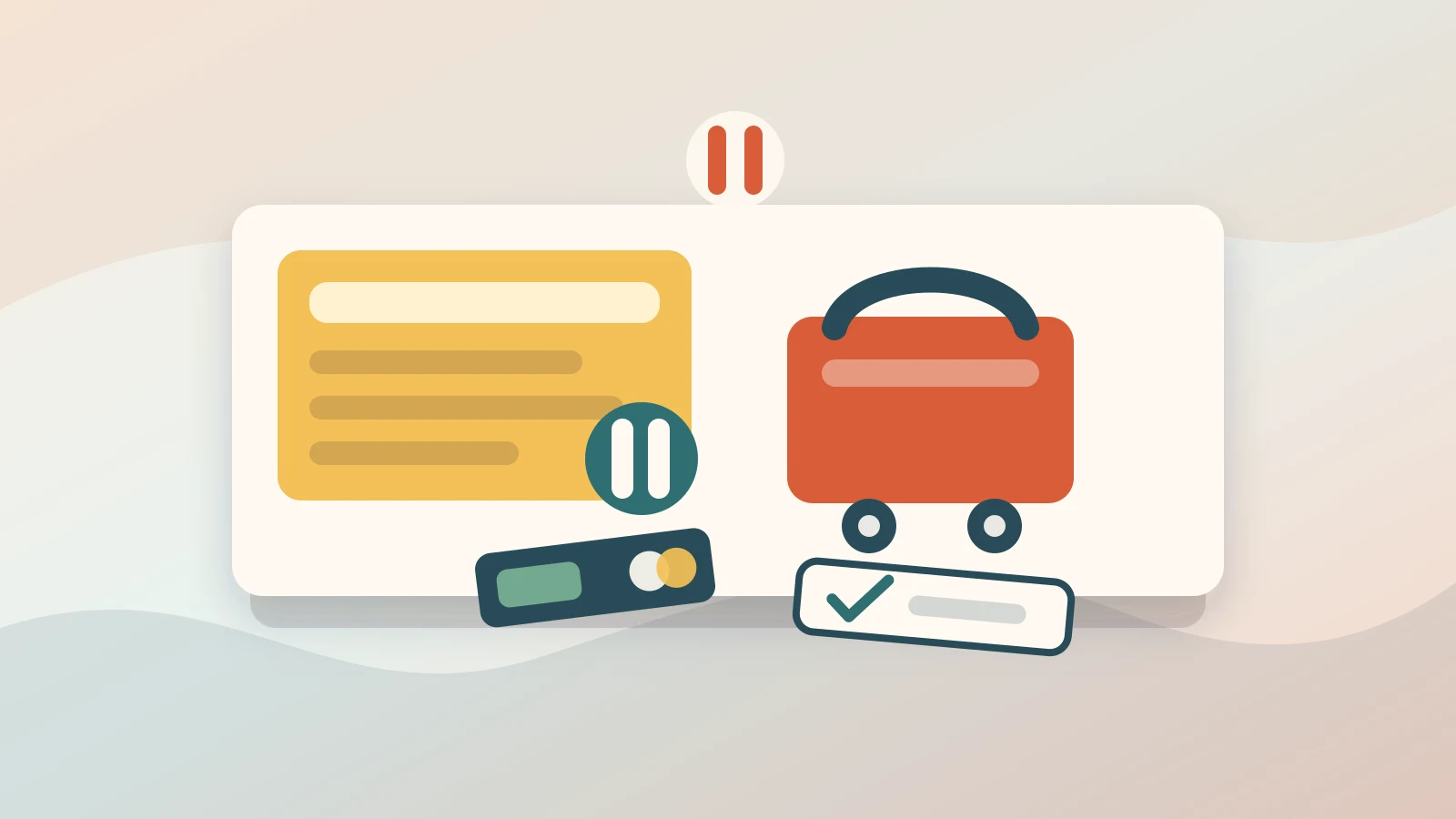
24-Hour Rule for Spending: Pause Before Impulse Buys
The 24-hour rule for spending gives you a simple pause between wanting something and buying it, so your budget has time to catch up with your impulses.
Safe-to-spend estimator
Enter your flexible budget for the month, what you have already spent and any bills still coming. The estimator shows your remaining amount, a daily figure that is safe to spend and whether you are ahead of or behind pace.
Runs entirely in your browser. Nothing you type is sent anywhere; it is only remembered on this device so you can come back to it.
Only flexible spending: groceries, transport, eating out, fun.
Bills still due are reserved before the daily amount is calculated, so a rent payment on the 28th cannot be spent on the 12th.
Match the way your money arrives.
Good to know
It is the amount you can spend on flexible things today without going over your budget for the period. The estimator takes your flexible budget, subtracts what you have already spent and any bills still due, and divides what is left by the days remaining, including today.
Only the money that is genuinely up to you day to day: groceries, eating out, transport top-ups, shopping and fun. Fixed costs such as rent, subscriptions and loan payments are better handled as bills, either already paid or entered under bills still due.
Many people think in pay cycles rather than calendar months. If you get paid on the 25th, a budget period that runs from the 25th to the 24th matches how the money actually flows, and the daily figure becomes more honest.
It means the remaining budget is already spoken for. That is useful information, not a verdict. Options include moving money from a want you have not spent yet, pausing non-essentials for a few days, or adjusting the budget for next period based on what actually happened.
These tools use simple arithmetic and common budgeting guidelines. They do not know your full situation and are not a substitute for personalised financial advice.
Keep reading
The 24-hour rule for spending gives you a simple pause between wanting something and buying it, so your budget has time to catch up with your impulses.
A checking account buffer gives your everyday money a small cushion before bills, subscriptions, and card swipes collide. Learn how to set one up without confusing it with savings.
A financial reset day helps you catch up on missed tracking, clean up categories, and make a calmer plan for the next pay cycle or month.
More free tools
Meet the app
Track spending, plan budgets, and understand where your money goes—privately and without the spreadsheet headache.