Impulse spending is rarely about one dramatic purchase. More often, it is a string of quick decisions that felt harmless in the moment: a delivery order, a sale item, an upgrade, a second cart you forgot you were building. The 24-hour rule for spending gives those decisions a little space.
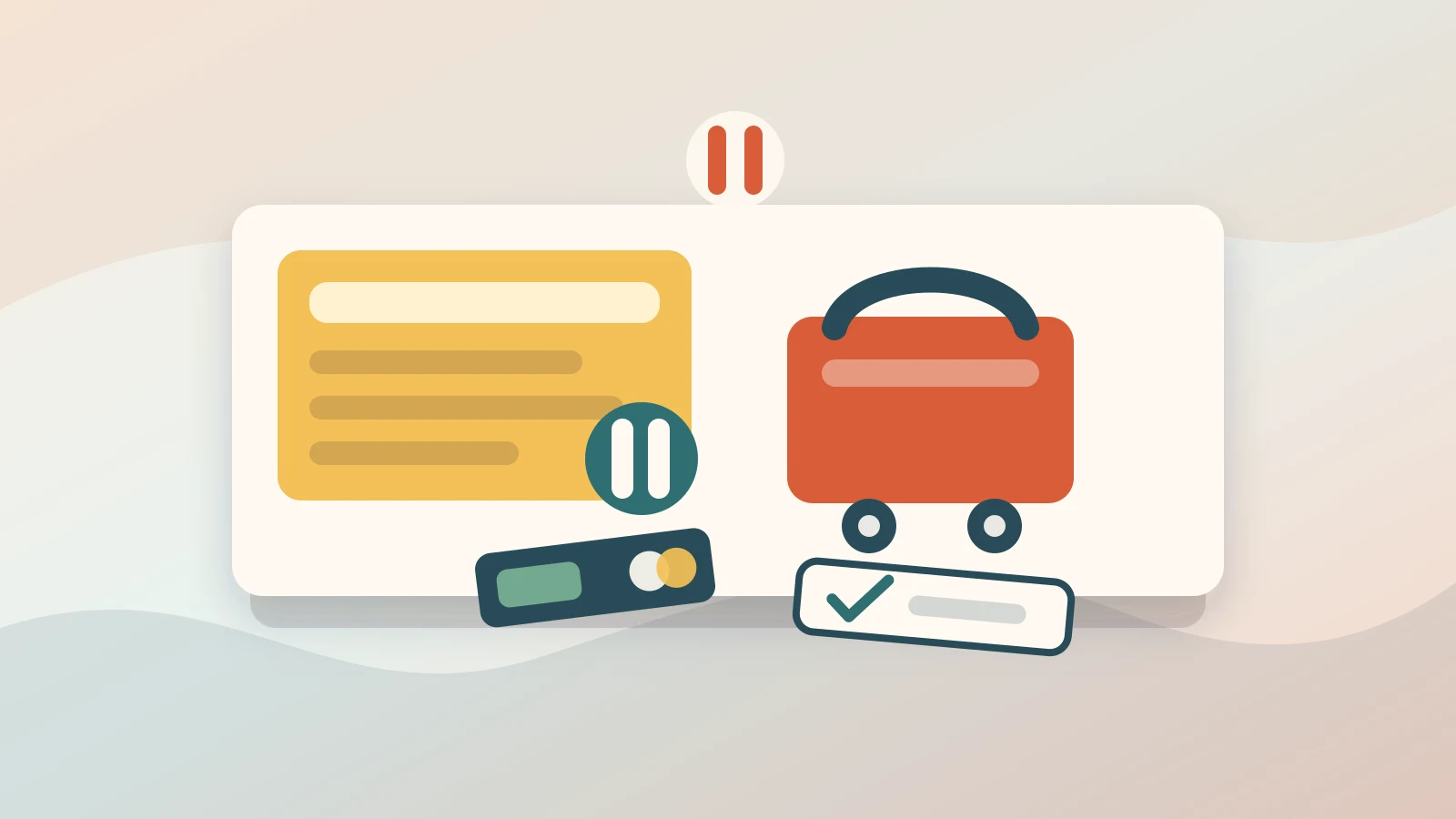
The rule is simple: when you want to buy something that is not essential or already planned, wait 24 hours before checking out. You are not banning yourself from spending. You are creating a pause long enough to ask whether the purchase still makes sense.
That pause can protect your budget without turning every decision into a spreadsheet.
What the 24-hour rule is
The 24-hour rule is a waiting period for unplanned purchases. Instead of buying immediately, you save the item, step away, and return to it the next day.
It works best for flexible spending, such as:
- Clothes and accessories
- Home decor
- Gadgets and small electronics
- Hobby supplies
- App upgrades or digital products
- Restaurant delivery when food is already available
- Sale items you did not plan to buy
The point is not to delay rent, medicine, groceries, transportation, or urgent repairs. Essentials should be handled when they need to be handled. The rule is for purchases where time is available and pressure is mostly emotional.
Why a short pause works
Many purchases feel more important when they are close. A discount timer, a full cart, a stressful day, or a polished product page can make a want feel like a need. Waiting changes the setting.
After 24 hours, you can usually see the purchase more clearly. Sometimes you still want it, and it fits the budget. Sometimes the excitement fades. Sometimes you remember a bill, a savings goal, or an item you already own that solves the same problem.
The pause also gives your future self a voice. Your present self may want relief, convenience, or novelty. Your future self may want breathing room before payday. A waiting period lets both versions of you participate in the decision.
Set a personal trigger amount
You do not need to apply the rule to every tiny purchase. That can become exhausting. Instead, choose a trigger amount that fits your budget.
For example:
- If money is tight, pause before any unplanned purchase over a small amount.
- If your budget is stable, pause only when the purchase would noticeably affect the week.
- If shopping is a stress habit, pause whenever the purchase is emotionally charged, even if the amount is modest.
The right trigger is the amount that makes you think, “If I bought this without planning, I would probably feel it later.”
You can also create category triggers. Maybe you rarely overspend on groceries but often overspend on clothes, games, takeout, or home items. In that case, the 24-hour rule can apply only to the categories that need a little friction.
Create a simple waiting list
The rule works better when you have somewhere to put the item. Otherwise, waiting can feel like losing track of something useful.
Keep a simple waiting list with four details:
- The item
- The price
- The reason you want it
- The date and time you added it
That is enough. You can use a notes app, a paper notebook, a saved cart, or a wishlist. If you track expenses in Furt Money, you can also review your recent category patterns before deciding whether the purchase belongs in this pay cycle.
When the 24 hours are over, return to the list and ask whether the reason still feels real. A clear reason usually survives the pause. A vague reason often does not.
Ask three questions before buying
When the waiting period ends, avoid making the decision from memory alone. Use three quick questions.
First, does this fit my current budget? If buying it would force you to borrow from groceries, bills, debt payments, or savings you already assigned, the timing may be wrong even if the item is good.
Second, what problem does it solve? A useful purchase should have a job. It might save time, replace something broken, support a hobby you actually practice, or make daily life easier. “It was on sale” is not a job by itself.
Third, would I still want it at full price? Discounts can be helpful, but they can also make a low-priority item feel urgent. If you would not consider the item without the sale, it may not deserve space in your budget.
Make exceptions on purpose
No spending rule should make life harder than necessary. Build in exceptions before you need them.
Reasonable exceptions might include:
- Replacing something essential that broke
- Buying an item that was already in the monthly budget
- Taking advantage of a planned purchase when the price drops
- Handling a time-sensitive need for work, school, health, or family
- Spending from a guilt-free category that still has money available
The difference is intention. An exception should be named, not invented after the fact because the purchase felt tempting.
Review what the pause saved you from
Once a week or once a month, look back at your waiting list. Notice which items you skipped, which ones you bought, and which categories appeared most often.
This review is useful even if you bought some of the items. The goal is not a perfect “no.” The goal is better timing and fewer purchases you regret.
Look for patterns:
- Do you add more items when you are tired?
- Do certain stores or apps show up repeatedly?
- Do small upgrades become expensive when grouped together?
- Do you buy more after a stressful workday?
- Do you use sales as permission to ignore your plan?
Patterns are easier to change than random guilt. If one category keeps showing up, adjust the budget, add friction, unsubscribe from promotional emails, or create a clearer spending limit for that area.
Keep the rule calm
The 24-hour rule for spending is not about proving discipline. It is about making your budget easier to protect in ordinary moments.
Start with one category and one trigger amount. Keep a waiting list for a week. At the end of the week, review what you still wanted and what quietly stopped mattering. That small pause can turn impulse spending into a decision you actually chose.