Purchase regret can feel like a private failure, but it is usually useful information. A rushed checkout, a sale that felt urgent, a replacement bought too late, or a subscription you barely used can all point to a budget rule that was missing.
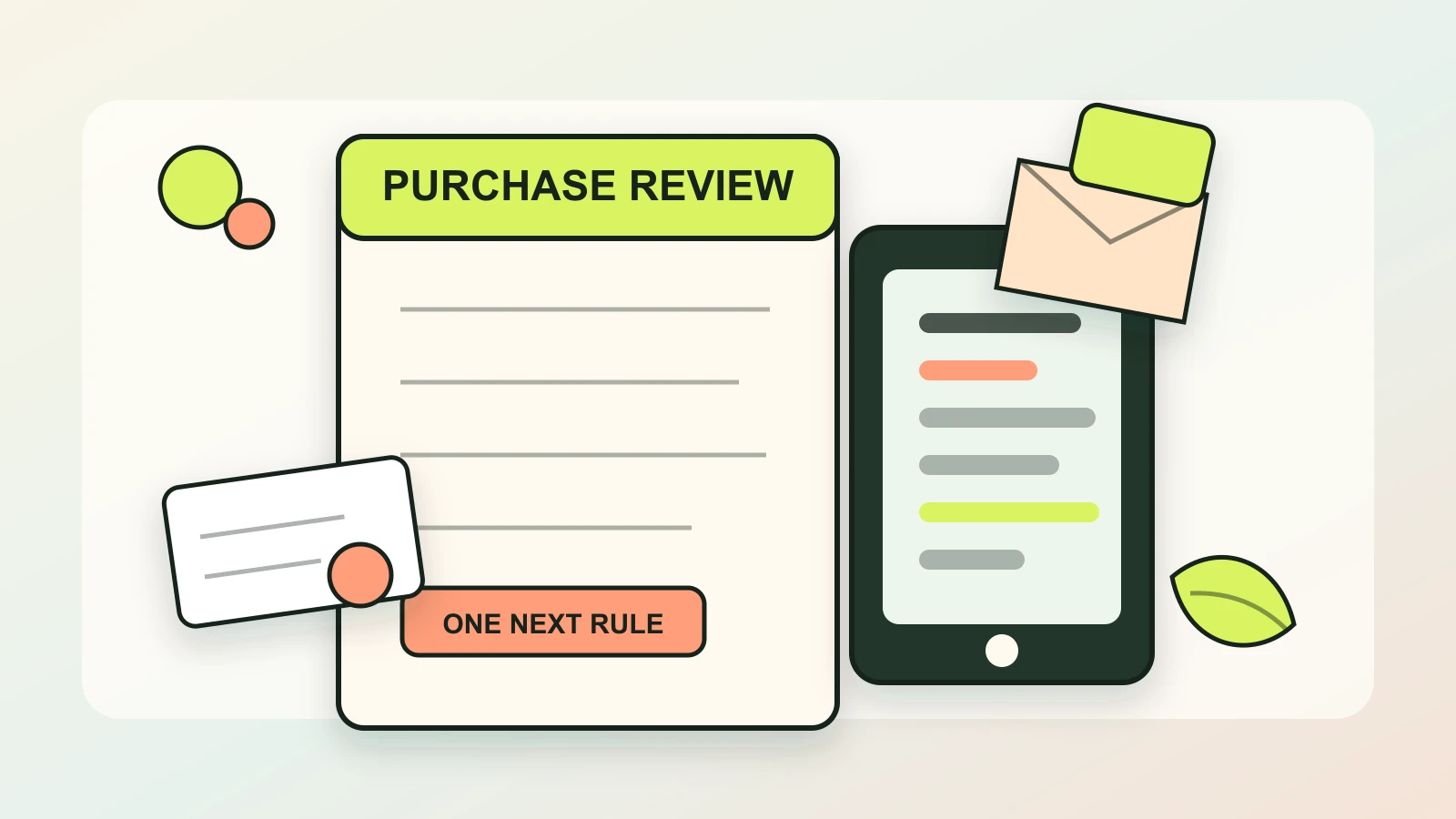
A purchase regret review is a short, calm look at spending you wish had gone differently. The goal is not to shame yourself or relive every mistake. The goal is to understand what happened, recover what you can, and make the next similar decision easier.
Pick one purchase at a time
Do not start by reviewing an entire month of spending. That can turn a helpful exercise into a blame session. Choose one purchase that still bothers you and keep the review narrow.
Good candidates include:
- something you bought but rarely used
- an item that needed extra accessories, repairs, fees, or storage
- a sale purchase that was not actually needed
- a replacement bought in a hurry because the old one failed
- a subscription, membership, or app you forgot to cancel
- a gift, trip, event, or outfit that cost more than expected
- a convenience purchase that solved a short-term problem but created budget pressure
If several purchases come to mind, choose the one most likely to repeat. A one-off mistake matters less than a pattern that keeps returning.
Separate regret from affordability
Regret and affordability are not the same thing. A purchase can fit the budget and still feel wrong later. Another purchase can be useful but poorly timed. Sorting the difference helps you avoid overcorrecting.
Ask three questions:
- Did the purchase create actual cash-flow stress?
- Did it fail to deliver the value you expected?
- Did it conflict with a higher-priority goal?
If the main issue was cash flow, the next fix may be timing, saving ahead, or adding a buffer. If the issue was value, the next fix may be waiting longer, comparing alternatives, borrowing first, or buying a simpler version. If the issue was priority, the next fix may be a clearer rule for what gets money first.
Rebuild the decision moment
Most regret makes more sense when you look at the moment before the purchase. Try to remember what was happening without judging it.
Write down:
- where you were
- what you were trying to solve
- whether you felt rushed, tired, excited, embarrassed, bored, or pressured
- what information you had
- what information you skipped
- whether the purchase was planned, semi-planned, or completely unplanned
This is where expense tracking can help. If you use Furt Money to review categories, look at the purchases around the same time. A regretted item may have followed a stressful week, a social event, a payday, a late-night scroll, or a category that was already running tight.
Find the hidden full cost
Some purchases disappoint because the checkout price was only the beginning. The real cost included time, upkeep, storage, accessories, returns, interest, delivery fees, or a second purchase to make the first one work.
Look for the full cost:
- the purchase price
- shipping, fees, taxes, tips, or delivery
- accessories or supplies
- maintenance, repairs, cleaning, or replacement parts
- storage, insurance, or service plans
- time spent researching, returning, reselling, or fixing
- money moved away from another category
You do not need a perfect calculation. A rough full-cost view is enough to make the next decision more honest.
Recover what you can
Before turning the regret into a lesson, check whether there is anything practical to recover. This keeps the review from becoming only emotional.
Possible recovery steps include:
- return the item if the return window is still open
- cancel the renewal before the next billing date
- sell or donate the item if keeping it creates clutter
- use store credit intentionally instead of treating it like free money
- move the item to a visible place so you can actually use it
- repair or repurpose it if that costs less than replacing it
- update the budget so the cost is no longer hidden
Avoid spending more just to make a bad purchase feel successful. Sometimes the cleanest recovery is accepting the lesson and stopping the spending trail there.
Turn the lesson into one rule
A regret review works best when it ends with a simple rule you can reuse. The rule should be small enough to follow under pressure.
Examples:
- I wait 24 hours before buying nonessential items over my chosen limit.
- I do not buy storage, accessories, or upgrades until I know I will use the main item.
- I check the full monthly category before buying a replacement.
- I cancel trial subscriptions on the same day I start them.
- I do not buy clothing for an imaginary version of my schedule.
- I keep a replacement fund for items that fail at inconvenient times.
- I compare the purchase with one higher-priority goal before checking out.
Make the rule specific to the pattern, not to your character. “I need a waiting period for sale items” is useful. “I am bad with money” is not.
Add friction where the pattern repeats
If the regret came from a repeat pattern, willpower alone may not be enough. Add a little friction before the next similar purchase.
You might:
- remove saved cards from a shopping site
- unsubscribe from sale emails that create false urgency
- keep a wish list and review it once a week
- set a category alert or spending cap
- create a separate savings line for replacements
- keep a note of items you regret buying in that category
- ask a trusted person before making a large optional purchase
Friction is not punishment. It is a way to give your future self a pause button.
Review without rewriting the whole budget
One regretted purchase does not mean the entire budget is broken. After the review, update only the part that actually needs attention.
If the purchase was a true one-off, record the lesson and move on. If it revealed an underfunded category, adjust that category for next month. If it showed a recurring trigger, add a rule or reminder. If it exposed a larger gap, such as no replacement fund or no buffer, start with the smallest first step.
The purpose of the review is progress, not a dramatic reset. A calmer next decision is a good outcome.
The next step
Choose one purchase from the last month that still nags at you. Write down what happened, what the full cost really was, and one rule that would have helped.
That is enough for a first purchase regret review. You are not trying to make every future purchase perfect. You are building a budget that learns from real life.