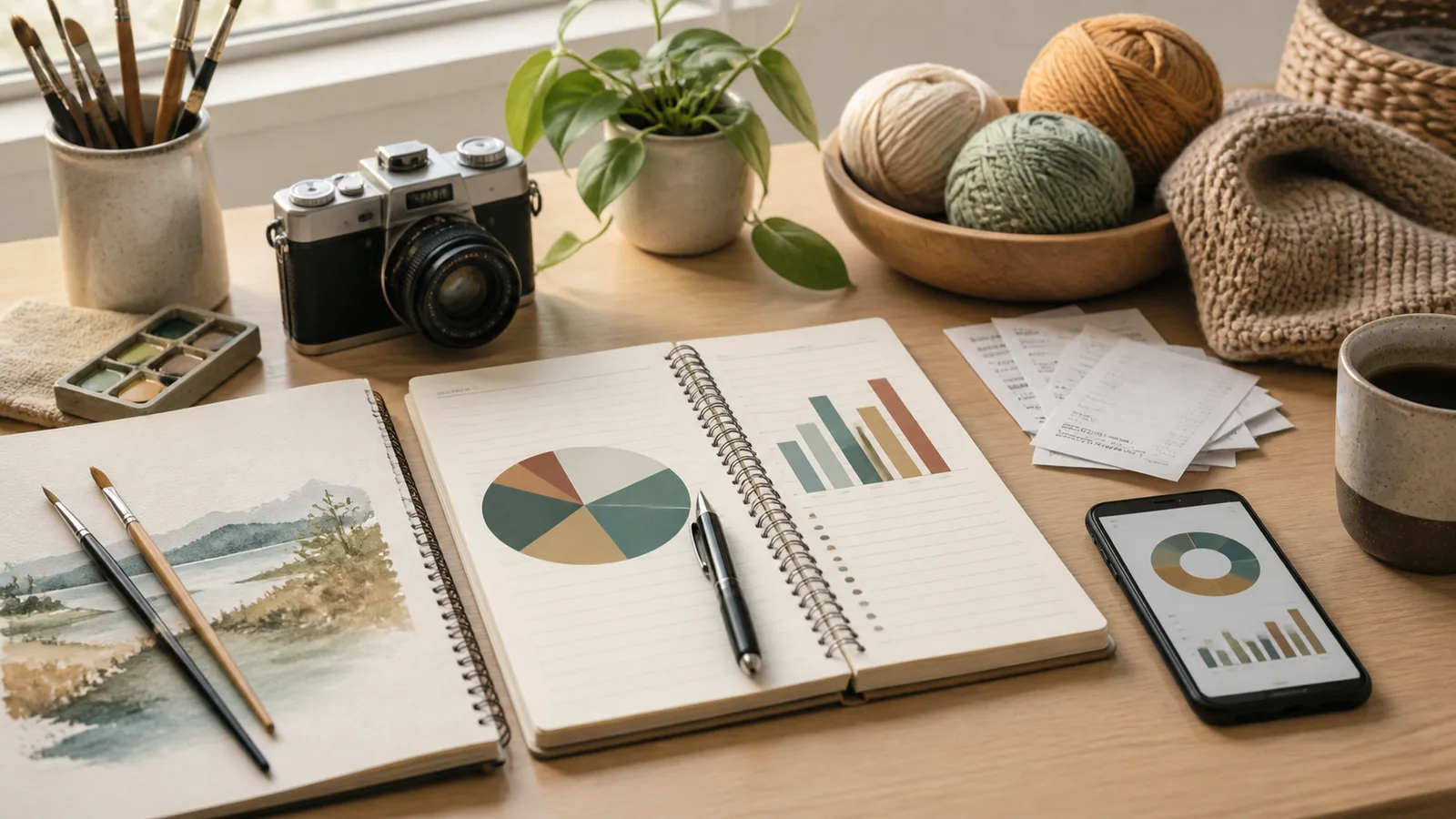
Hobbies make life feel bigger than bills. A class, sport, craft, collection, instrument, game, garden, camera, or weekend project can give you rest, skill, community, and something to look forward to.
The trouble is that hobby spending often arrives in pieces. One supply order looks small. A membership renewal feels separate. A tool upgrade seems practical. A spontaneous event ticket feels like a one-time treat. By the end of the month, the hobby may have used more money than planned without ever feeling like one large decision.
A hobby budget keeps the joy visible and the spending honest. It gives your interests room in the plan so they do not have to compete quietly with groceries, debt payments, savings, or next week’s cash flow.
List the real cost of the hobby
Start by writing down everything the hobby usually asks for. Do not limit the list to the obvious purchase.
Common hobby costs include:
- Starter gear, replacement supplies, tools, materials, and storage
- Lessons, subscriptions, app fees, memberships, entry fees, and event tickets
- Travel, parking, food, shipping, repairs, batteries, cases, or protective equipment
- Gifts, group contributions, club dues, and social spending around the hobby
- Upgrade pressure, limited editions, seasonal releases, and sale purchases
This list is not meant to make the hobby feel expensive or irresponsible. It is meant to turn scattered charges into one visible category. When the full shape is clear, you can choose a limit that supports the hobby instead of reacting to each purchase separately.
If you track expenses in Furt Money, look beyond one category. Hobby spending might be spread across shopping, entertainment, transport, subscriptions, education, household, or personal care. Pulling those charges together can show the true pattern.
Separate recurring costs from one-time wants
Most hobbies have two kinds of spending: the cost to keep participating and the cost to expand.
The participation cost is what keeps the hobby active. It might be class fees, basic materials, a gym or studio membership, replacement strings, paint, fabric, seeds, platform fees, or transport to a regular meetup.
Expansion spending is different. It includes upgraded equipment, extra accessories, new courses, special events, premium tools, collectibles, and duplicate supplies. These purchases can be fun and useful, but they deserve a slower decision because they raise the cost of the hobby.
Try sorting your list into three groups:
- Need to continue
- Nice to improve
- Tempting but optional
This small filter prevents every hobby purchase from feeling equally urgent. It also makes it easier to protect the parts that actually keep the hobby alive.
Choose a monthly hobby number
A useful hobby budget should be honest, not heroic. If you choose a number that ignores how often you practice, how much supplies cost, or how social the hobby is, the plan will probably fail quickly.
Use three questions to set the first number:
- What did I spend on this hobby last month?
- Which purchases made the hobby better in a lasting way?
- Which purchases were mostly excitement, boredom, stress, or fear of missing out?
Then choose a number for the next month or pay cycle. It can be one broad hobby category or a split between “regular hobby costs” and “hobby extras.” Keep the structure simple enough that you will actually review it.
If you have several hobbies, avoid pretending each one can be fully funded every month. Pick the hobbies that are active right now and give the quieter ones a small maintenance amount or pause them for a season.
Create a wish list before buying upgrades
Upgrade spending is where many hobby budgets get blurry. Research can turn into shopping. Shopping can turn into comparison. Comparison can turn into buying something that solves a problem you did not really have.
Instead of buying upgrades immediately, keep a hobby wish list. Add the item, estimated cost, why you want it, and what it would improve. Then wait long enough to see whether the item still matters after the excitement fades.
Before buying, ask:
- Have I used what I already own enough to know this upgrade helps?
- Is this replacing something broken or solving a real limitation?
- Would renting, borrowing, buying used, or sharing work for now?
- Will this create follow-up costs, such as accessories, storage, repairs, or lessons?
- Is the purchase still worth it if it means waiting longer for another goal?
This does not remove fun from the hobby. It protects fun from becoming a pile of unused gear.
Plan for lumpy hobby expenses
Some hobby costs do not fit neatly into a monthly allowance. A yearly membership, tournament fee, seasonal equipment order, workshop, convention, recital, race, trip, or large materials purchase may only happen once or twice a year.
Treat these as planned expenses, not surprises. Create a small sinking fund for the larger hobby costs you can see coming. If a workshop is likely in four months, start setting aside a little now instead of letting the full cost hit one paycheck.
For uncertain costs, create a small “hobby repair and replacement” buffer. It can help with worn-out shoes, broken tools, damaged equipment, or supply restocks that arrive at an awkward time.
The point is not to predict every detail. The point is to stop predictable hobby spending from pretending to be an emergency.
Use a pause rule for emotional spending
Hobbies can carry a lot of emotion. You may buy because you feel inspired, tired, left behind, competitive, or eager to belong. Those feelings are normal, but they are not always good shopping assistants.
Use a pause rule for non-essential hobby purchases. For smaller extras, wait 24 hours. For larger upgrades, wait a week or until the next budget review. During the pause, keep practicing with what you already have.
If the purchase still fits the budget and still solves a real problem, buy it without guilt. If the urge fades, move the money toward supplies, savings, debt payoff, or a future hobby goal that matters more.
This rule is especially useful for sales. A discount is only helpful when the item already had a job in your plan.
Review what the hobby gave back
A hobby budget should not only ask, “How much did I spend?” It should also ask, “What did this spending make possible?”
At the end of the month, review the category with a few practical questions:
- Which purchases helped me practice, participate, rest, learn, or connect?
- Which items went unused?
- Did any spending happen because supplies were disorganized or plans were vague?
- Did the hobby budget crowd another priority?
- What should be repeated, reduced, delayed, or removed next month?
This review keeps the budget connected to real life. You may find that one class is worth more than several supply orders, or that a smaller monthly budget feels fine when you stop buying backups for things you already own.
Keep joy in the plan
A hobby budget is not a punishment for enjoying something. It is a way to keep enjoyment sustainable.
Start with one hobby. Find the last month of spending, group the purchases, and choose a realistic number for the next pay cycle. Then make one wish list for upgrades and one small plan for larger upcoming costs.
When your hobby has a clear place in the budget, you can spend on it with less second-guessing and more attention to the part that mattered in the first place: actually doing the thing.