Errands rarely feel like budget decisions. One stop is for groceries, another is for medicine, another is for a return, and then there is a quick coffee or a household item you forgot last week. Each purchase may be reasonable on its own, but the total can blur fast.
An errand day budget gives those small stops a plan before you leave home. It does not require perfection. It simply helps you decide what the day is for, how much you can spend, and which purchases should wait.
Start with the real route
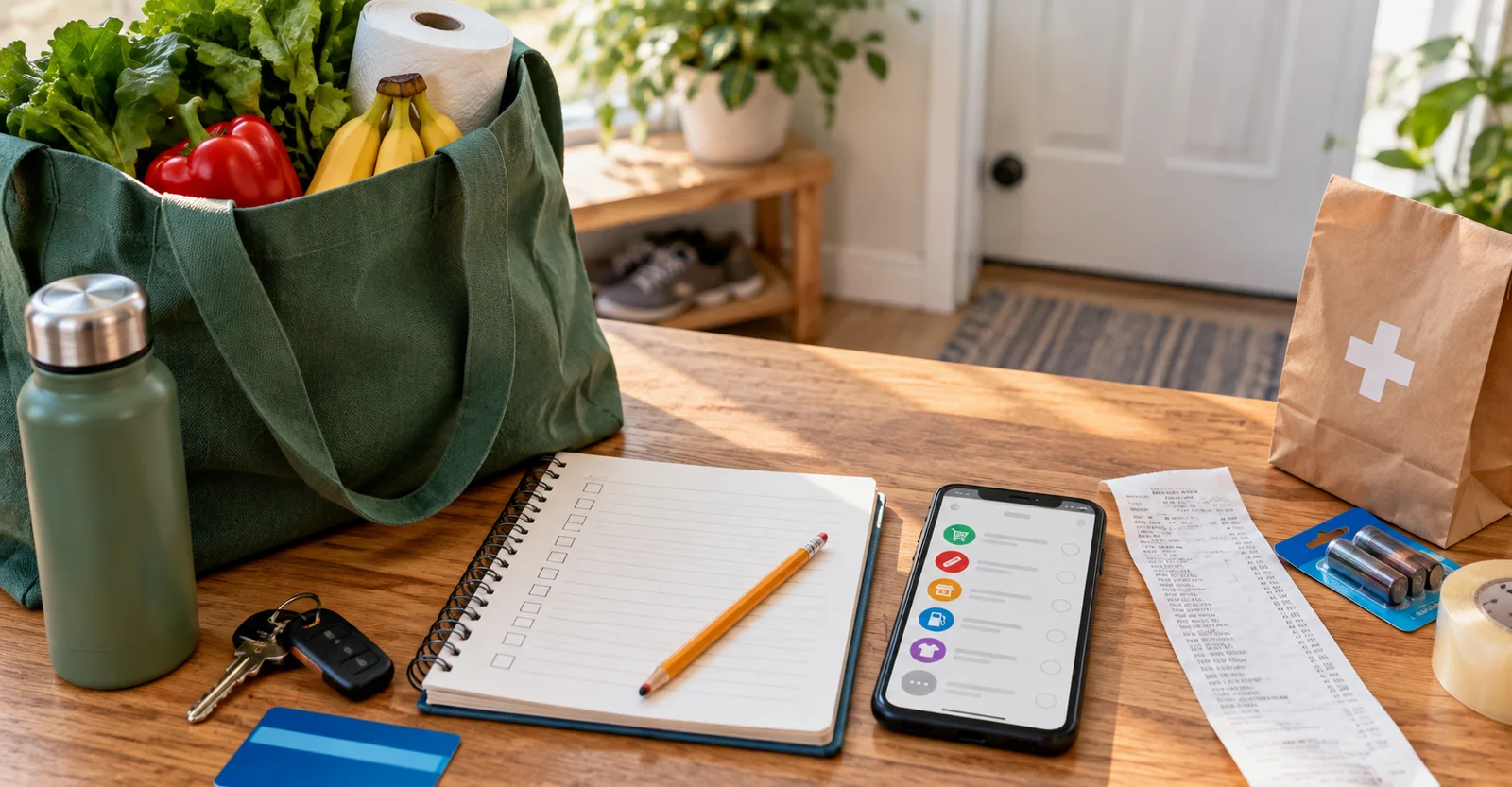
Write down every place you expect to visit, including the stops that feel too small to matter. A useful errand list might include:
- pharmacy
- grocery store
- post office
- fuel or transit top-up
- hardware store
- coffee shop
- returns or pickups
- household supplies
The goal is not to judge the list. The goal is to see the whole day. Many errand overspends happen because each stop is treated like a separate decision instead of one shared spending window.
If you use Furt Money or another tracker, look back at recent Saturdays, lunch breaks, or after-work errand runs. You may notice that the planned purchase was not the only cost. Parking, snacks, delivery pickups, and “while I am here” items often show up beside the main errand.
Set one spending ceiling for the day
Before leaving home, choose a realistic maximum for the full errand trip. This number should include both planned purchases and a small buffer for the things that usually come up.
For example:
- planned pharmacy refill: 18
- household supplies: 35
- groceries for two dinners: 42
- fuel or transit: 20
- small buffer: 15
- total errand day ceiling: 130
Use your own currency and normal prices. The exact amount matters less than the habit of naming it before the day starts. A ceiling turns the question from “Can I buy this?” into “Does this still fit the day I planned?”
Separate must-buy, can-buy, and wait
Errand days often create urgency because everything is visible at once. A simple three-part list keeps the day from feeling like an open invitation to spend.
Use these categories:
- Must-buy: medicine, required school items, basic groceries, bills, repairs, and anything with a real deadline.
- Can-buy: useful items that fit the budget if the essentials come in lower than expected.
- Wait: sale items, duplicates, upgrades, decor, impulse snacks, and anything you can review later.
This is especially helpful in stores that mix essentials with tempting extras. You might need batteries and soap, but you do not need to decide on new storage bins, kitchen tools, and seasonal items in the same trip.
Watch for the errand chain reaction
One stop can create another cost. A delayed return may lead to lunch out. A long pharmacy wait may lead to coffee. A grocery trip without a list may lead to duplicate food at home. A quick hardware stop may become a bigger project purchase.
Look for common chain reactions:
- running errands hungry, then buying convenience food
- leaving without a list, then guessing and overbuying
- treating store credit like free money
- adding a nearby store because you are already out
- buying a replacement before checking if you have one at home
- paying extra for parking because the route was not planned
You do not have to remove every extra. Just decide which ones are worth planning for. If coffee makes the errand run easier and fits the ceiling, include it. If it keeps pushing the day over budget, plan a snack before you leave.
Keep payment simple
Errand days become harder to review when purchases are split across cash, cards, payment apps, store credits, and reimbursements. If possible, use one primary payment method for the day or make a quick note when you cannot.
A simple note might say:
- pharmacy on card
- grocery gift card used
- return credit expected next week
- cash parking
- friend repayment pending
This matters because your bank balance may not tell the full story right away. Pending card holds, delayed refunds, and store credits can make the day look cheaper or more expensive than it really was.
Build a small decision rule for extras
You do not need a strict ban on extras. You need a rule that slows down automatic spending.
Try one of these:
- If it was not on the list, it must replace something else.
- If it costs more than the buffer, wait 24 hours.
- If it is a duplicate, check home first.
- If it needs storage, maintenance, or supplies, count the full cost.
- If it is only on sale today, ask whether you would buy it at full price.
The best rule is the one you will actually use in a busy aisle. Keep it short enough to remember without opening a spreadsheet.
Review the day while it is still fresh
When you get home, take five minutes to compare the plan with reality. You are looking for patterns, not blame.
Ask:
- Which planned costs were accurate?
- Which stop cost more than expected?
- What did I buy because I was tired, hungry, rushed, or already nearby?
- Did any purchase belong in a different budget category?
- Is there a refund, return, or reimbursement to track?
- What should change before the next errand day?
If you track spending in Furt Money, this is a good moment to categorize the purchases while you still remember what happened. The category pattern may be more useful than the individual receipt. It can show whether errand days are really grocery-heavy, convenience-heavy, transportation-heavy, or household-heavy.
Make the next trip easier
An errand day budget works best when it becomes a repeatable routine. Keep a running list during the week so you are not relying on memory. Group nearby stops when it saves time and transport costs. Check cabinets, pantry shelves, and return deadlines before leaving home.
You can also create a small default buffer for errand days. That buffer is not permission to wander. It is protection against normal life: price changes, forgotten basics, small fees, or one useful item you genuinely need.
The bottom line
Small stops are still spending decisions. An errand day budget helps you see the whole trip before the receipts pile up, protect the money already assigned to bills and savings, and make calmer choices while you are out.
For your next errand run, write the stops, set one ceiling, and choose one rule for extras. That is enough to make the day easier to manage.