You borrowed a lamp, camera, tool, or suitcase, and it came back damaged. The awkward conversation can make you want to buy a brand-new replacement immediately. But a rushed purchase may be the wrong model, cost more than a repair, or strain your next rent payment. A damaged borrowed item cost plan gives both people a clear way to decide what happens next.
This is about an informal loan between people, not a rental contract or a legal determination of liability. If there are written terms, an insurance question, or a serious dispute, check the relevant agreement and get appropriate advice rather than assuming this checklist settles it.
Make the item safe and record what happened
Stop using an item that may be unsafe. Do not plug in a damaged electrical device or test a cracked piece of safety equipment just to see whether it still works. Note when the damage appeared, what you can observe, and whether the item was already worn or faulty when you received it. Take clear photos if useful and keep any packaging or loose parts.
Tell the owner promptly. A simple message works: “The lamp shade came loose while I had it. I’ve stopped using it and taken a photo. Can we agree on a repair or replacement before I arrange anything?” Describe what you know without inventing a cause or promising a price you have not checked.
Ask what outcome would actually put things right
The owner may prefer a repair, the same model, a comparable used item, or money toward a replacement. Ask what matters: the item’s function, condition, size, compatibility, or sentimental value. A secondhand item is not automatically worth the current price of the newest version, and a cheap substitute is not automatically equivalent.
Agree on the proposed route before paying a repairer, ordering parts, or discarding the damaged item. A specialist or sentimental object may need a different conversation from a replaceable household tool. Keep the decision in a message so neither person has to reconstruct it later.
Compare the full repair and replacement paths
Get a written repair estimate if a safe repair is possible. Ask whether diagnosis costs extra, whether the quote includes parts and labor, how long it may take, and whether the work needs the owner’s approval. For replacement, compare an equivalent item’s actual condition and specifications, not just a product category. Add delivery, required accessories, and any return cost if the candidate is unsuitable.
Keep three numbers separate: confirmed spending, a quote awaiting approval, and an uncertain fallback. Suppose a repair quote is 45 units in your currency, a comparable replacement is 80, and delivery would add 10. You have not spent 135: the repair path is 45, while the replacement path is 90. If the owner agrees to try the repair first, ask what happens if it fails before committing to both costs. These are illustrative numbers, not market prices.
Decide how the payment fits your next bills
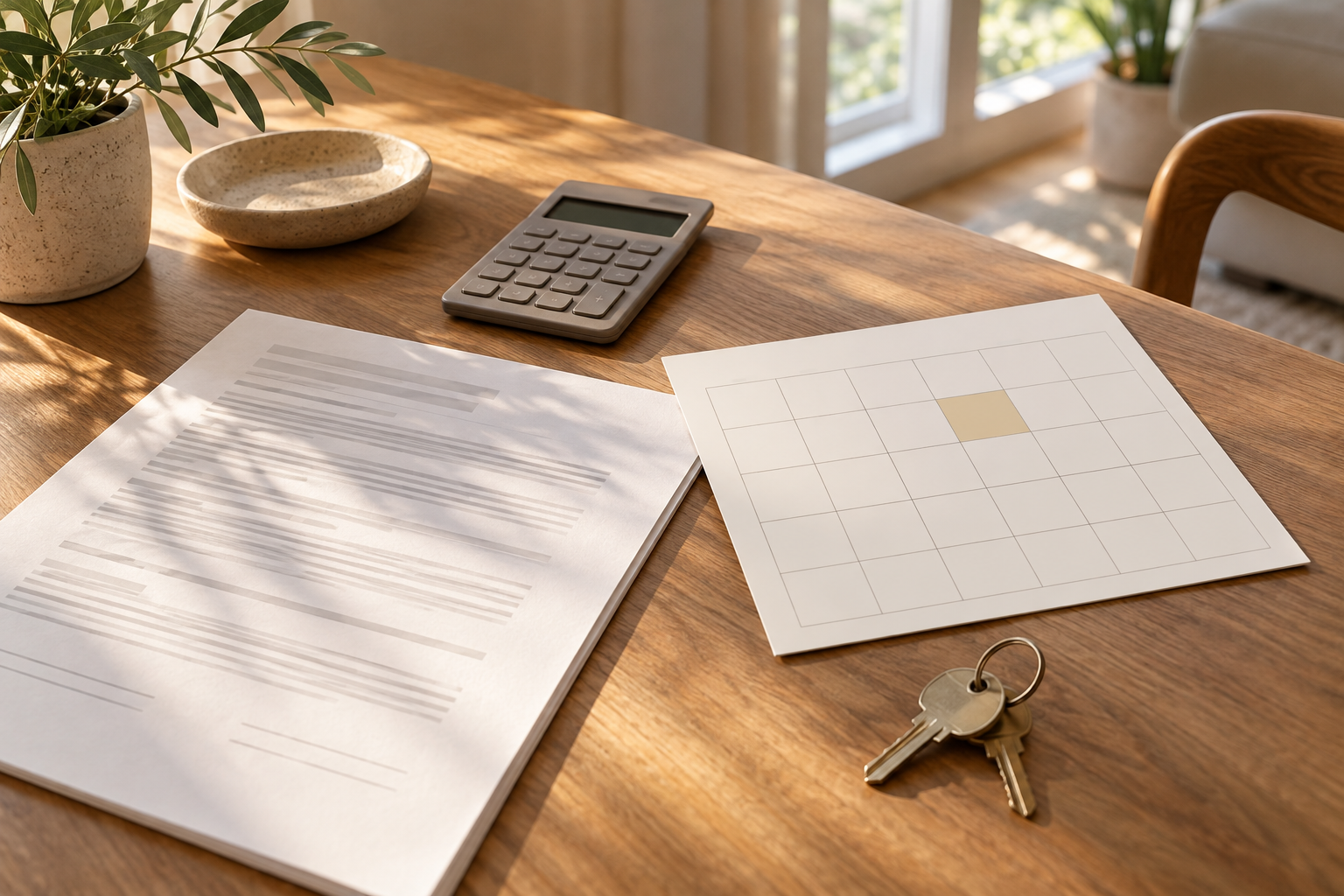
Once you agree on an amount and timing, place it beside the money available before your next payday and the bills already due. Protect essentials first: housing, food, utilities, transport, and required payments. If you cannot cover the agreed cost at once, say so early and propose a specific schedule you can actually meet. Do not treat a possible reimbursement or refund as money in hand.
If you are considering a card or payment plan, check the total cost and due dates rather than choosing the smallest first payment. An apology does not require a financing decision you have not understood. If the owner is comfortable waiting while you save, write down the date and amount instead of leaving it open-ended.
Check coverage without assuming a payout
Some policies or purchase protections may be relevant to certain accidental damage, but exclusions, deductibles, ownership rules, and claim processes vary. Read the actual terms and ask the provider before counting on coverage. Do not delay telling the owner while you wait for an answer. Save photos, the estimate, and any receipts if the provider requests them.
Also check whether a shop guarantee or an existing manufacturer service option applies to the fault, without assuming ordinary wear is covered. The aim is to avoid paying twice or overlooking an available path, not to file a claim for damage that the terms do not cover.
Close the loop and learn from the real cost
After the repair or replacement, confirm with the owner that the item and any accessories were received and the agreed payment is complete. Keep the final invoice and record the actual amount, not every earlier quote. If you track expenses with Furt Money, categorize the payment where it will be easy to find in a later spending review; keep the sensitive conversation and service documents in your own records.
Next time you borrow an expensive or delicate item, agree in advance on its condition, return date, and what to do if something goes wrong. That is not distrust. It is a small way to protect the relationship and your budget.
Next step: send an honest update to the owner, then get one repair estimate or one comparable replacement price. Choose the remedy together before spending.