Moving costs do not stop at rent and the security deposit. Utilities can bring connection fees, deposits, equipment charges, first bills, overlapping service dates, and timing surprises before the new place feels settled.
A utility deposit budget gives those setup costs a place in the move plan. It helps you ask the right questions before move-in week, when every expense feels urgent.
The goal is simple: turn the first month into a checklist, not a guessing game.
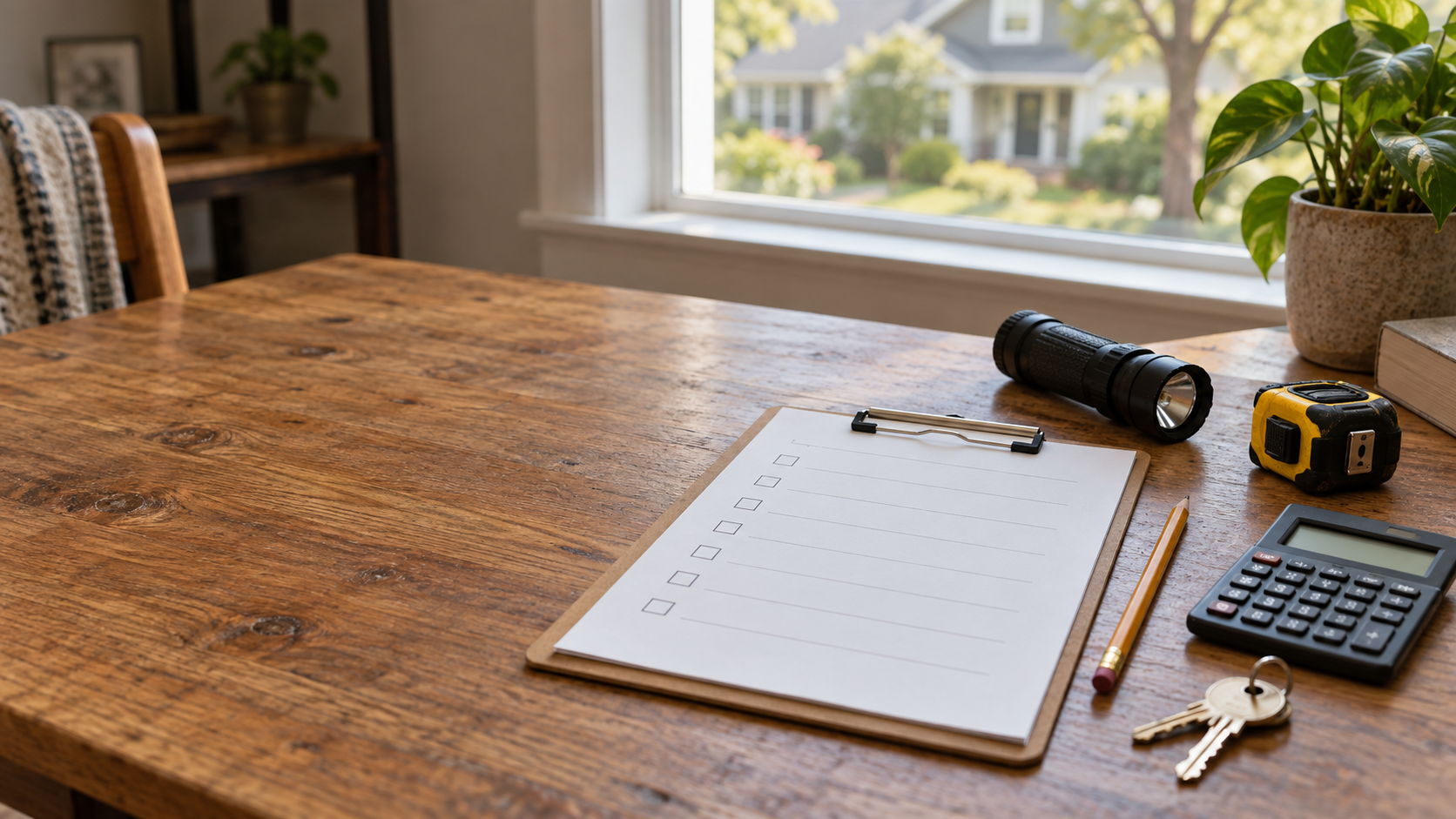
List Every Service You Need
Start with a complete service list for the new home. Depending on the place, that may include electricity, gas, water, trash, internet, mobile data changes, heating fuel, parking, building fees, or local taxes and charges.
For each service, write:
- provider name
- account setup date
- expected deposit or connection fee
- first bill timing
- equipment needed
- cancellation date for the old place
- customer support contact
Even if some costs are unknown, the list shows what needs to be confirmed.
Ask About Deposits Early
Deposits and setup fees can depend on provider rules, credit checks, location, prior account history, or lease terms. Avoid assuming the amount is zero.
When contacting providers, ask:
- Is there a deposit or setup fee?
- When is it due?
- Is it refundable?
- How and when is it returned?
- Are there installation or equipment charges?
- What documents are needed?
Record answers in one place so you are not searching through emails during move-in.
Plan Overlap Between Old And New Homes
Utility costs can overlap if you need service active in two places for a few days or weeks. This can happen during cleaning, painting, remote work setup, or staggered move dates.
Budget for overlap on purpose. It may include electricity, water, internet, or trash service at both addresses.
If overlap is too expensive, choose the exact dates carefully and decide which services need to stay active until the last day.
Prepare For First Bills To Be Odd
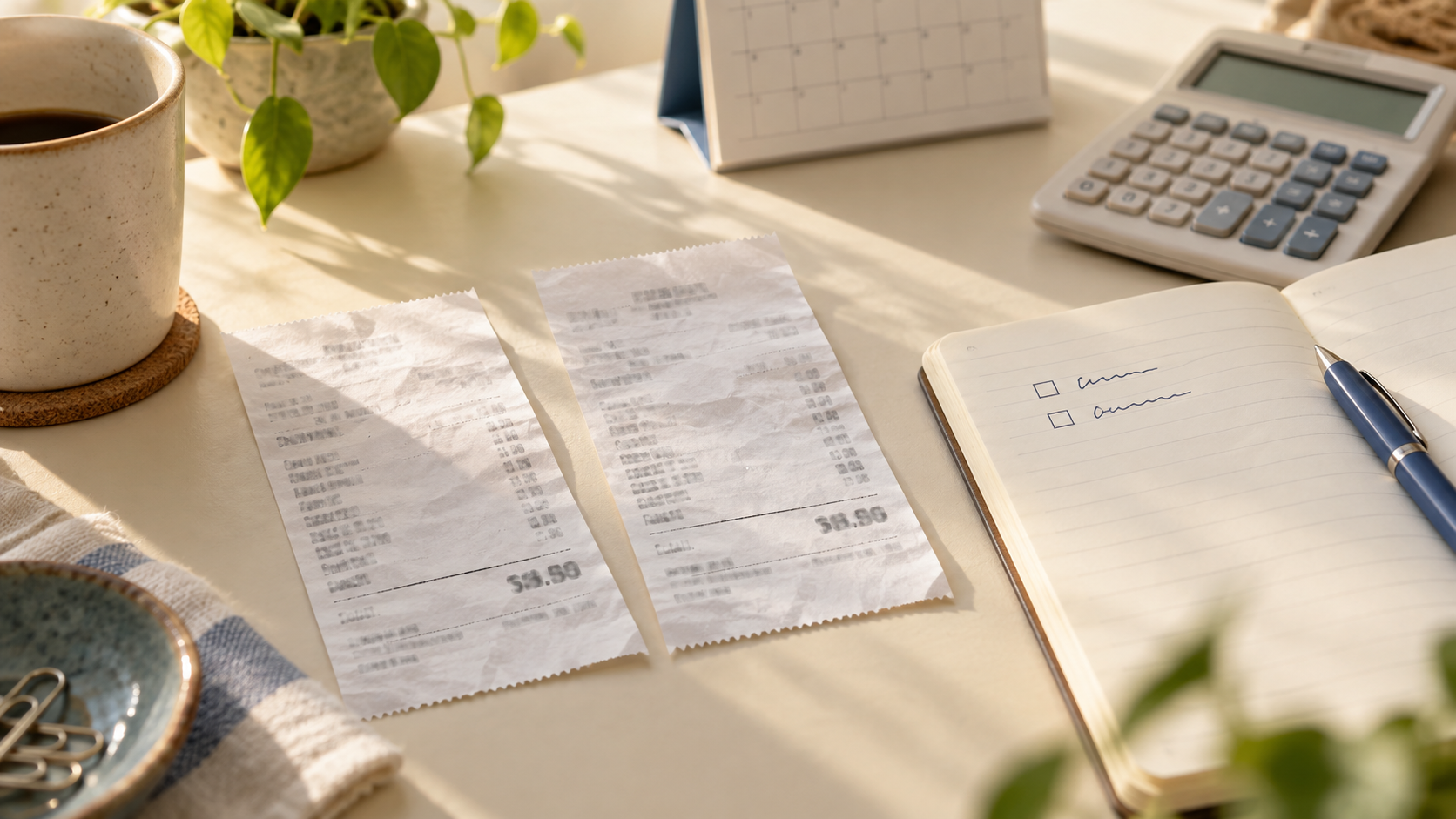
First bills may cover partial periods, deposits, installation, equipment, or activation charges. They may not look like normal monthly bills.
Keep a first-bill buffer separate from the ordinary utilities category. After the first cycle or two, update the normal monthly estimate based on real bills.
If you use Furt Money, tag move-in utility costs separately from ordinary utility bills so you do not overestimate the normal cost of the new place.
Watch Equipment And Return Rules
Internet routers, modems, remotes, bins, keys, or meters may have return rules. Missing equipment can create fees later.
Keep photos, receipts, and return deadlines. Store equipment for the old place separately during the move so it does not get packed by mistake.
This is boring work that can save money at the end of the lease.
Add Utilities To The Moving Budget
Do not leave utilities outside the main moving plan. They compete with movers, deposits, furniture, groceries, and repairs for the same cash.
A utility deposit budget should make the first month less chaotic. List every service, ask about deposits early, plan overlap, and keep setup costs separate from normal monthly bills until the new pattern is clear.