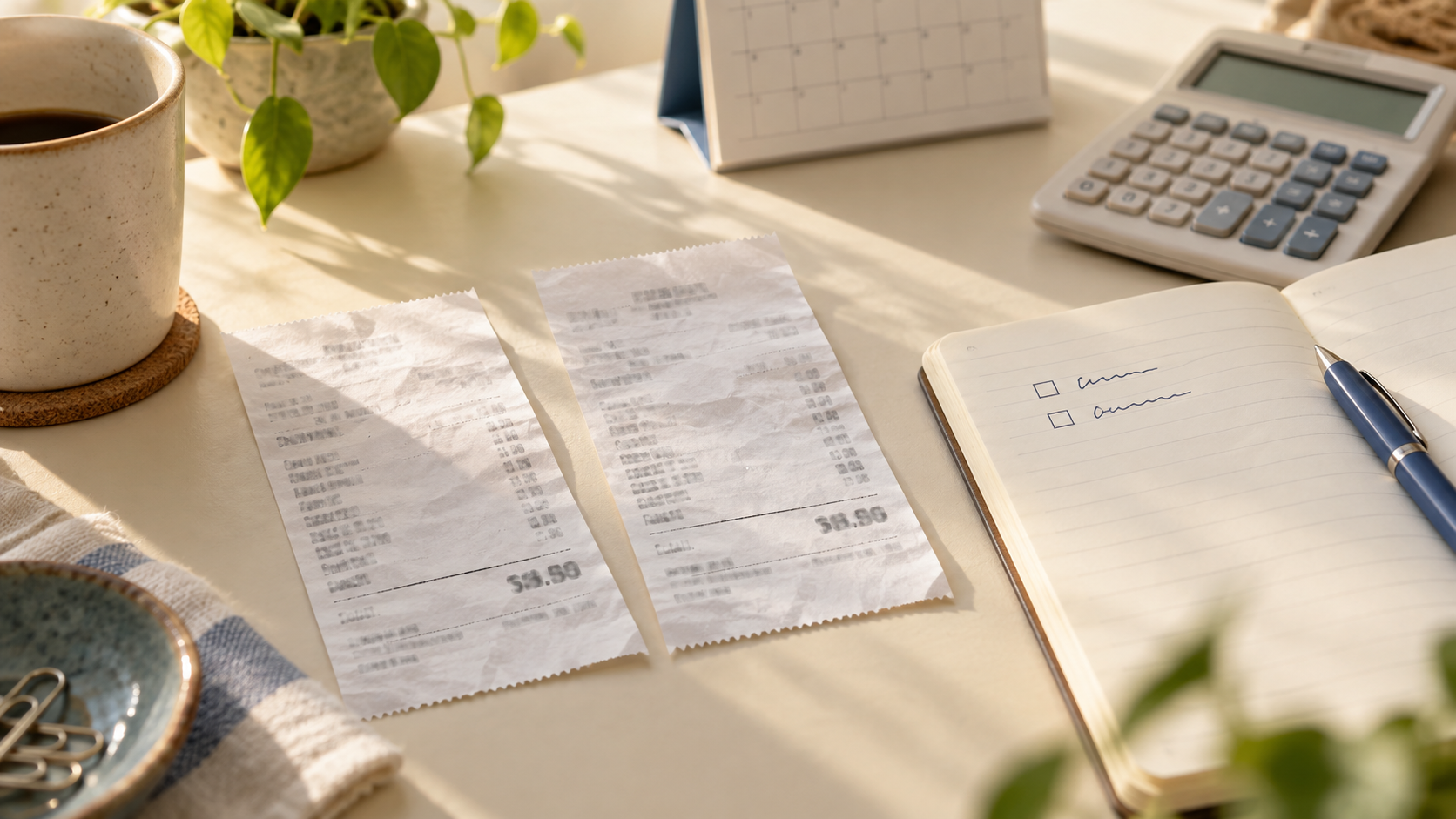
Living with roommates can make housing more affordable, but shared expenses need a system. Rent may be obvious, but groceries, cleaning supplies, streaming subscriptions, utilities, repairs, guests, and delayed repayments can become confusing quickly.
A roommate budget is not about making every household conversation serious. It is about agreeing on the money rules before anyone feels annoyed, surprised, or quietly overcharged. The best setup is simple enough to use every month and clear enough that no one has to guess what is fair.
Use this guide to build a calm shared-expense plan, whether you are moving in with friends, splitting an apartment for the first time, or trying to reset a messy household budget.
Start with the expenses everyone shares
Begin by listing the costs that belong to the household, not to one person. This keeps the conversation practical. You are not judging anyone’s lifestyle; you are deciding which bills need a shared plan.
Common shared expenses include:
- Rent
- Utilities such as electricity, gas, water, and internet
- Basic cleaning supplies
- Shared kitchen staples
- Trash bags, paper goods, and household basics
- Shared subscriptions
- Repairs or replacement items everyone uses
- Parking, storage, or building fees
Then mark anything that should stay personal. Personal spending might include individual groceries, takeout, toiletries, bedroom furniture, personal subscriptions, clothes, hobbies, and guests you invite on your own.
This split matters because roommate tension often starts when one person assumes an item is shared and another person sees it as personal. Write the categories down once so you can return to them later.
Decide how each shared cost will be divided
Equal splits are common, but they are not always the fairest option. A roommate with a larger bedroom, private bathroom, dedicated parking space, or work-from-home utility use may reasonably pay a different share. The right method is the one everyone understands before the bill arrives.
Consider these approaches:
- Split evenly when everyone uses the service about the same amount.
- Split by room size or rent agreement when bedrooms are meaningfully different.
- Split by actual use when usage is easy to track and worth tracking.
- Rotate certain purchases when the amount is small and predictable.
- Keep some items personal when tracking them together would cause more friction than it solves.
Do not over-engineer every category. If a shared item costs very little, a simple equal split may be easier than building a complicated formula. Save the detailed rules for rent, utilities, and recurring bills that actually affect the household budget.
Put due dates in one place
A roommate budget works better when due dates are visible. If one person knows the internet bill renews on the 18th and everyone else forgets, that person quietly becomes the household finance manager. That can create resentment even when the money is eventually repaid.
Create one shared list with:
- The bill name
- The due date
- The usual amount or expected range
- The person responsible for paying it first
- How and when roommates repay their share
- Any login or account note that is safe to share
Keep sensitive details out of ordinary shared notes. Passwords, full card numbers, identity documents, and bank information should not sit in a casual household spreadsheet or group chat.
The goal is visibility. Everyone should be able to see what is coming up before payday, not after someone sends an urgent reminder.
Choose one repayment rule
Repayment rules are where many roommate budgets fall apart. A bill gets paid, one person says they will send money later, then the reminder feels awkward, and the payer starts carrying costs that were never meant to be theirs.
Pick one rule before you need it. For example:
- Repay shared bills within 24 hours of the request.
- Settle all shared expenses every Friday.
- Reconcile everything on the first and fifteenth.
- Keep a small household balance and settle when someone owes more than a chosen amount.
Choose a method that fits your household rhythm. If everyone gets paid on different dates, a weekly settlement may work better than expecting instant repayment every time. If bills are tight, faster repayment may be necessary so one roommate is not floating everyone else’s costs.
Whatever rule you choose, make it normal to follow. A reminder should feel like part of the system, not a personal complaint.
Make groceries and household supplies separate
Food is one of the easiest roommate categories to misunderstand. Some households share almost everything. Others only share salt, oil, coffee, and cleaning supplies. Neither approach is automatically better, but a vague approach is almost guaranteed to cause problems.
Decide what belongs in each bucket:
- Shared pantry staples
- Personal groceries
- Shared household supplies
- Personal toiletries
- Occasional group meals
- Guest food or party supplies
If your household shares groceries, agree on a spending limit and a shopping list. If one person buys specialty items, expensive snacks, or a diet-specific product, decide whether that is personal. If someone cooks for the whole apartment, agree whether the cost is split before they shop.
For many roommates, the easiest setup is shared basics plus personal groceries. That keeps the budget simple while still covering the items everyone uses.
Track shared spending before it gets fuzzy
Small expenses are easy to forget. One person buys dish soap, another grabs toilet paper, someone replaces a light bulb, and someone else pays for a shared delivery fee. By the end of the month, no one remembers who covered what.
Use a simple shared tracker for any expense that should be split. Record:
- Date
- Item or bill
- Total amount
- Who paid
- Who shares the cost
- Whether it has been repaid
If you already track personal expenses in Furt Money, keep shared household purchases in a clear category or note so they do not distort your own spending review. For example, a shared utility payment may leave your account, but only your portion belongs in your personal monthly cost.
The point is not to track every coin. The point is to make sure shared costs do not depend on memory.
Plan for awkward but predictable situations
Roommate budgets need a few rules for situations that do not fit neatly into normal monthly bills. These conversations are easier before anyone is frustrated.
Talk through:
- What happens if a roommate pays late
- How guests affect utilities, groceries, or shared supplies
- Whether partners or frequent visitors contribute to household costs
- How to handle damage, repairs, or broken shared items
- What happens when someone moves out early
- How deposits, cleaning fees, and final bills will be settled
Keep the rules reasonable and written in plain language. You do not need a legal document for every small issue, but you do need shared expectations. If a situation has happened before, it is worth adding to the system.
Review the budget after the first full month
The first version of a roommate budget is a guess. After one full month, check what worked and what felt annoying.
Ask:
- Were any bills missing from the plan?
- Did one person pay upfront too often?
- Were repayment reminders clear enough?
- Did shared groceries or supplies feel fair?
- Did anyone’s personal budget get distorted by household spending?
- Should any category move from shared to personal, or the other way around?
This review does not need to be dramatic. Ten minutes can be enough. Look at the bills, settle anything outstanding, and adjust one or two rules for the next month.
After that, repeat the review whenever rent changes, a new roommate moves in, someone starts working from home, or a recurring bill increases.
Keep the system boring
A good roommate budget should eventually feel boring. Everyone knows what is shared, who pays each bill, when repayments happen, and where expenses are tracked. That boring clarity is what keeps money from becoming the loudest part of living together.
Start with one shared list this week. Add the current bills, decide what counts as shared, and choose a repayment rule everyone can follow. The budget does not have to be perfect on day one. It just needs to be clear enough that the next shared expense has somewhere to go.