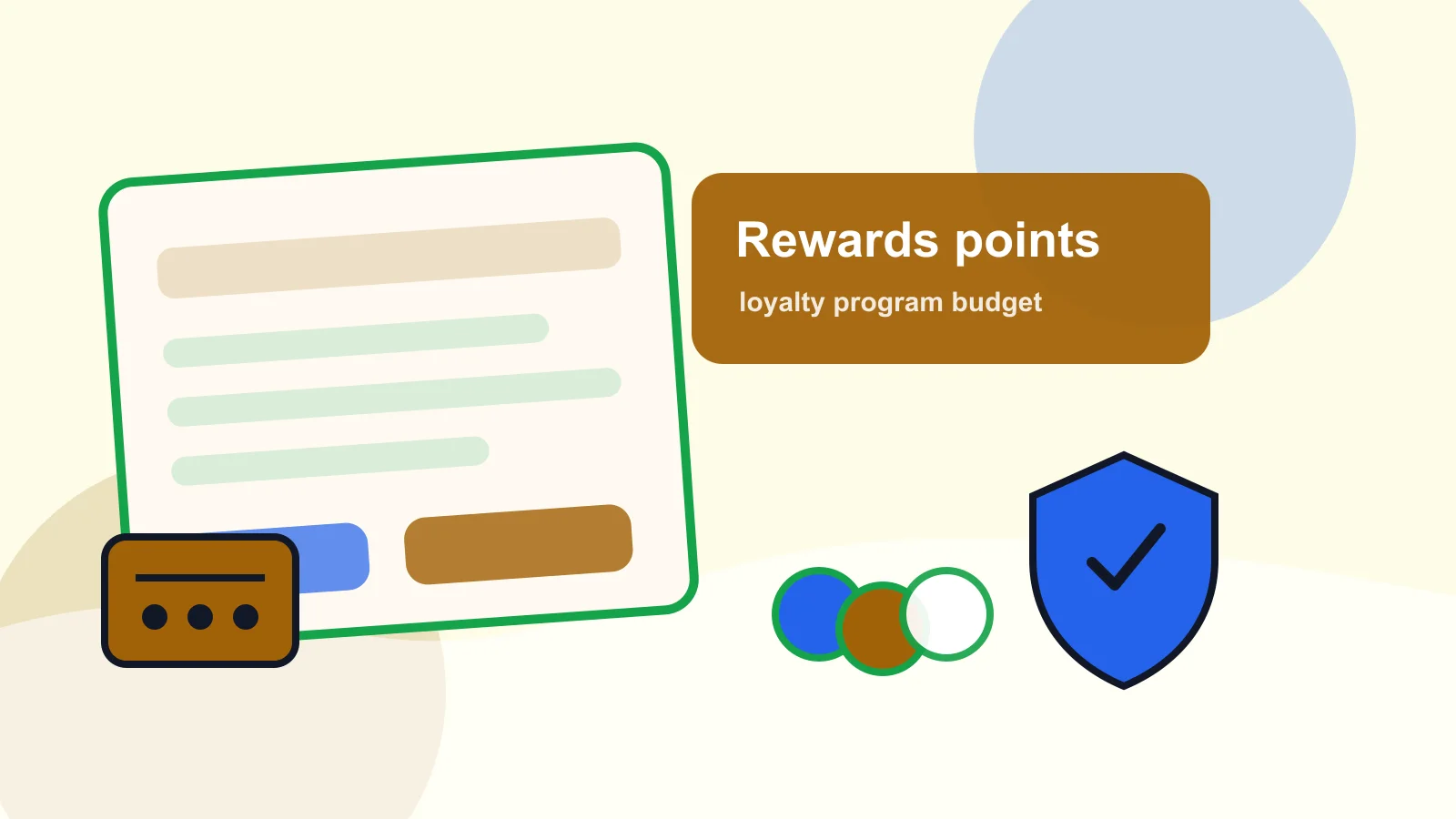
Loyalty programs can be useful. A discount on something you already planned to buy is welcome. The problem starts when points, streaks, coupons, and expiring rewards push you into purchases that were never part of the budget.
A loyalty program budget helps you use rewards as a bonus, not a steering wheel. It keeps the decision focused on value to you, not on the program’s countdown.
Points are only helpful when they support spending you already wanted.
Start With The Purchase, Not The Reward
Before using a loyalty offer, ask whether you would still consider the purchase without the points or discount.
If the answer is no, the reward is not saving money. It is creating a new expense.
Use this simple test:
- Was this item already on the list?
- Does it fit this month’s category limit?
- Is the final price still worth it?
- Will it replace a future purchase?
- Am I buying now only because points expire?
The reward should make a planned purchase better, not invent a reason to spend.
Track Rewards That Affect Real Categories
Rewards can distort your view of spending. If you redeem points for groceries, travel, fuel, coffee, or shopping, record the actual category it supported.
This helps you see whether the program reduces a category or encourages more purchases in that category.
If you use Furt Money, keep the original spending categories clear. A rewards-funded dinner is still dining. A discounted jacket is still clothing. The discount changes the amount, not the nature of the purchase.
Beware Of Minimum Spend Offers
“Spend more to save” offers deserve caution. A coupon that requires you to cross a threshold may be useful for a planned stock-up, but wasteful for filler items.
Ask:
- How much extra must I spend?
- Are the extra items already needed?
- Would I buy them soon anyway?
- Do they expire, spoil, or clutter?
- Is the discount larger than the unplanned spending?
If you need to add unnecessary items to unlock the offer, the offer is leading the budget.
Keep Points From Becoming Cash In Your Mind
Points, miles, and rewards can feel like money, but they often have rules, expiration dates, limited uses, or changing value. Treat them as helpful extras, not emergency savings.
Avoid relying on rewards for essentials unless redemption is simple and already available. A budget should work without assuming a program will behave perfectly.
This is especially important for travel or large purchases where fees, blackout dates, or limited options can change the real value.
Reduce Program Clutter
Too many programs create noise. Emails, app alerts, coupons, and expiring points can pressure you into constant shopping decisions.
Keep only programs that meet at least one test:
- you shop there regularly anyway
- rewards are easy to use
- offers match real needs
- the program does not require extra spending
- the emails do not trigger impulse buys
Unsubscribe from the rest or turn off alerts that make spending feel urgent.
Review Net Benefit
Every few months, ask whether the program helped your budget. Did it reduce planned spending, or did it increase store visits and add-ons?
A loyalty program budget should make rewards quiet and useful. Start with the purchase, check the final cost, and let points support your plan instead of replacing it.