An early loan payoff can remove a monthly bill, but sending the remaining statement balance is not always the same as closing the loan. Your agreement may set out an early-repayment charge, and the amount needed to settle the account can depend on the payoff date. Before moving a large sum, compare the actual payoff quote with the payments you would otherwise make—and check what cash remains for everyday life.
This is a decision framework, not a prediction that paying early will save money. Loan terms differ by product, lender, and location. Your own agreement and a current written quote are the sources for your actual cost.
Find the prepayment terms in your agreement
Search the loan agreement and account documents for “prepayment,” “early repayment,” “payoff,” or “settlement.” Check whether a charge applies at all, when it applies, whether it changes over time, and how the lender calculates it. Ask for an explanation in writing if the wording is unclear.
A charge, if applicable, could be described as a fixed amount or tied to a formula in the agreement. Do not assume a quoted percentage applies to the original loan amount rather than the balance being repaid, or that every extra payment triggers the same rule as paying the loan in full. Verify the terms for the specific payment you intend to make.
If the agreement refers to another document, request that document before estimating a fee. A vague memory of the terms is not a useful basis for a large transfer.
Request a dated payoff quote
The balance shown in your app or statement may not be the amount required to close the account on a particular date. Ask the lender or servicer through an official channel for a written payoff quote for your planned payment date. Request a breakdown of the outstanding balance, interest or other amounts included through that date, any early-payoff charge, and the quote’s validity period.
Also ask where the payment should go, how it must be identified, whether a payment in transit changes the quote, and what to do if the funds arrive after the quoted date. If your timing changes, get an updated figure rather than reusing an expired quote. Keep the document and your questions together.
Compare the payoff with the remaining schedule
List the scheduled payments you would make if you kept the loan until its agreed end, including any final payment that differs from the usual amount. Then compare that total with the dated payoff amount and any separate costs necessary to close the loan. Do not add a fee twice if it is already included in the quote.
For a made-up example, suppose six payments of 500 units remain, for a scheduled total of 3,000. A valid payoff quote for today is 2,920, including a 70-unit early-payoff charge. The simple difference is 80 units in favor of paying today. That is not an advertised saving: the comparison assumes the stated schedule and quote are complete and unchanged. The real decision also depends on whether you can spare 2,920 now without creating a more expensive shortfall elsewhere.
A loan amortization schedule can help you identify remaining scheduled payments. Use the lender’s current figures rather than treating an old schedule or an online estimate as a final settlement amount.
Check the cash you would give up today
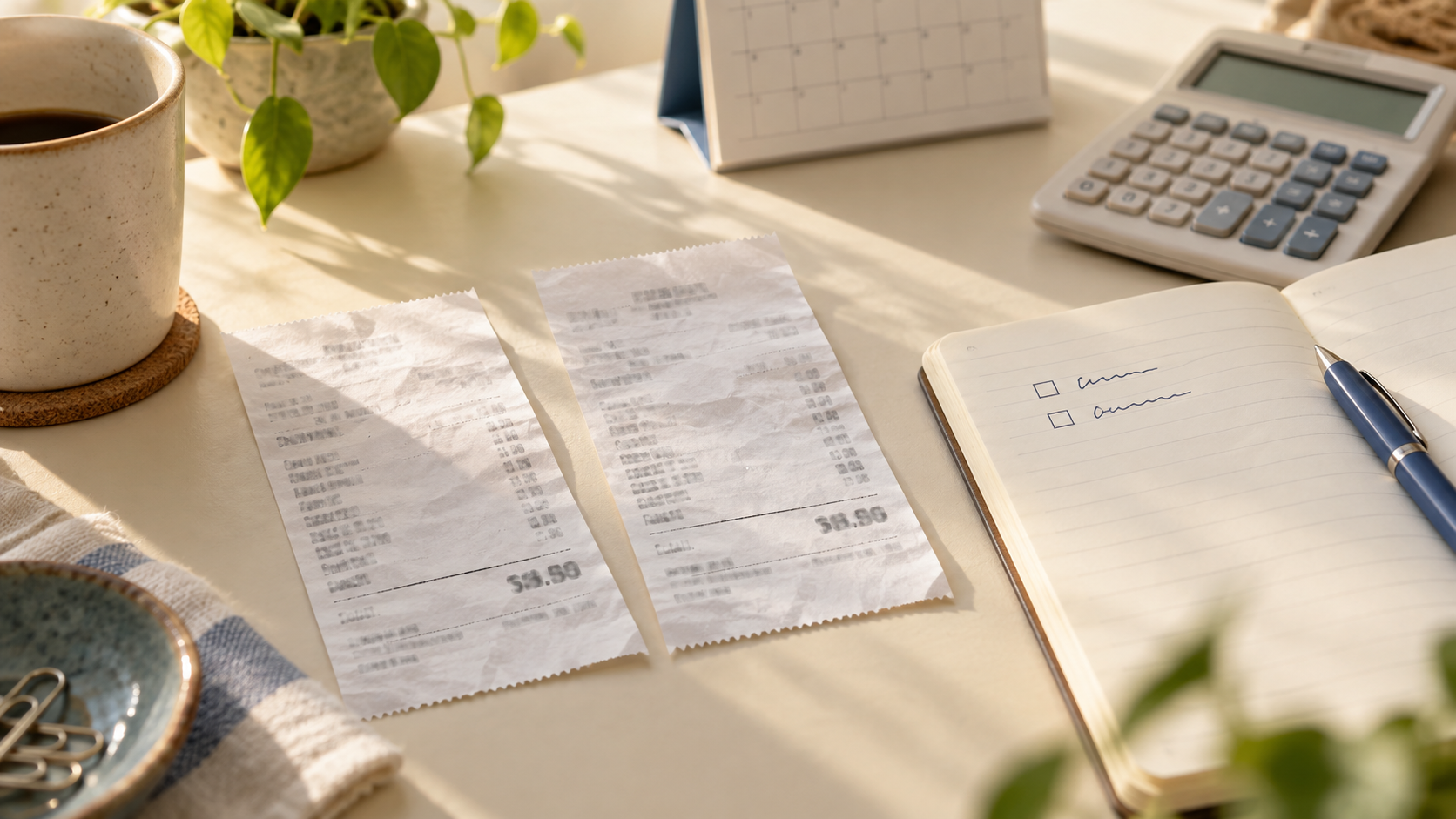
Payoff math is only one side of the choice. Mark your next paydays and essential bills on a cash-flow calendar. Include housing, food, transport, minimum payments on other debts, and known irregular expenses. Then subtract the proposed payoff from money that is actually available—not an expected reimbursement or a paycheck that has not arrived.
If paying in full would leave no room for a near-term bill, consider whether a smaller extra payment fits better. First verify how that payment would be applied and whether any charge or minimum amount applies. An extra debt payment budget can help you choose a repeatable amount while keeping the rest of the month intact.
Ask what happens after you pay
Before sending funds, confirm the exact instructions and expected processing timeline with the lender. Find out whether automatic payments stop on closure or need separate action, and how you will receive confirmation that the balance is zero. Do not cancel a scheduled payment solely because you initiated a payoff; wait for the lender’s instructions and account status.
Afterward, save the payment receipt and final statement. Check that the amount posted as expected and that no additional payment is due. If the account still shows a balance or a payment posts unexpectedly, use those records to ask the lender for a reconciliation. Keep any budget entry separate from the loan balance: Furt Money can help you categorize the cash outflow and review spending patterns, while the lender is the source for the debt’s status.
Use a five-point decision check
Before committing, write down:
- The agreement’s rule for early payoff and any applicable charge.
- The written payoff amount, its included charges, and the date it expires.
- The total of remaining scheduled payments for the same loan.
- The cash left for essential bills and a practical buffer after payment.
- The payment instructions and how you will verify closure.
If one of these is missing, get it before sending the money. The next useful step is not to guess whether an early payoff is “good”; it is to request the dated quote and compare it with your real cash-flow calendar.