Cleaning costs rarely arrive as one neat bill. They show up as spray, detergent, trash bags, sponges, vacuum filters, laundry products, gloves, replacement parts, and the occasional paid cleaning help when life gets full.
A home cleaning budget gives these small costs a place to land. It helps you restock before everything runs out and decide when paying for help is worth it.
The goal is a home that works, not a supply cabinet full of products you barely use.
List Your Regular Supplies
Start with what you actually use. Walk through the kitchen, bathroom, laundry area, floors, and trash setup.
Common items include:
- dish soap and dishwasher products
- laundry detergent and stain treatment
- surface cleaner and bathroom cleaner
- sponges, cloths, brushes, and gloves
- trash bags and recycling supplies
- vacuum bags, filters, or mop heads
- paper products if your household uses them
This list becomes your normal restock plan. Anything outside it should be a choice, not a reflex.
Separate Supplies From Equipment
Supplies run out. Equipment wears out. They need different budget treatment.
Supplies belong in a monthly or regular household category. Equipment may need a small replacement fund for items like a vacuum, mop system, iron, laundry rack, or storage bins.
This prevents a broken vacuum from ambushing the grocery budget.
Choose A Restock Rhythm
Buying cleaning supplies one emergency at a time can be more expensive and annoying. Pick a restock rhythm that matches your household.
Options include:
- check supplies every payday
- restock monthly
- keep one backup for high-use items
- buy refills only when the current item is half empty
- review bulk purchases before storage gets crowded
The rhythm should reduce last-minute trips, not create a warehouse at home.
Watch Product Duplication
Cleaning aisles make it easy to buy a special product for every surface. Before adding something new, ask what it replaces.
Use this rule: one product in, one role defined. If you cannot name when you will use it, skip it.
Product duplication wastes money and space. It can also hide what actually needs restocking because the cabinet looks full but nothing useful is available.
Budget For Occasional Help
Paid cleaning help can be a practical decision during illness, new-parent months, busy work periods, moves, guests, or deep-cleaning needs. It should be planned honestly.
Decide:
- what task you would pay for
- how often help would be useful
- what amount fits without crowding essentials
- whether it replaces other spending or adds to it
- what you can simplify instead if help is not affordable
This keeps paid help from being either a guilty emergency or an unexamined expense.
Review Household Drift
Every few months, check whether cleaning costs are rising because of real needs or scattered buying.
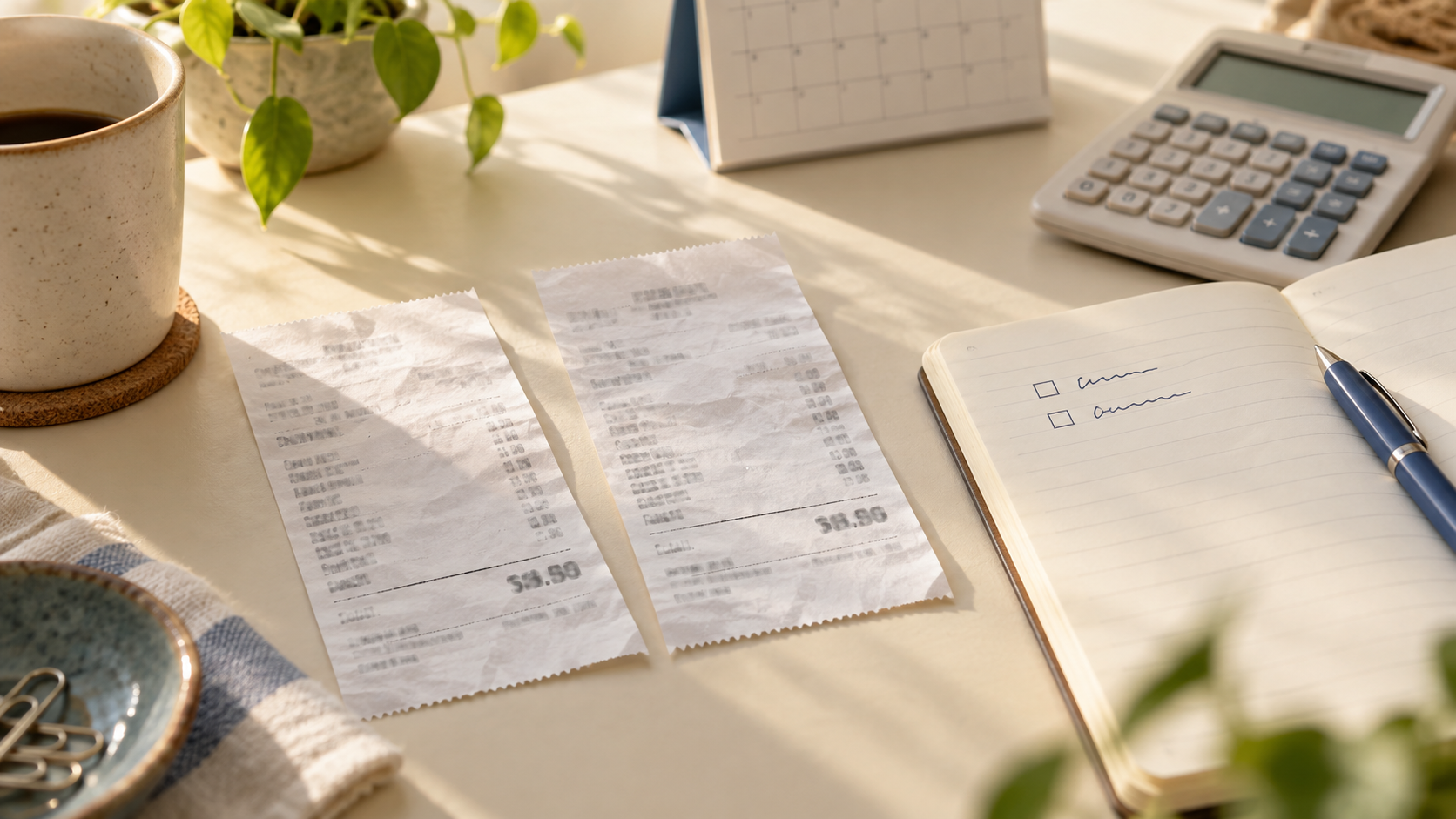
If you use Furt Money, review household, groceries, and maintenance categories together. Cleaning items often hide in grocery receipts unless you separate them.
A home cleaning budget should make ordinary care predictable. Keep a real supply list, separate equipment from refills, and restock on purpose instead of reacting to the empty bottle.