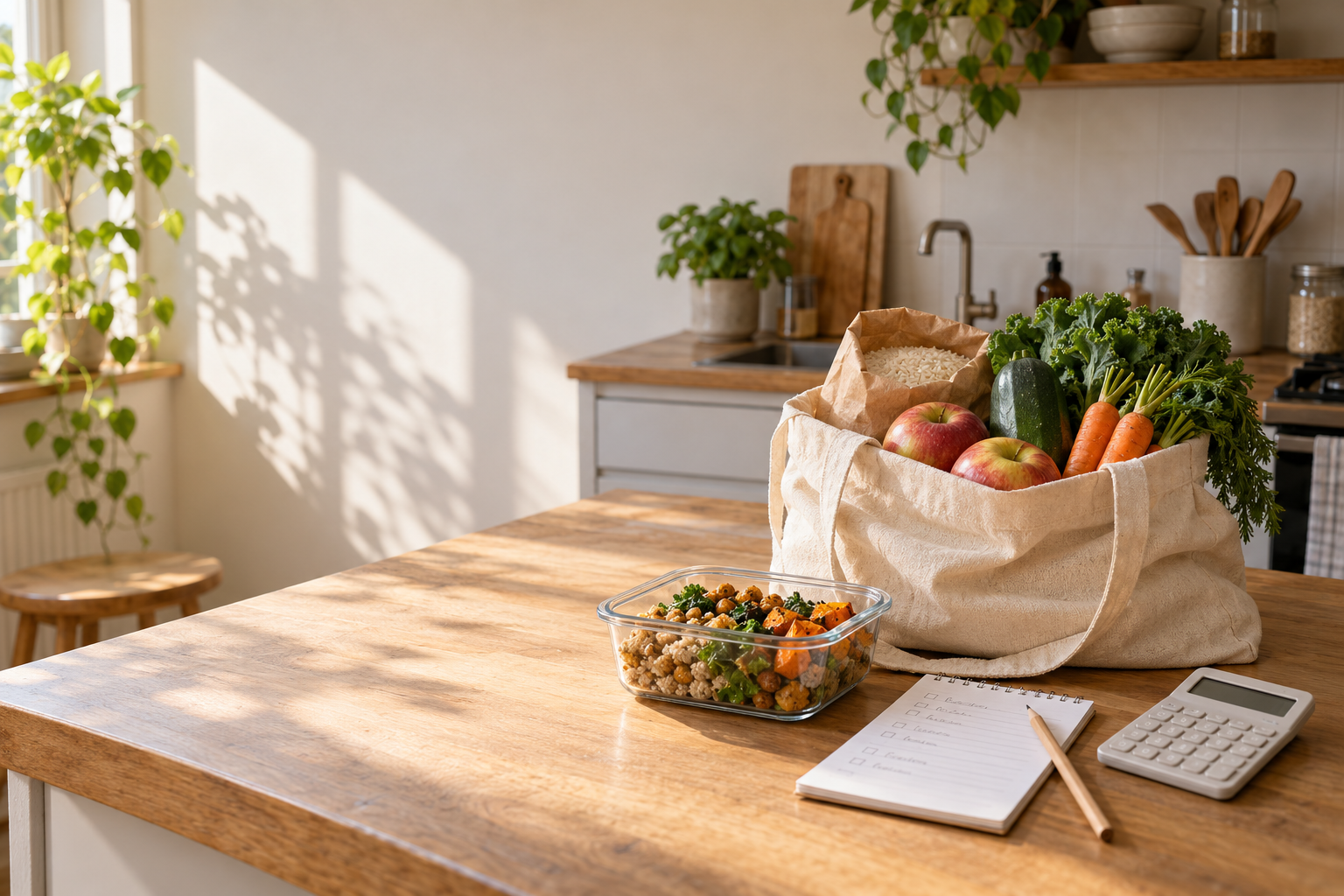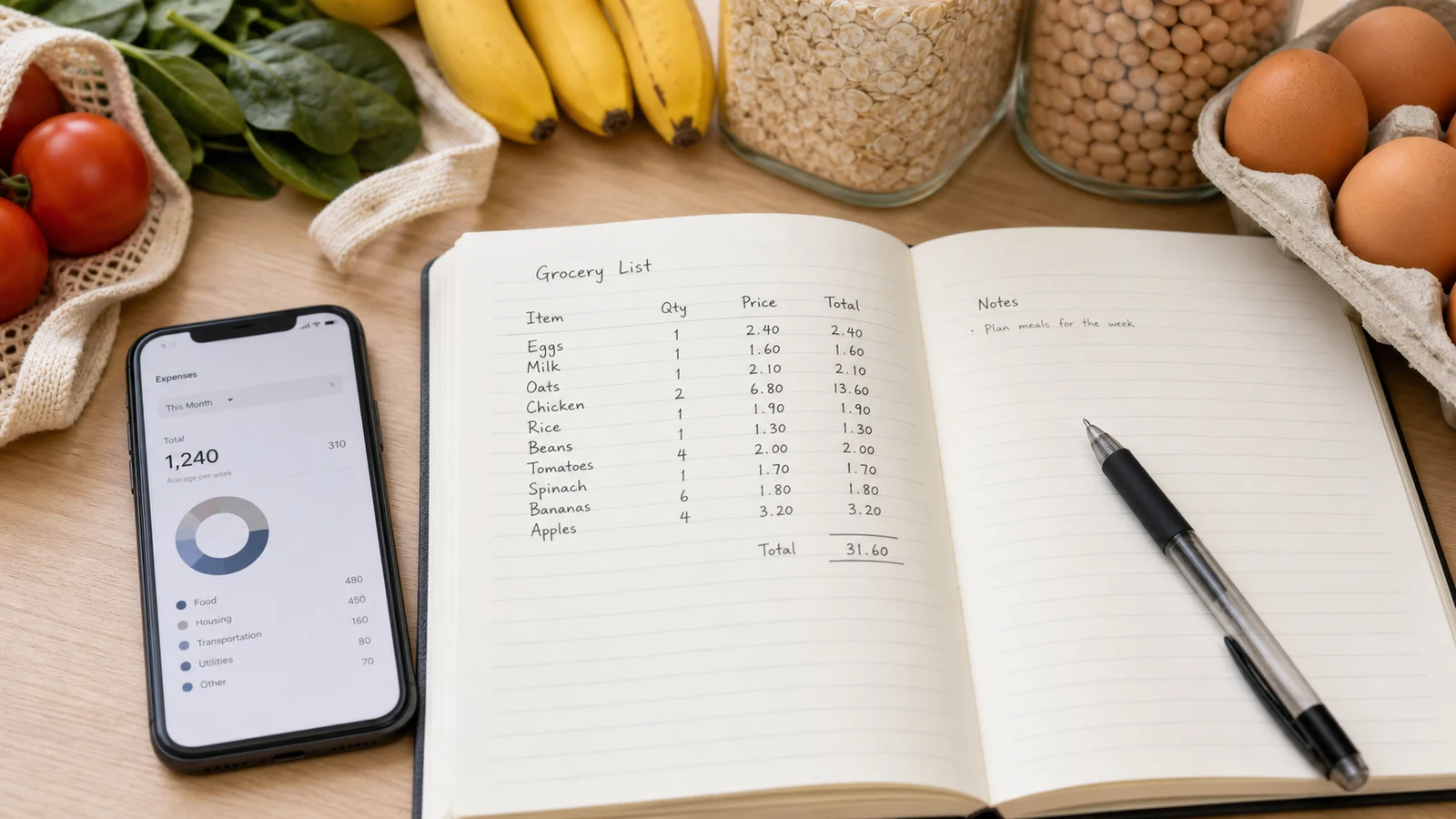
A grocery price book is a simple record of what your usual foods actually cost. It can live in a notebook, spreadsheet, notes app, or budgeting routine. The format matters less than the habit: write down the items you buy often, where you bought them, the package size, the price, and the date.
Food spending can feel unpredictable because grocery trips mix essentials, treats, household supplies, sale tags, bulk packs, and last-minute decisions. A price book gives you a quieter reference point. Instead of guessing whether a deal is good or whether a store is expensive, you have your own recent history to compare.
You do not need to track every product in the store. Start with the repeat purchases that shape your food budget, then use the price book to make better choices one trip at a time.
Start with your repeat staples
A useful grocery price book begins with the foods you buy again and again. These are the items where small price differences can matter because they show up so often.
Choose 10 to 20 staples from your normal routine, such as:
- Rice, pasta, oats, flour, or bread
- Eggs, milk, yogurt, cheese, or other regular dairy items
- Beans, lentils, canned tomatoes, tuna, or pantry proteins
- Chicken, tofu, ground meat, or other common proteins
- Bananas, apples, greens, carrots, onions, or frozen vegetables
- Coffee, tea, cereal, snacks, or lunchbox basics
Do not start with rare ingredients, party food, or one-time cravings. They may be worth tracking later, but they will not teach you as much about the everyday budget.
If you track spending in Furt Money, look at your grocery category for the last few weeks and notice which items appear in most receipts. Those repeat items are your first price book list.
Record price in a way you can compare
The shelf price alone can be misleading. A large package may cost more at checkout but less per serving. A sale item may look cheap until you notice it is a smaller size than usual. A premium version may not fit the job you need it to do.
For each item, record:
- Item name
- Store
- Brand or store brand, if it matters to you
- Package size or weight
- Total price paid
- Unit price, if the tag provides it
- Date
- Any note that affects comparison, such as sale, coupon, bulk pack, or special quality
Unit price is the most useful number when package sizes differ. It tells you the cost per ounce, pound, liter, piece, roll, or other standard measure. If the store tag already shows a unit price, copy it. If not, divide the total price by the size when it is worth the effort.
Keep the system plain. The goal is to make the next grocery decision easier, not to build a perfect database.
Use a “good price” line for each item
After a few trips, you will start to see a normal range. One store may have better pantry prices. Another may be better for produce. A bulk pack may only be worth it when you can finish it before it spoils.
Add a simple “good price” line beside each staple. This is not a universal number. It is your personal reference based on the stores, brands, package sizes, and eating habits that fit your life.
For example:
- Oats: buy when the unit price is near my lower recent price
- Eggs: buy one carton unless the larger pack is clearly cheaper and will be used
- Rice: stock up only when the price is below my normal pantry price
- Apples: compare by weight, not by bag size
This turns shopping into a decision rule. When the current price is ordinary, buy what you need. When the price is genuinely low and the item stores well, consider buying a little extra. When the price is high and the item is flexible, swap, wait, or reduce the amount.
Separate stock-up items from fresh food
A price book works best when you treat shelf-stable and fresh items differently.
Stock-up items can usually handle a larger buy if the price is good and you have storage space. Pantry staples, frozen vegetables, canned goods, toiletries bought at the grocery store, and some household basics may fit this group.
Fresh food needs a stricter rule. A large discount does not help if half the produce spoils, the protein sits unused, or the meal plan changes. For fresh items, the best deal is often the amount you will actually eat.
Before buying extra, ask:
- Will I use this before it loses quality?
- Do I have freezer, pantry, or fridge space?
- Does this fit meals I already planned?
- Am I buying extra because the price is good or because the sale sign feels urgent?
- Will this crowd out money needed for other groceries this week?
The price book should support your real kitchen, not pressure you into turning your home into a mini warehouse.
Plan the grocery list from the price book
Before shopping, scan your price book and make a short list of items worth checking. This helps you enter the store with a plan instead of letting every sign make the decision for you.
Try this routine:
- Review what you already have at home.
- Choose meals that use existing food first.
- Mark staples that are running low.
- Check which items have a known good price.
- Decide which items are okay to swap if prices are high.
- Set a grocery spending target before checkout.
This is especially useful when food spending has been creeping up. You may find that the problem is not one dramatic purchase. It may be several normal staples rising at once, more convenience food than usual, or buying too many backups without using them.
A price book gives you enough detail to adjust without blaming the whole grocery category.
Watch for false savings
Not every lower price saves money. Some deals move spending forward instead of reducing it. Others create waste, require a second purchase, or encourage buying food that does not fit your week.
Be careful with:
- Multi-buy offers on items you rarely finish
- Bulk packs that require more storage than you have
- Discounts on ingredients that need extra expensive items to become a meal
- Specialty snacks that enter the cart only because they are on sale
- Store trips made only to chase one small discount
- Coupons that change your list instead of supporting it
The question is not “Is this cheaper?” The better question is “Will this lower my real food spending after I use it?”
That distinction keeps the price book practical. It should make you calmer at the store, not more reactive.
Review your food category once a month
A grocery price book becomes more valuable when you connect it to your broader budget. Once a month, compare the price notes with your actual grocery spending.
Look for patterns:
- Which staples rose in price enough to affect the budget?
- Which store or shopping day usually works best?
- Which bulk buys helped, and which created clutter or waste?
- Which convenience foods are worth planning for on busy weeks?
- Did grocery spending fall while dining out or delivery rose?
- Does the food budget need a small adjustment, or does the shopping routine need one?
If you use Furt Money, review groceries alongside dining out, delivery, coffee, and household supplies. Food spending is easier to understand when you can see where the whole category goes, not just what happened in the grocery aisle.
Keep it small enough to repeat
The best grocery price book is the one you will actually keep using. It can be messy. It can skip weeks. It can track only 15 items. It can focus on one store. That is still enough to reduce guesswork.
Start with your next receipt. Pick five staples, record the store, size, price, and date, then do the same on your next few trips. After a month, choose one item where the price book changes your decision.
You do not need to become an expert shopper overnight. You only need a clearer memory than the sale tag. A small price book can help you buy the foods you use most, avoid false deals, and keep grocery spending connected to the budget you are trying to live with.