Freelance income can look larger than it feels because not all of it is yours to spend. Some of it may need to cover taxes, business expenses, unpaid time, software, equipment, and slow months. When everything lands in one account, it is easy to mistake gross income for available money.
A freelance tax savings routine gives tax money a separate job as soon as income arrives. It is not tax advice and it does not replace a qualified professional. It is a cash-flow habit that helps you stop spending money that may be needed later.
The calmer routine starts before the tax deadline.
Know Which Income Needs Sorting
Start by listing the income streams that arrive without normal payroll withholding or predictable deductions. That may include client invoices, consulting work, digital sales, contract projects, platform payouts, or occasional professional work.
For each payment, ask:
- Is this gross income or already net of platform fees?
- Does any part need to be saved for taxes?
- Does any part reimburse expenses already paid?
- Is this recurring income or one-time money?
- When might related costs arrive?
This prevents every payment from feeling like spendable cash.
Move Tax Money First
Create a routine for separating tax money before you pay yourself for everyday spending. The exact amount depends on your country, income, business structure, deductions, and personal situation, so use guidance from a tax professional or official resources.
The habit is simple:
- Payment arrives.
- Record the income.
- Move the tax portion to a separate account or bucket.
- Move business expense money if needed.
- Treat only the remainder as available personal income.
If you cannot separate the full amount yet, separate something immediately and adjust the routine with professional guidance.
Track Expenses While They Are Fresh
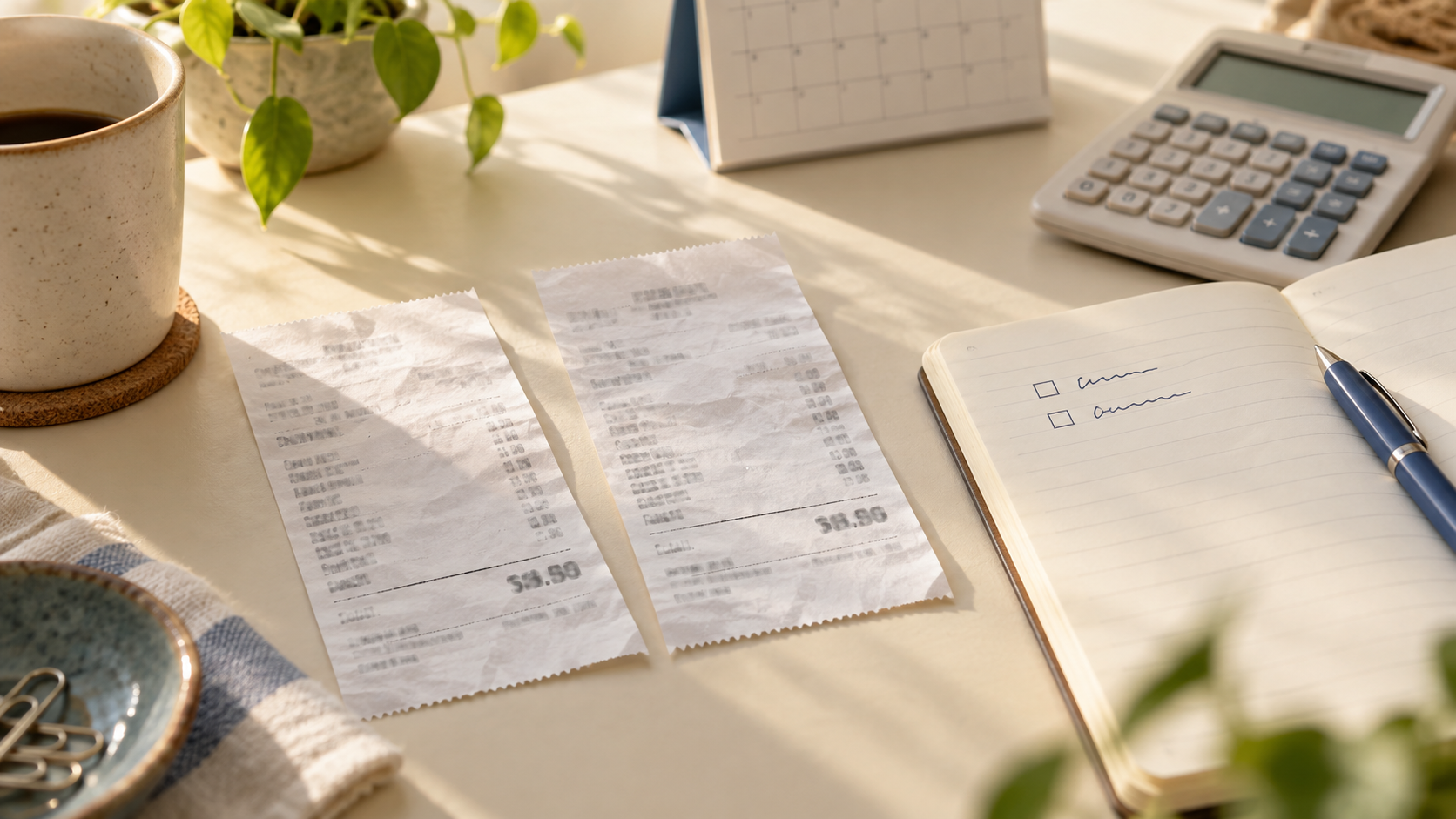
Freelance tax stress often comes from missing records, not only missing money. Build a weekly habit for receipts, invoices, mileage, software, equipment, and other business costs that may matter later.
Keep the system boring:
- one folder for receipts
- one list for unpaid invoices
- one place for client payments
- one note for questions to ask your tax preparer
- one monthly review of business subscriptions
Do not rely on memory at year-end. Memory is a poor filing system.
Plan For Payment Timing
Tax payments may not line up with client payments. A strong freelance routine watches timing as much as totals.
Create a calendar for expected tax deadlines, bookkeeping days, invoice follow-ups, and slow work periods. Then check whether your tax savings account is on pace before the deadline is close.
This is where Furt Money can help with ordinary tracking: categorize income-related expenses, review recurring business costs, and notice when personal spending is leaning on money that should stay reserved.
Protect Personal Bills From Business Volatility
Freelance income can create false confidence after a good month and panic after a slow one. Keep personal bills separate from business swings as much as possible.
Useful rules include:
- Pay yourself a steady amount when possible.
- Keep tax money out of daily spending accounts.
- Hold a buffer for delayed clients.
- Avoid upgrading personal spending after one strong payment.
- Review unpaid invoices before assuming cash is available.
This helps your personal budget respond to real income, not the mood of the latest invoice.
Review The Routine Monthly
Once a month, check four numbers: income received, tax money moved, business expenses paid, and personal pay taken. If those numbers are unclear, the system needs simplifying.
A freelance tax savings routine should make tax season less dramatic by making each payment more honest. Separate money early, keep records while they are fresh, and let professional tax advice guide the details you should not guess.