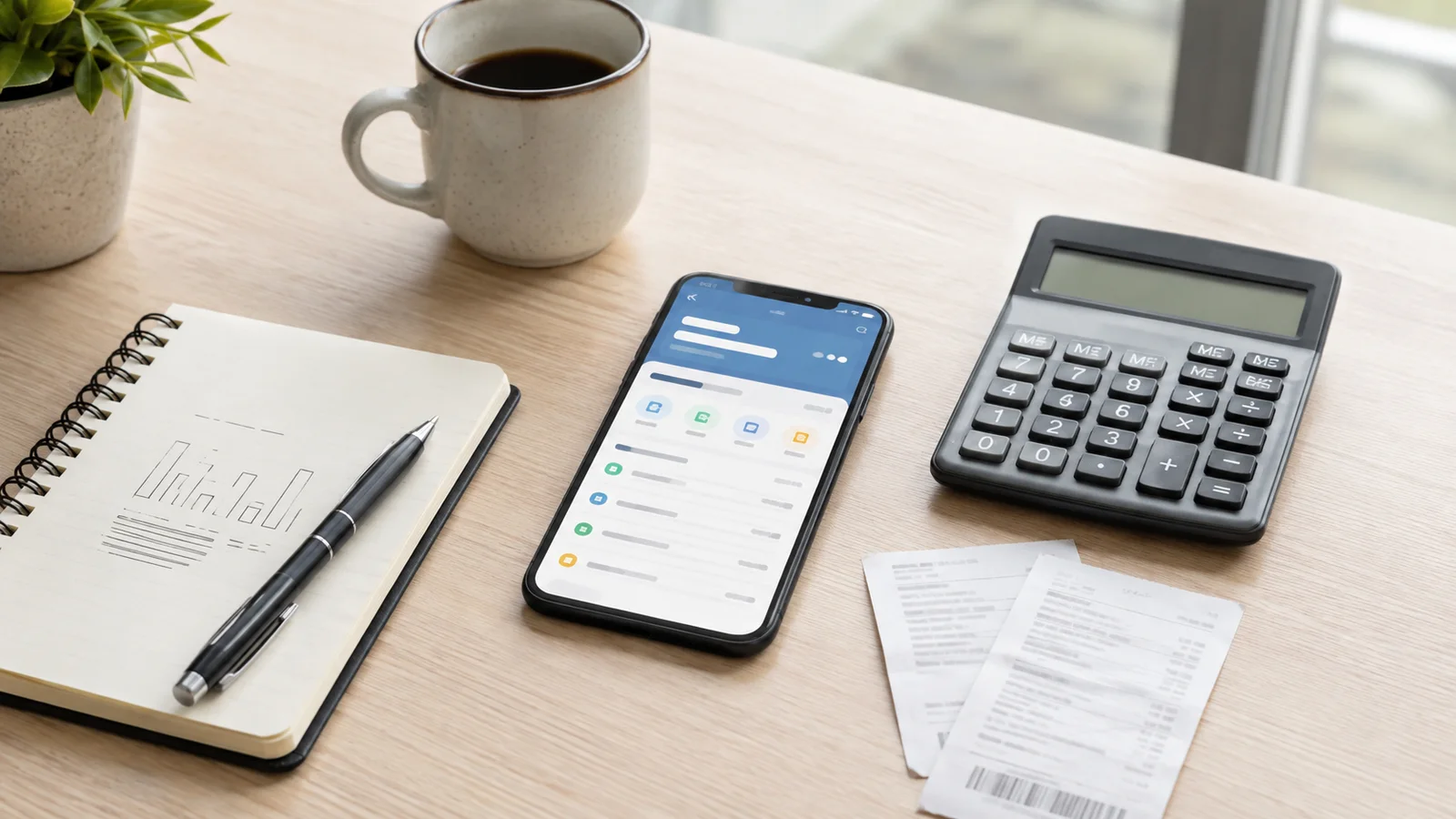
Your bank balance can look more confident than your real budget. A paycheck may have landed, a card payment may not have cleared, a restaurant tip may still be pending, and a subscription might be scheduled for tomorrow. The number on the screen is useful, but it is not always the amount you can safely spend.
An available balance budget gives that number a reality check. It separates money that is truly free to use from money that already has a job, so ordinary timing delays do not turn into overdrafts, missed payments, or a stressful few days before payday.
Start with the balance you can actually touch
Begin with the account you use for everyday spending. Write down the current available balance, then treat it as a starting point instead of an answer.
Some accounts show several numbers: current balance, available balance, pending balance, credit limit, or projected balance. For day-to-day budgeting, use the most conservative number you can rely on. If a deposit is visible but not fully usable, do not build spending plans around it yet. If a card charge is pending, assume that money is already gone.
This small habit matters because timing can make a healthy month feel broken. A bill that clears one day earlier than expected or a paycheck that arrives after a weekend can create pressure even when your monthly income is technically enough.
Subtract the money that is already assigned
After you write down the available balance, remove the money that has a clear job before your next income arrives. This is the part many budgets skip.
Look for:
- Rent, mortgage, or housing payments that have not cleared
- Utility bills, insurance premiums, and subscriptions due soon
- Credit card or loan payments already scheduled
- Grocery, fuel, transport, or medicine money you still need
- Transfers to savings or sinking funds that you plan to keep
- Cash you owe someone else for shared costs
- Pending card transactions that have not posted yet
The remaining number is closer to your true flexible spending. It may be smaller than the bank app suggests, but it is also more useful. A smaller true number is better than a larger number that causes trouble later.
If you use Furt Money to categorize expenses, compare the upcoming items with your normal categories. This helps you avoid treating a predictable bill like a surprise.
Create a pending transaction parking spot
Pending transactions are easy to forget because they feel half finished. They happened, but the final amount may not be posted. They are visible, but not always included the way you expect. This is common with restaurants, hotels, fuel stations, online orders, refunds, and card authorizations.
Create one place where pending money waits until it clears. It can be a note, a line in your budget, or a temporary category. Keep it simple:
- Date of the purchase
- Merchant or reason
- Estimated final amount
- Account or card used
- Whether the amount has cleared
- Any refund or adjustment you expect
Do not spend the same money twice while it is pending. If the final charge is lower than expected, you can release the difference later. If it is higher, the budget has already prepared for the possibility.
Match your budget to the next few dates
An available balance budget works best when it is tied to time. Instead of asking, “Can I afford this month?” ask, “What must this account handle before the next deposit?”
List the next few important dates:
- Bills scheduled before payday
- Card payments due before payday
- Subscription renewals
- Rent or utility drafts
- Planned grocery trips
- School, work, medical, or transport costs
- The next expected paycheck, invoice payment, or transfer
Then compare the order. A bill due on Tuesday matters more than a paycheck arriving Friday. A weekend can delay deposits or payments. A holiday can change when transfers settle. You do not need to predict every banking detail perfectly. You only need enough visibility to avoid spending as if all dates land in your favor.
Build a small “do not touch” floor
One of the easiest ways to protect yourself from balance confusion is to set a personal account floor. This is a small amount you try not to spend below unless something is truly urgent.
The floor is different from an emergency fund. It lives in the everyday account and protects the timing of regular life. It helps when a tip posts later, a bill drafts overnight, a transit card reloads, or a small purchase takes longer to appear.
Choose a starter floor that fits your situation. It might be 25, 50, 100, or another amount that feels realistic. The exact number is less important than the rule: if spending would push the account below the floor, pause and check what is still coming.
Over time, you can raise the floor. A larger buffer makes the bank balance less fragile, but even a small one can prevent rushed decisions.
Decide what counts as flexible money
Flexible money is not whatever remains after bills in your head. It is what remains after bills, pending transactions, basic needs, and your account floor are accounted for.
A simple formula looks like this:
Available balance minus pending transactions minus bills before payday minus basic needs before payday minus account floor equals flexible money.
That final number is the amount you can divide across meals out, hobbies, shopping, entertainment, gifts, or other optional spending. If the number is low, the answer is not moral failure. It is information. You may need a quieter week, a smaller grocery plan, a delayed purchase, or a category review.
This method also helps when money feels surprisingly available. A large deposit can make the account look wide open. The formula turns it into a plan before the money disappears into scattered purchases.
Use a three-step check before optional spending
You do not need a full budget meeting before every purchase. A quick check can catch most problems.
Before an optional purchase, ask:
- Has every pending transaction from the last few days been counted?
- Are all bills before the next income covered?
- Will this purchase keep the account above my floor?
If the answer is yes, the purchase is easier to make without second-guessing. If the answer is no or unclear, wait until the account catches up or move money intentionally from a category that can handle it.
This is especially useful for online shopping and tap-to-pay spending. The purchase feels instant, but the budget impact can trail behind it.
Review what cleared once a week
Pick one weekly moment to clean up the difference between planned and posted money. It should be short enough to repeat.
During the review:
- Check which pending transactions cleared
- Update any final amounts that changed
- Confirm scheduled bills were paid
- Remove holds, refunds, or duplicate estimates that are no longer relevant
- Compare flexible spending with the number you planned
- Adjust the account floor if it is too low to be useful
This review turns the bank account from a source of anxiety into feedback. If the same category keeps creating timing pressure, give it a clearer place in the next budget. If subscriptions keep surprising you, move them to a renewal list. If groceries are normal but posting late, account for that lag instead of blaming the whole month.
The bottom line
An available balance budget helps you stop treating the bank balance as permission to spend. Start with the available balance, subtract pending and upcoming obligations, protect a small account floor, and use the remaining number as your real flexible money.
Your next step: open your main spending account and list every bill or card charge that has not cleared yet. Subtract those items before making the next optional purchase. That one pause can make the rest of the pay cycle feel much calmer.