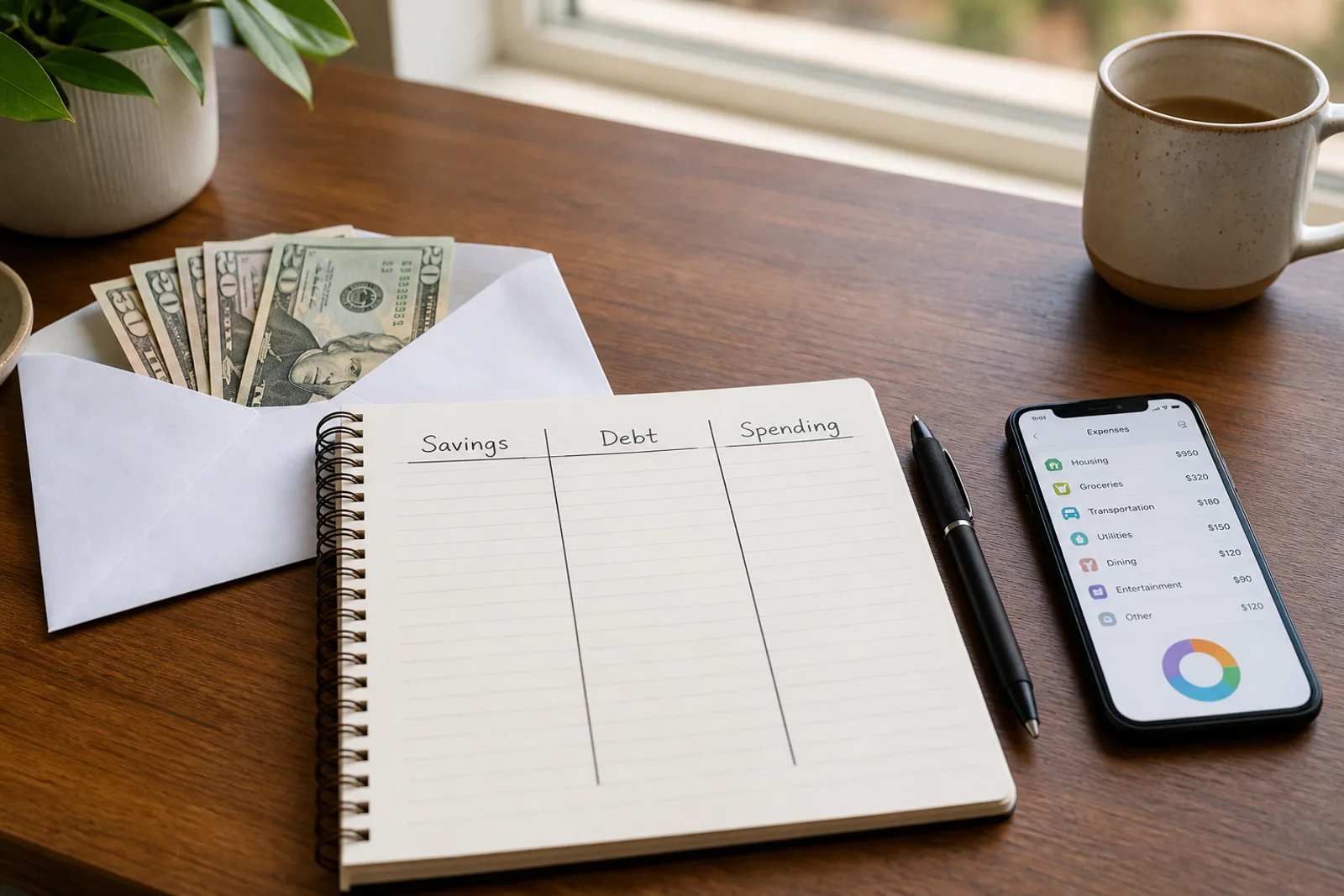
Extra money can feel easier to spend than regular income. A bonus, refund, gift, reimbursement, side-job payment, or cash from selling something may arrive outside the normal budget, so it does not always have a clear place to go.
That is why a windfall money plan helps. It gives unexpected or irregular money a few simple jobs before it blends into the checking account and vanishes through normal spending.
The goal is not to make every extra dollar serious. The goal is to decide on purpose.
Pause before assigning the money
The first rule for any windfall is to slow the decision down. Extra cash often arrives with a feeling attached to it: relief, excitement, pride, pressure, or the urge to finally buy something you have been delaying.
Give yourself a short waiting period before moving the money. A day or two is enough for small amounts. Larger amounts may deserve a week. During that pause, keep the money separate if you can, or at least mark it clearly in your budget.
Ask three questions:
- Is this money already owed to something?
- Would spending it create new ongoing costs?
- What would make me glad I had used this money well one month from now?
That pause turns the windfall from a mood into a decision.
Check whether the money is truly extra
Some windfalls are not really extra. They may be late income, reimbursement for money you already spent, a refund from overpaying, or cash that needs to cover an upcoming bill.
Before making plans, separate the money into two groups:
- Money that restores your budget, such as reimbursements, returned deposits, or pay that arrived late
- Money that expands your options, such as a bonus, gift, prize, or income above your normal plan
Restoration money should usually go back to the category it came from. If you paid for a work expense on your own card and later get reimbursed, that reimbursement is not new shopping money. It replaces cash that already left.
This one distinction prevents a common budget mistake: spending the same money twice.
Create a simple split
A windfall is easier to use well when you divide it into a few buckets instead of searching for the perfect choice.
Try a three-part split:
- Stability: emergency savings, checking account buffer, essential bills, or upcoming irregular expenses
- Progress: debt payoff, sinking funds, repairs, education, or a longer-term goal
- Enjoyment: something useful, fun, generous, or restorative that fits the size of the windfall
The exact percentages do not have to be universal. A tight month may put most of the money toward stability. A calmer month may leave more room for progress and enjoyment. The point is to avoid an all-or-nothing decision.
Even a small enjoyment portion can make the plan easier to follow. When every windfall is treated like a punishment, it becomes tempting to ignore the plan entirely.
Handle urgent pressure first
If your regular budget is behind, the windfall should reduce pressure before it funds upgrades.
Look for the most immediate sources of stress:
- Rent, mortgage, utilities, groceries, transport, or medicine
- Minimum debt payments that protect accounts from falling behind
- Insurance, childcare, school costs, or other essentials due soon
- Fees or overdraft risks that can be avoided with quick action
- Repairs that affect safety, work, or basic daily routines
This does not mean every windfall must disappear into bills. It means essentials get checked before optional spending gets exciting. When the urgent items are covered, the rest of the plan becomes cleaner.
Use some money to prevent future surprises
Windfalls are useful for expenses that are predictable but easy to forget. These are the costs that do not happen every week, yet still show up often enough to disrupt the month.
Consider sending part of the money to:
- Car maintenance or transport repairs
- Medical, dental, or vision costs
- Annual subscriptions or insurance renewals
- School supplies, gifts, holidays, or travel
- Home repairs, appliance replacement, or moving costs
This is where a sinking fund can help. Instead of waiting for a future bill to become an emergency, you give it money while you have room. If you use Furt Money or another expense tracker, label the transfer clearly so the windfall stays connected to the future expense it is meant to cover.
Decide what not to do
A good windfall plan includes limits. Without limits, extra money can attract every postponed want at once.
Before spending, decide what the windfall will not cover. For example:
- No new monthly subscription unless it fits the regular budget
- No purchase that needs debt to complete
- No upgrade that creates higher maintenance costs
- No lending or gifting money you cannot afford to lose
- No impulse purchase before the waiting period ends
These rules are not about being rigid. They protect the windfall from turning into a chain of future obligations.
Make the transfer visible
Once you choose the split, move the money quickly. Leaving it loose in checking makes it easier to spend by accident.
You can make the plan visible by:
- Moving savings portions to a separate account or savings space
- Making a debt payment only after confirming your next bill cycle still has enough cash
- Creating a sinking fund note for the future expense
- Recording the amount and category in your budget
- Keeping a short note about why you chose the split
Visibility matters because windfalls are irregular. If you do not record the decision, it may be hard to remember later why your balance changed or whether the money has already been assigned.
Review the result, not just the plan
A month later, look back at what happened. Did the windfall reduce stress? Did it prevent a future bill from becoming a problem? Did the enjoyment portion feel worth it? Did any of the money disappear without a clear memory?
Use the answers to improve the next plan.
If the money disappeared into everyday spending, the next windfall may need faster transfers. If you felt deprived, the next plan may need a small planned treat. If bills still felt tight, the stability bucket may need to come first for a while.
The best windfall plan is one you can repeat without overthinking it.
The simple next step
The next time extra money arrives, write down the amount and wait before spending it. Then choose three jobs: one that makes life more stable, one that moves a goal forward, and one that lets you enjoy part of the money on purpose.
Extra cash does not have to solve everything. It just needs a clear job before the month spends it for you.