Small price changes are easy to miss because they rarely feel like a major decision. A streaming plan rises a little. Delivery fees change. Insurance renews at a higher monthly amount. Groceries cost more than the last time you built your budget. None of these changes may be dramatic on their own, but together they can make a careful plan feel strangely tight.
A price change watchlist is a simple place to track the costs most likely to move. It does not need to be complicated. The goal is to notice changes early, decide what still earns a place in your budget, and avoid discovering the problem only after your account balance already feels squeezed.
What belongs on a price change watchlist
Start with expenses that repeat, renew, or fluctuate enough to surprise you. The best watchlist is short enough that you will actually review it.
Good candidates include:
- Subscriptions and memberships that renew monthly or annually
- Internet, mobile, insurance, and utility bills
- Grocery staples you buy almost every week
- Delivery, ride-hailing, parking, and convenience fees
- Childcare, classes, clubs, or activity fees
- Software, cloud storage, and professional tools
- Minimum payments or service charges attached to debt
Skip tiny one-off purchases unless they repeat often. A single higher snack price is probably not worth tracking. A weekly habit that keeps getting more expensive might be.
Keep the watchlist simple
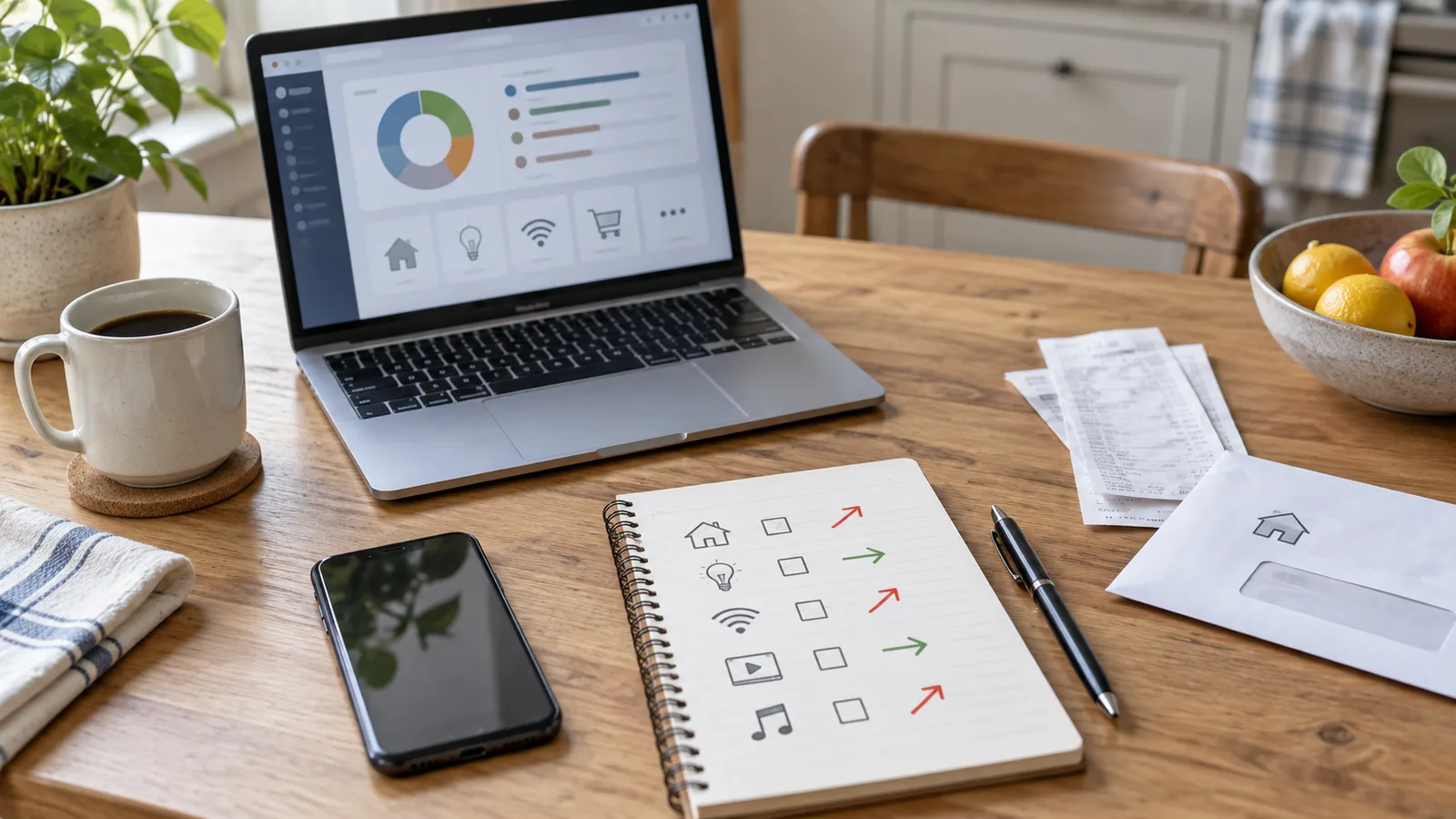
Your watchlist can live in a notebook, spreadsheet, notes app, or budgeting app. What matters is that each item answers four questions:
- What is the item?
- What did it used to cost?
- What does it cost now?
- When do you need to decide again?
That last question is the one people often miss. A price increase is easier to handle when you catch it before renewal, before the next billing cycle, or before you restock the same item out of habit.
If you use Furt Money to categorize spending, your categories can help you spot which areas deserve a place on the watchlist. You might notice that household supplies, food delivery, or app subscriptions are drifting upward even when individual transactions look harmless.
Review renewals before they happen
Annual renewals are some of the easiest costs to forget because they disappear for most of the year. By the time the charge posts, the money may already be gone.
Set a reminder at least two weeks before any larger renewal. When the reminder comes up, ask:
- Do I still use this enough to keep it?
- Has the price changed since last year?
- Is there a cheaper plan that still fits my needs?
- Do I need to update my budget for the next cycle?
- Would cancelling now create a fee, lost access, or another hassle?
This is not about cancelling everything. It is about making the renewal a choice instead of a surprise.
Watch for quiet category drift
Some price changes are not tied to a formal renewal. They show up as a category that keeps needing more room. Groceries, transport, household supplies, school costs, and pet care can all drift this way.
Choose a few categories to review once a month. Compare your current spending with the amount you expected to spend. If the gap repeats for two or three months, treat it as information rather than failure.
You usually have three options:
- Raise the category because the old number is no longer realistic
- Change the routine that is pushing the cost up
- Move money from a lower-priority category to protect the one that matters more
A budget that updates with real life is stronger than one that looks perfect but keeps breaking.
Decide what action each change needs
Not every price increase deserves the same response. Use a simple decision rule so you do not spend an hour debating every line.
If the item is essential and the price increase is manageable, update the budget and move on. If the item is useful but not essential, compare the new price with how often you use it. If the item is rarely used, cancel, pause, downgrade, or replace it.
For variable everyday costs, look for the smallest useful adjustment first. That could mean changing one grocery staple, batching errands, setting a delivery limit, or moving a subscription to a shared household decision. You are looking for a repeatable fix, not a dramatic reset.
Build a monthly price-change routine
Pick one predictable time each month to review the watchlist. Ten minutes is enough if the list is focused.
A useful monthly routine looks like this:
- Check new bills, receipts, and upcoming renewals.
- Mark any item that changed price.
- Decide whether to keep, adjust, pause, cancel, or research.
- Update the next month’s budget where needed.
- Remove old items that no longer need attention.
The last step matters. If the watchlist becomes a graveyard of old notes, you will stop trusting it. Keep it current and small.
Make room without punishing yourself
When prices rise, it is tempting to respond by cutting every pleasant expense at once. That can work for a week and then backfire. A calmer approach is to protect the basics first, then choose one or two tradeoffs that are easy to repeat.
You might keep the family membership because everyone uses it, but pause two small subscriptions that no one misses. You might keep grocery quality the same, but plan one fewer delivery meal each week. You might keep your phone plan, but remove paid add-ons that slipped in over time.
The point is not to make life smaller. The point is to keep your money aligned with what you still value at the new price.
The next step
Start with five items: one subscription, one utility-style bill, one grocery staple, one annual renewal, and one category that has felt tight lately. Write down the current cost and the next decision date.
That tiny watchlist gives your budget an early-warning system. The sooner you see a price change, the more choices you have before it becomes stress.