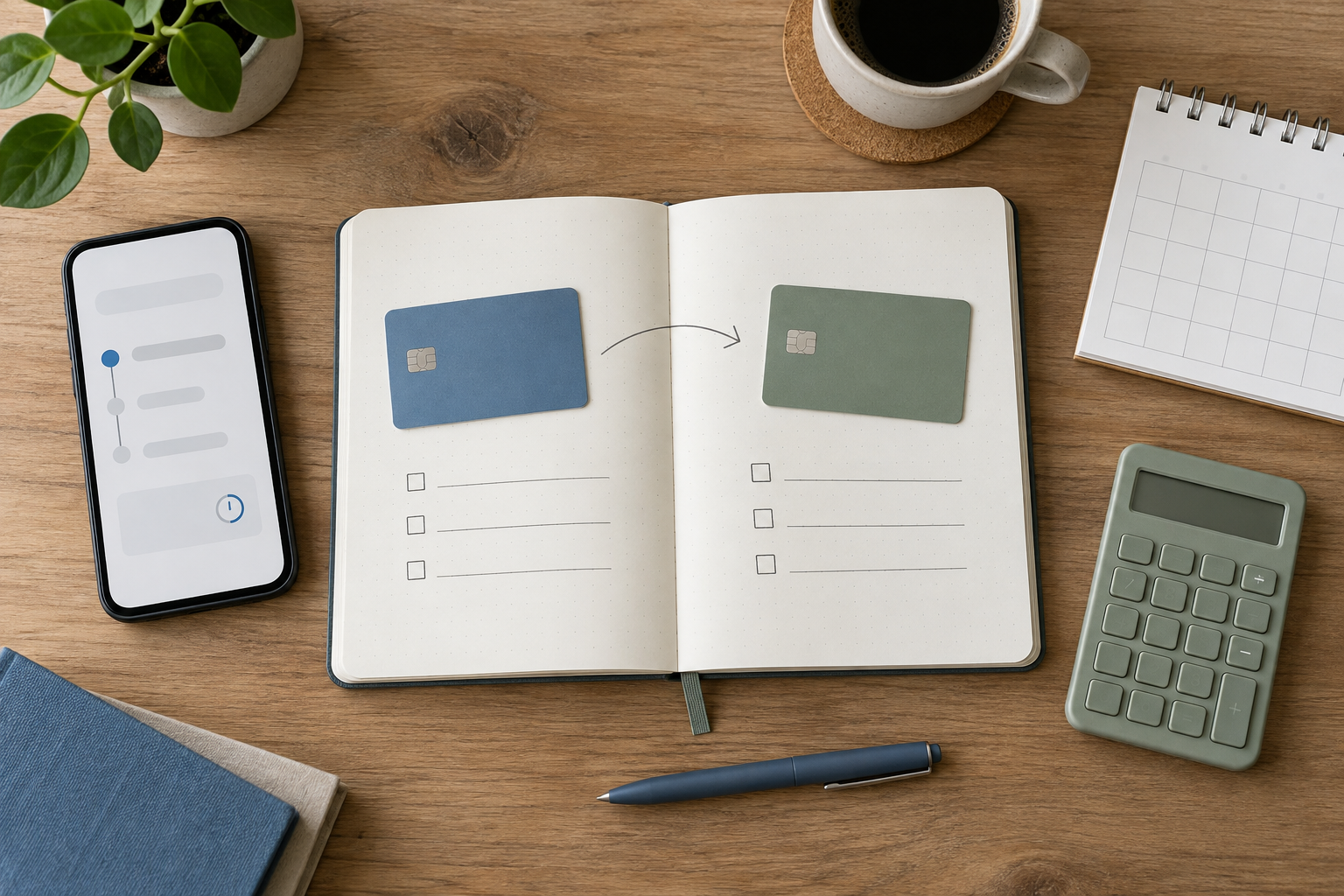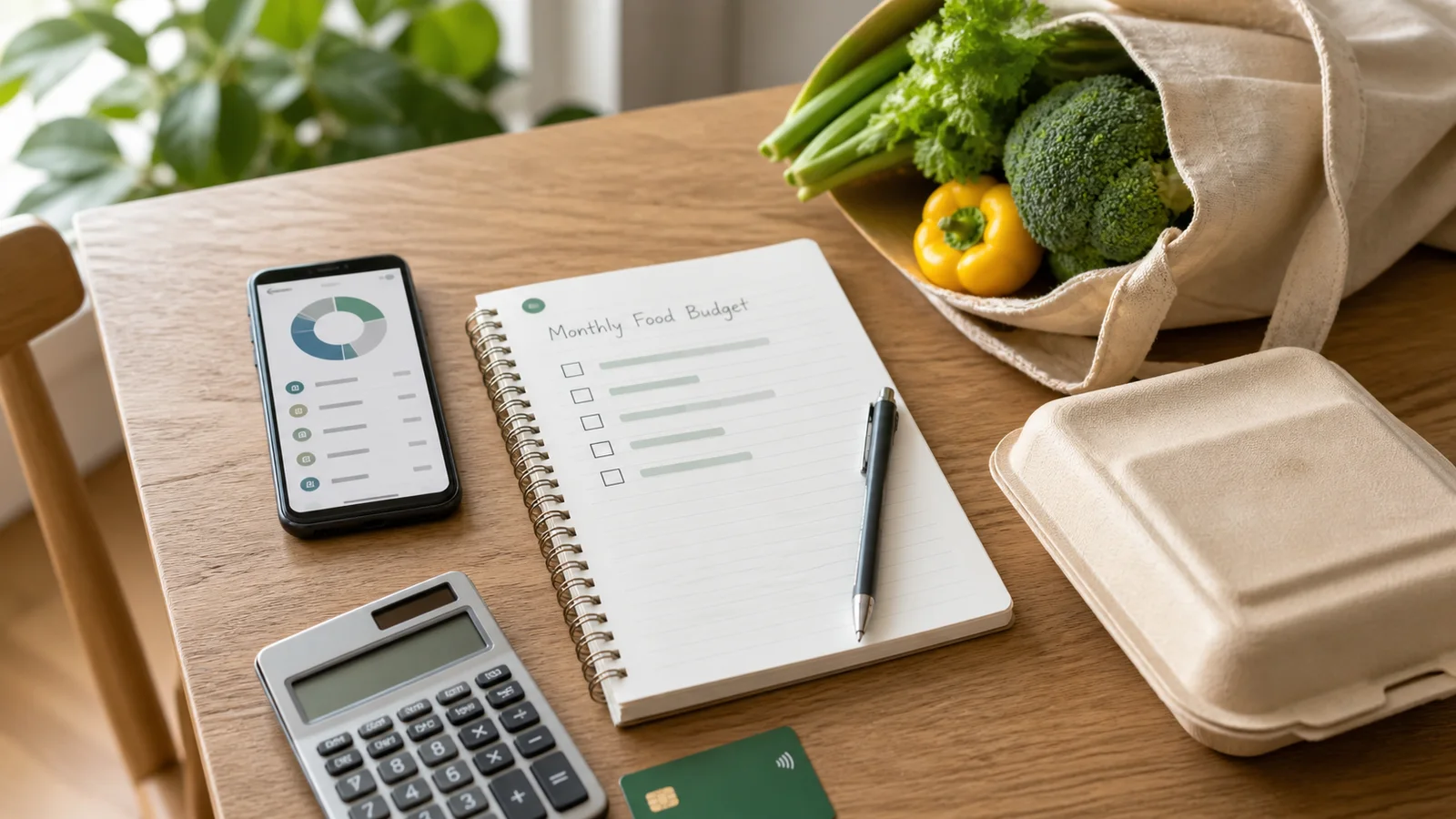
Convenience spending is not automatically wasteful. Paying for delivery after a difficult day, taking a ride when transit would be unsafe or too slow, or buying pre-cut ingredients during a packed week can be a practical choice.
The problem starts when convenience becomes invisible. A few delivery fees, app charges, rides, service add-ons, and “just this once” shortcuts can make a normal month feel confusing. You may not regret any single purchase, but the pattern can still crowd groceries, savings, debt payments, or breathing room before payday.
A convenience spending budget gives these purchases a place in the plan. It lets you pay for time and energy on purpose, without pretending every shortcut is free.
Define what convenience means for your life
Convenience looks different from person to person. Before setting a limit, write down the purchases that save you time, effort, planning, or emotional bandwidth.
Common examples include:
- Food delivery, pickup meals, prepared foods, and coffee runs
- Ride-hailing, paid parking, delivery passes, and rush shipping
- Grocery delivery fees, service fees, and tips
- Household services, laundry, cleaning help, or errand support
- App upgrades, booking fees, and small digital shortcuts
- Last-minute purchases caused by poor timing, such as buying lunch because food was not packed
Do not judge the list yet. The first step is visibility. If a purchase is mostly paying for speed, ease, or reduced effort, it probably belongs in the convenience conversation.
If you track expenses in Furt Money, review the categories where these charges usually hide. They may be spread across dining out, transport, groceries, shopping, subscriptions, household, and personal care.
Separate useful help from autopilot spending
Some convenience spending solves a real problem. Some simply continues because the path is easy.
Useful help usually has a clear reason:
- “I have a late work night, so pickup dinner protects the evening.”
- “A ride home is the safer option tonight.”
- “Grocery delivery saves enough time this week to be worth the fee.”
- “Prepared ingredients make it more likely that food at home gets used.”
Autopilot spending often sounds vaguer:
- “The app was already open.”
- “I did not check what was in the fridge.”
- “I forgot the deadline and paid for rush shipping.”
- “I was tired and every option felt annoying.”
The goal is not to remove every autopilot purchase immediately. The goal is to notice which ones repeat. Repeated convenience spending deserves a budget line because it is no longer a surprise.
Choose a monthly convenience number
Once you know what belongs in the category, choose a number for the next month or pay cycle. Keep it realistic. A convenience budget that assumes you will suddenly cook every meal, take every bus, and plan every errand perfectly will probably fail.
Start with three inputs:
- What you spent on convenience purchases last month
- Which purchases felt worth it afterward
- Which purchases made another category harder to manage
Then pick a number that creates a little more intention without requiring a total personality change. If last month was unusually chaotic, choose a lower but still usable number rather than trying to drop to zero.
You can keep one broad convenience category or split it into smaller lines, such as food delivery, rides, and services. Use the split only if it helps you make better decisions. Too many categories can make the review harder than the spending itself.
Give convenience a job before the month starts
A convenience spending budget works best when the money has a purpose. Instead of waiting for every tired moment to become a separate decision, decide what convenience is allowed to protect.
For example, your convenience money might cover:
- One planned delivery or pickup meal each week
- Rides during late nights, bad weather, or tight schedule changes
- Grocery delivery during the busiest week of the month
- A household service during a heavy work or caregiving period
- A small buffer for days when plans fall apart
This turns convenience from a leak into a tool. You are not asking, “Can I get away with this?” every time. You are asking, “Is this the job I wanted this money to do?”
If the answer is yes and the category has room, spend without guilt. If the answer is no, pause and look for a cheaper workaround.
Watch the fees around the purchase
Convenience spending often grows through the edges: service fees, small tips, delivery charges, subscriptions, premium timing, minimum order amounts, and impulse add-ons.
Before ordering or booking, check the full cost, not just the headline price. A meal that looks reasonable can become much higher after fees. A ride that feels quick may cost more during peak timing. A delivery subscription may make sense only if you use it intentionally and still watch the order total.
Try this quick rule: if the fee is the part that bothers you, look for a version with less friction.
- Pickup instead of delivery
- Standard shipping instead of rush shipping
- One larger grocery order instead of several small ones
- Transit for the easy direction and a ride for the hard one
- A simple backup meal instead of an app order
Small switches can keep convenience available without letting fees quietly take over the category.
Build a backup plan for high-risk moments
Convenience spending often happens when the original plan was too fragile. A backup plan reduces the number of expensive decisions you have to make while tired.
Choose backups for your most common pressure points:
- Keep two easy meals available for nights when cooking feels unlikely.
- Save one low-cost takeout option so ordering does not turn into browsing.
- Prepare a transport backup for late events or weather changes.
- Keep basic household items stocked so small emergencies do not require rush delivery.
- Decide the latest time you can order groceries before the week gets difficult.
Backups do not remove convenience from the budget. They make it more selective. When you still choose convenience after a backup is available, the purchase is more likely to be intentional.
Review the pattern, not just the total
At the end of the week or month, review the convenience category with curiosity. The total matters, but the pattern teaches more.
Ask:
- Which convenience purchases felt worth the money?
- Which ones were mostly caused by poor timing?
- Did convenience spending replace groceries, transport, or household spending already planned?
- Were there specific days, moods, apps, or routines behind the charges?
- Would a small change prevent several repeat purchases next month?
If you use Furt Money, this is where clean categories help. Look at delivery, rides, household services, and app charges beside the rest of the budget. The pattern may show that the real fix is meal planning, schedule padding, a clearer grocery list, or removing one saved card from an app.
Keep convenience intentional
A convenience spending budget is not about proving you can do everything the hard way. Life gets busy, energy changes, and sometimes paying for help is a reasonable use of money.
Start with one step: find last month’s convenience purchases and mark which ones you would happily choose again. Then set a number for the next pay cycle and give it a job.
When convenience has a limit and a purpose, it can support your life without quietly steering the whole budget.