Buy now, pay later can make a purchase feel smaller than it really is. Instead of one full price, you see a few installments. That can be useful when the purchase is planned and the payments fit your cash flow. It can also make spending harder to see because the cost follows you into future paychecks.
A buy now, pay later budget is simply a way to treat every installment like a bill before you agree to it. The goal is not to ban payment plans. The goal is to keep tomorrow’s money from getting quietly claimed by yesterday’s shopping.
Start with the real total, not the first payment
The first payment is not the price of the purchase. It is only the entry point.
Before using a payment plan, write down the full amount you are committing to pay. Include shipping, taxes, fees, accessories, and any add-ons you would need to make the purchase useful. If the full amount would feel uncomfortable as a single line in your budget, the installment version deserves extra caution too.
A helpful rule:
- If you would not buy it at full price with cash this month, do not let the installment amount make the decision for you.
- If the item replaces a necessary purchase you already planned for, the payment plan may be easier to evaluate.
- If it is an impulse purchase, pause before turning it into a multi-week obligation.
This keeps the decision focused on value, not on the smallest number on the checkout screen.
Add every installment to your bill list
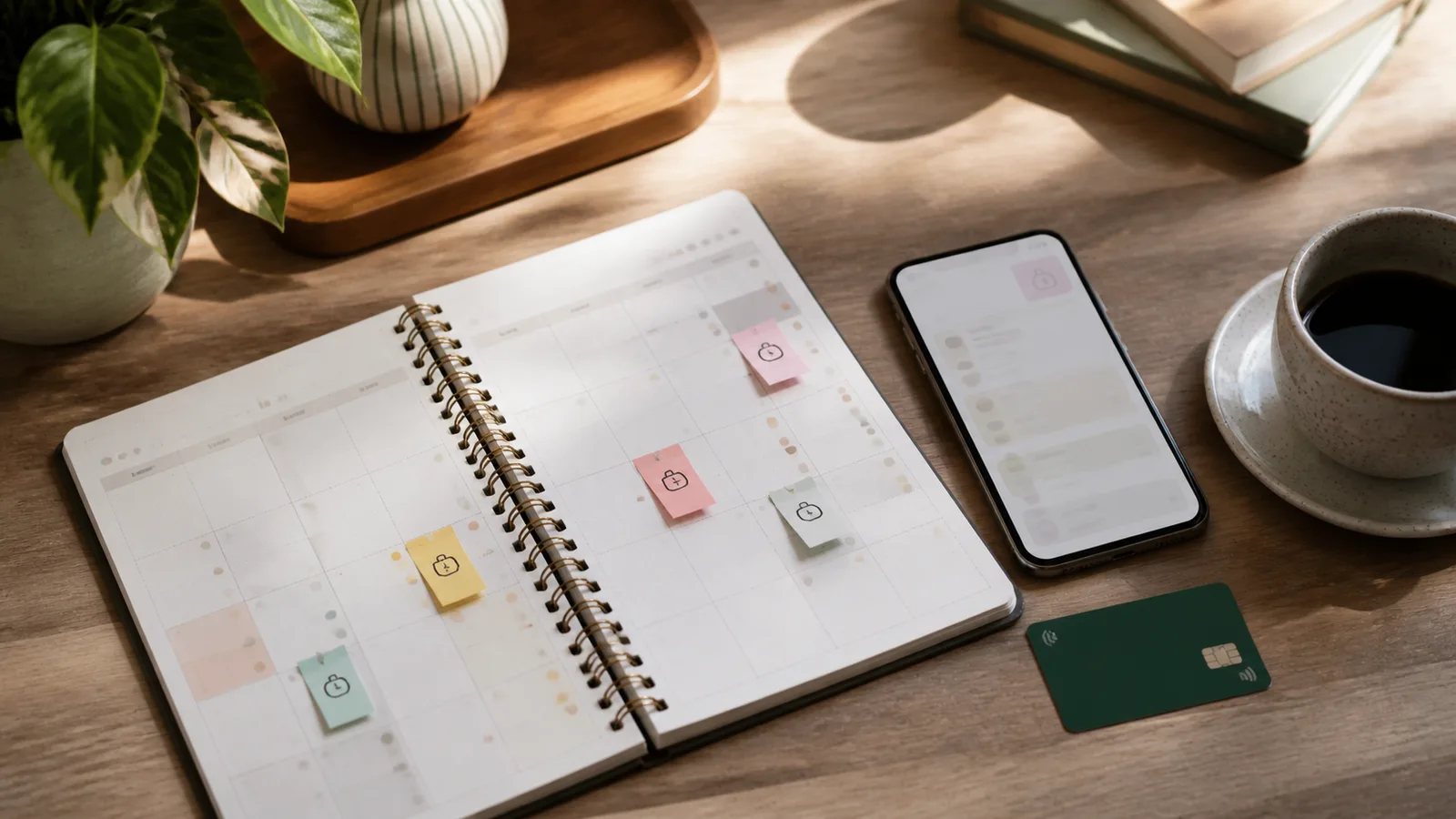
Buy now, pay later payments can get messy because they do not always arrive on the same schedule as rent, utilities, subscriptions, or credit cards. One payment may hit next week, another after payday, and another during a crowded part of the month.
Create a simple installment list with four details:
- Merchant or purchase name
- Total amount owed
- Payment amount and due dates
- Payment account used
Then place each payment into your normal budget as if it were a bill. Do this before spending the leftover money in that pay cycle. If you use Furt Money or another expense tracker, create a clear category or note so these payments do not disappear into general shopping.
The more visible the payments are, the less likely they are to surprise you.
Check for payment pileups before checkout
One buy now, pay later plan may fit. Three plans at the same time can become a cash-flow problem.
Before starting a new plan, look at the next 30 to 60 days and ask:
- Which installments are already scheduled?
- Which paychecks will cover them?
- What other bills land in the same week?
- Will groceries, transport, childcare, or medicine be squeezed?
- Is there a card payment or loan payment already due nearby?
The danger is not always the size of one installment. It is the pileup. A few small payments can combine into a tight week, especially when they hit the same checking account.
If the schedule looks crowded, wait, save first, or choose a cheaper option. A payment plan should solve timing, not create a new timing problem.
Build a monthly BNPL ceiling
Set a personal limit for how much of your monthly income can go toward buy now, pay later payments. The number should be boring and realistic. It should leave room for normal bills, savings, debt payments, and unplanned expenses.
You can set the ceiling in two ways:
- A fixed amount, such as “no more than this amount in active installments at one time”
- A category rule, such as “BNPL payments must fit inside my shopping, clothing, electronics, or household budget”
The category rule is often cleaner. If a jacket is a clothing purchase, the installments should come from the clothing budget. If a small appliance is a household purchase, it should come from the household budget. Splitting the payment should not create a new spending category with extra money in it.
When the category is used up, the answer is not “find another payment plan.” The answer is “wait until the category has room again.”
Use payment plans for planned purchases, not emotional relief
Installments are easiest to misuse when they offer relief from a feeling: stress, envy, boredom, urgency, or the fear of missing a sale. The checkout flow may make the purchase feel solved, but the future payments still need real money.
Try a short decision test:
- Did I want this before I saw the payment plan?
- Would I still buy it if the full price were shown first?
- Is this replacing something necessary, or adding another obligation?
- Have I checked my next two pay cycles?
- What will I delay or reduce to make room for it?
If you cannot answer those questions calmly, give the purchase 24 hours. That pause is especially useful for nonessential items, sale items, and upgrades.
Keep one payment account for clarity
Using multiple cards or accounts for installments can make tracking harder. Payments may pull from different places, and a missed transfer can create stress even when the total amount was affordable.
Whenever possible, choose one payment account for installment plans and make sure that account is checked during your weekly money review. Keep a small buffer in the account if payments can arrive before your next payday. If your payment account changes, update every active plan right away.
This is not about optimizing every detail. It is about reducing the number of places a payment can hide.
Review active plans once a week
A weekly review turns buy now, pay later from background noise into a visible part of your budget. It does not need to take long.
Use this quick routine:
- Open your list of active installment plans.
- Confirm the next payment date and payment account.
- Match upcoming payments against your current balance and next paycheck.
- Categorize any new BNPL transactions in your expense tracker.
- Remove completed plans so the list stays clean.
- Decide whether any new purchase should wait.
This is also a good moment to notice patterns. If most payment plans are for the same category, that category may need a clearer monthly limit. If plans keep appearing after stressful weeks, the issue may be emotional spending rather than math.
Know when to say no
A buy now, pay later option is worth skipping when it makes your budget less honest.
Say no, or at least wait, when:
- You already have several active plans.
- You need the payment plan because the full price feels unaffordable.
- The payments will overlap with a tight bill week.
- You are using it for groceries, essentials, or bills because cash is already short.
- You have not checked the total amount and dates.
- You are hoping future money will somehow feel easier.
The clearest sign is pressure. If the plan only works when everything goes perfectly, it is probably too fragile for real life.
The simple next step
List every active buy now, pay later payment in one place today. Write down the total owed, the next due date, and the category each purchase belongs to. Then decide whether your next paycheck already has enough room for those payments before you add anything new.
Splitting a purchase can be convenient. A good budget makes sure the split does not split your attention too.