If you are paid every two weeks, a few months can feel unusually roomy. Instead of two paychecks landing in the month, three arrive. That extra payday can be useful, but only if you give it a job before normal spending expands to meet it.
A three-paycheck month budget is a short plan for that third deposit. It helps you protect regular bills, choose one or two meaningful priorities, and avoid turning the extra check into a vague sense that there is “more money than usual.”
Confirm whether the paycheck is truly extra
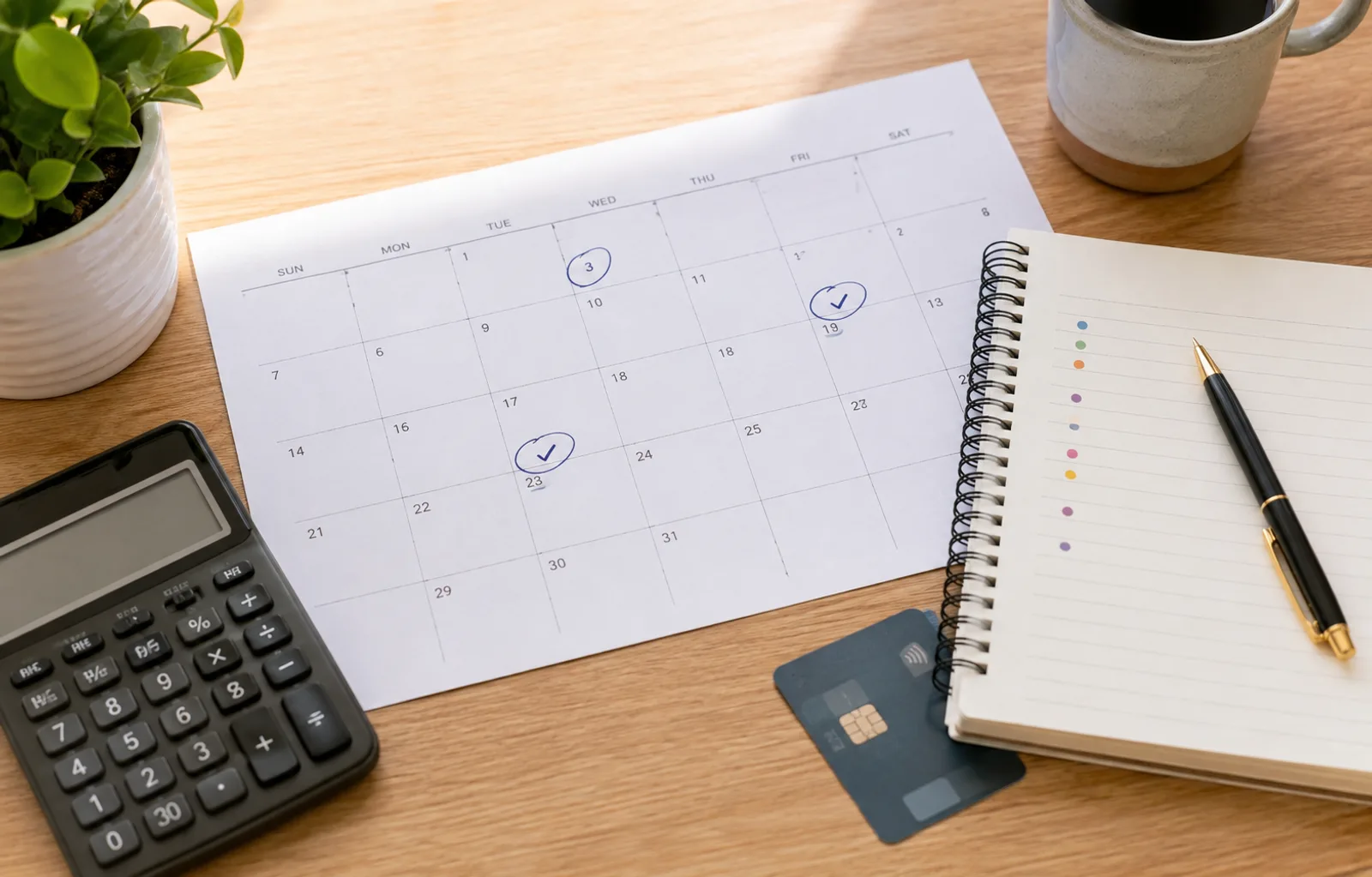
Start by checking your pay calendar and bill dates. A three-paycheck month is not always extra in the way it first appears. Sometimes the first paycheck arrives very early, the last one needs to cover rent or bills due in the first days of the next month, or an automatic payment shifts the timing.
Before making plans, write down:
- The dates of all three deposits
- The bills due between the first and second paycheck
- The bills due between the second and third paycheck
- Any early next-month bills the third paycheck must help cover
- Any annual, quarterly, or irregular cost already on the calendar
If the third paycheck is needed for basic cash flow, treat it as regular income. If your normal bills and essentials are already covered, then you can plan the extra amount more intentionally.
Keep the first two paychecks boring
The easiest way to use a three-paycheck month well is to keep the first two paychecks close to normal. Cover housing, utilities, groceries, transport, insurance, debt minimums, and other regular responsibilities the same way you usually would.
This keeps the month from becoming confusing. If you start upgrading every category early, the third paycheck may arrive already spent in your head. A better rule is: keep the regular routine stable first, then decide what the extra deposit should do.
If you track expenses in Furt Money, review the categories from your last few normal months. That can show which expenses are truly regular and which ones tend to drift when the account balance looks comfortable.
Pick one main win for the extra payday
An extra paycheck can support many goals, but splitting it into too many tiny pieces can make it feel like nothing changed. Choose one main win before you choose anything else.
Useful options include:
- Rebuilding a starter emergency fund
- Filling a sinking fund for car repairs, medical costs, travel, school, or holidays
- Paying down a credit card or loan beyond the minimum
- Catching up on a bill that has been slightly behind
- Creating a checking account buffer
- Saving for a move, deposit, appliance, or other known purchase
The right choice is the one that reduces future stress. If one unpaid bill creates late-fee risk, handle that before optional goals. If your cash flow is stable but savings are thin, a buffer or emergency fund may matter more than a small upgrade.
Do not forget irregular expenses
Three-paycheck months are especially useful for costs that do not fit neatly into a normal monthly budget. These are the expenses that feel predictable when you look at the year, but surprising when they land in one pay cycle.
Look ahead for:
- Insurance renewals
- Annual subscriptions
- School or activity fees
- Travel bookings
- Gifts and celebrations
- Car maintenance
- Home repairs
- Medical, dental, or pet appointments
If one of those costs is coming soon, the third paycheck can reduce the chance that you will use a credit card, drain emergency savings, or squeeze groceries later. Even setting aside part of the check can make the future bill easier to handle.
Give the money a simple split
If you want a balanced plan, use a three-part split: stability, progress, and enjoyment.
Stability protects cash flow. This might be a checking buffer, emergency savings, or a sinking fund for a known bill. Progress moves a goal forward, such as debt payoff, a savings target, or a planned purchase. Enjoyment gives you permission to use a small piece of the extra paycheck on something you value.
For example, you might send most of the extra check to an emergency fund, use a smaller part for debt, and keep a modest amount for a meal out or a home upgrade. The exact numbers are personal. The point is to decide the split before the money blends into everyday spending.
Watch for lifestyle creep during the month
A three-paycheck month can make small purchases feel harmless. A few extra deliveries, a larger grocery run, a new subscription, and an unplanned shopping order may each seem manageable. Together, they can absorb the whole advantage.
Use a temporary spending rule until the third paycheck has been assigned:
- Wait 24 hours before nonessential purchases.
- Keep dining out and shopping close to a normal month.
- Move planned savings soon after the paycheck arrives.
- Avoid starting new recurring subscriptions just because the month feels easier.
- Check category totals weekly instead of waiting for the end of the month.
You are not trying to make the month joyless. You are protecting the unusual income timing from disappearing through ordinary drift.
Plan the transfer before payday
The best time to plan the third paycheck is before it arrives. If you wait until the money is in your account, the balance can start making decisions for you.
Create a simple payday note:
“When the third paycheck lands, move 60 percent to emergency savings, 25 percent to the car repair fund, and keep 15 percent for flexible spending.”
You can use percentages, fixed amounts, or plain categories. What matters is that the next action is obvious. If the money is meant for savings, schedule or make the transfer quickly. If it is meant for debt, confirm that the payment will not leave you short before the next paycheck.
Use the month as a cash-flow reset
A three-paycheck month is not only about the extra deposit. It is a chance to make the next few months calmer.
Before the month ends, ask:
- Which category has been underfunded for a while?
- Which bill keeps arriving before there is enough cash ready?
- Which upcoming cost would hurt if it landed today?
- Which debt payment would reduce future pressure?
- Which small buffer would make payday less stressful?
The best use of the extra paycheck may be the one that makes ordinary months easier. A slightly larger buffer, a paid-off small balance, or a funded upcoming bill can change how the next pay cycle feels.
Make the extra payday count on purpose
A three-paycheck month can be a quiet advantage. It will not solve every money problem, but it can help you get ahead of one pressure point if you choose the target early.
Check whether the third paycheck is truly available, keep the first two paychecks boring, and give the extra deposit one main job. That small plan can turn a lucky calendar month into real progress you can still feel after the month is over.