Insurance renewals are easy to treat like background noise. A notice arrives, the premium looks familiar enough, and the payment goes through because you do not want a gap in coverage.
That convenience can be useful, but it can also hide changes. A premium may rise. A deductible may no longer fit your emergency savings. A car, home, pet, travel pattern, or household situation may have changed since the last policy period. Even if you keep the same provider, renewal season is a good time to make sure the policy still matches your life and your budget.
An insurance renewal checklist does not need to turn you into an expert. It simply gives you a calm way to review the parts that affect everyday cash flow before the bill renews.
Start before the renewal date
Do not wait until the payment is due. Give yourself a review window while there is still time to ask questions, compare options, adjust coverage, or move money into the right place.
A simple rule is to set two reminders:
- one reminder when the renewal notice usually arrives
- one reminder two or three weeks before the payment date
The first reminder is for reading. The second is for deciding. That gap matters because insurance choices can feel rushed when the bill is already pending.
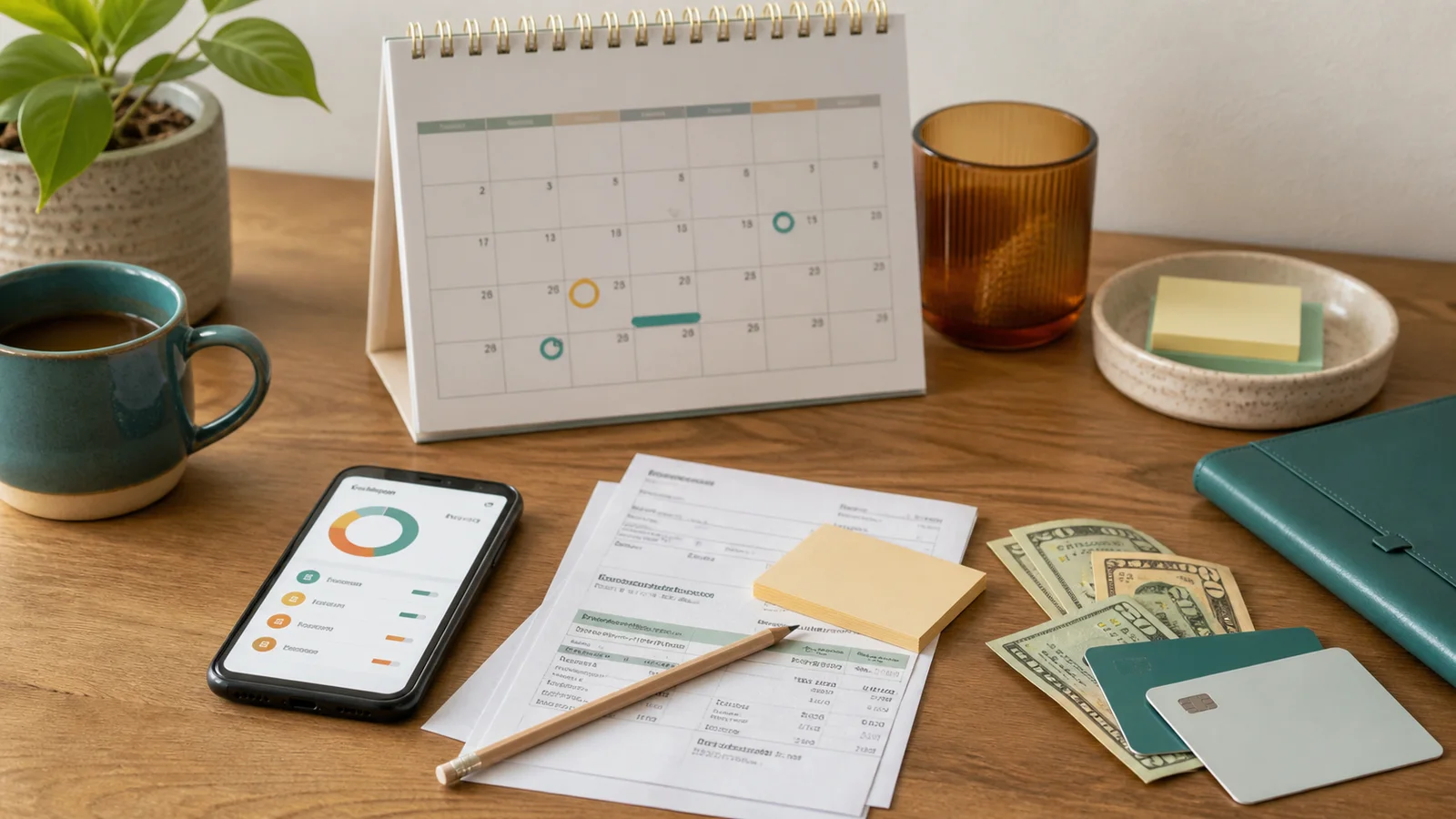
If you track bills in a calendar, add the policy name, renewal month, estimated amount, and payment account. If you track expenses in Furt Money, create or review an insurance category so the renewal does not disappear inside a broad shopping or household bucket.
Compare the new premium to your actual budget
The premium is the part most people notice first, but the useful question is not only “Did the price change?” It is “Can my budget absorb this payment without crowding essentials?”
Look at the renewal amount beside your normal month. Ask:
- Is this paid monthly, every six months, or annually?
- Does the payment land near rent, debt payments, school fees, travel, or other large costs?
- Did the amount change enough that a sinking fund should be adjusted?
- Would paying in a different frequency help cash flow, or would it create pressure elsewhere?
For annual or semiannual policies, divide the renewal amount by the number of months until the next payment. That monthly set-aside is the real budget cost, even if the bill arrives only once or twice a year.
If the policy renews automatically, check which card or account will be charged. A renewal can be affordable overall and still cause stress if it hits an account that is not ready.
Recheck deductibles and out-of-pocket risk
A lower premium can look attractive, but it may come with a higher deductible, excess, co-pay, or other out-of-pocket responsibility. A higher premium may reduce some of that risk, but it still needs to fit your monthly cash flow.
Before renewing, write down:
- the deductible or excess
- any co-pay or coinsurance wording that applies
- the maximum amount you might reasonably need to cover before help arrives
- whether your deductible fund or emergency fund could handle that amount
This is not about choosing the cheapest policy or the richest policy. It is about noticing the trade-off in plain numbers. If a deductible would force you into credit-card debt, that is useful information. If a lower deductible makes the monthly premium uncomfortable, that is useful too.
Use the review to decide whether your savings plan needs a small adjustment. Even a separate budget category called “insurance deductible” can make the risk easier to see.
Check whether your life changed
Insurance renewals are based on a snapshot of information. That snapshot can go stale.
Review what changed since the last policy period:
- a move, renovation, new lease, or change in household members
- a vehicle change, mileage change, parking change, or new driver
- new valuables, equipment, furniture, or work tools
- a pet’s age, health needs, or regular care pattern
- travel plans, remote work habits, or time away from home
- a major income change that affects how much risk you can comfortably carry
Some changes may mean you need different coverage. Some may mean you are paying for protection you no longer use. Some may simply require a conversation with the insurer or a licensed professional.
Avoid guessing. If the wording is unclear, ask the provider what the change means for your policy before you rely on it.
Look for coverage gaps and stale extras
Renewal reviews are not only about price. They are also about fit.
Read the policy summary and look for two types of mismatch.
First, check for gaps. Are the items, people, places, or activities you actually need covered? Are there limits that would surprise you during a claim? Are exclusions written in a way you understand?
Second, check for stale extras. You may have add-ons, riders, memberships, or optional features that made sense years ago but no longer match your life. Removing an extra is not always the right move, but paying for something you never review is not a plan either.
Keep notes in simple language. Instead of copying policy wording into your budget file, write what you need to remember: “bike coverage added,” “deductible is higher than emergency savings,” or “ask about home office equipment.”
Decide before autopay decides for you
Autopay is helpful when the policy is right and the account is ready. It is less helpful when it renews a decision you meant to revisit.
Before the payment date, choose one of four actions:
- Keep: the policy still fits, and the payment is planned.
- Clarify: you need an answer before the renewal feels comfortable.
- Compare: you want another quote or a second opinion before deciding.
- Adjust: you need to change coverage, payment timing, deductible, or budget category.
That small decision list keeps the review from becoming vague. You do not need to solve every insurance question in one sitting. You only need to know the next action before money leaves your account.
If you change providers or policies, keep proof that the old policy ended and the new one began. Avoid accidental gaps by confirming dates carefully.
Build a repeatable renewal folder
A renewal is easier the second time if you keep the right notes.
Save or organize:
- the current policy summary
- renewal notice and payment confirmation
- deductible and coverage notes
- provider contact details
- claim instructions
- questions you asked and answers you received
- the next renewal month
This can be a digital folder, a notes app, or a paper file. The tool matters less than having one place to look when the next notice arrives.
After the renewal is handled, update your budget. Adjust the insurance category, sinking fund target, or payment reminder so the next cycle starts cleaner.
Make renewal season less reactive
Insurance is meant to reduce financial shock, but the renewal itself should not become a surprise. A short checklist turns a passive bill into an active review.
Pick one policy that renews soon. Find the premium, deductible, payment date, and policy summary. Then decide whether to keep, clarify, compare, or adjust. That single review can make your next renewal feel like a planned expense instead of another automatic charge.